A Night to Remember: The Most Memorable Nightlife Experiences in Istanbul
When the sun sets over the Bosphorus, Istanbul doesn’t sleep-it transforms. The city’s nightlife isn’t just about drinking or dancing. It’s about floating on a private boat with live ney music, sipping raki under starlit domes, or dancing till dawn in a converted 19th-century tobacco warehouse. This isn’t the same nightlife you’ll find in Paris or Berlin. Istanbul’s after-dark scene is layered, unpredictable, and deeply rooted in history, culture, and local rhythm.
The Rooftop That Changes Everything
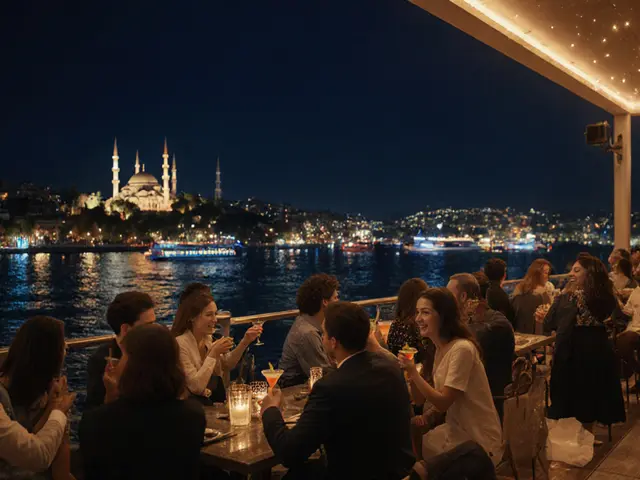
Start your night at Asmali Mescit in Beyoglu. Not because it’s the fanciest, but because it’s the most honest. The view stretches from the Galata Tower to the minarets of Sultanahmet. You’re not just looking at the city-you’re inside it. Locals sit on low cushions, smoking herbal tobacco from hookahs, while jazz or Turkish pop plays softly. The drinks are simple: raki with ice, a glass of ayran, or a bottle of local wine from Thrace. No mixologists in bowties. No $20 cocktails. Just good company and a skyline that feels like it’s breathing with you.
For something more elevated, head to 360 Istanbul on the 34th floor of the Swissôtel. The lighting is softer here, the music is curated, and the crowd leans toward tourists with budgets. But even here, the real magic happens when the call to prayer echoes from the Blue Mosque, and for a full minute, the music stops. Everyone turns toward the sound. No one speaks. It’s a moment you won’t find in any guidebook.
The Hidden Clubs That Don’t Appear on Google Maps
Most people think of Istanbul’s clubs as loud, crowded, and overpriced. They’re wrong. The real underground scene hides in plain sight. Reina is the name everyone knows-but the secret is in the back room. After midnight, the main floor empties. The bass drops lower. The lights go red. And that’s when the real crowd arrives: artists, musicians, writers from Ankara and Izmir, all here for one reason-to lose themselves in music that doesn’t follow Western patterns. The DJ doesn’t play EDM. He plays Anatolian folk samples mixed with deep house. The crowd doesn’t dance. They sway. Like they’re remembering something they’ve always known.
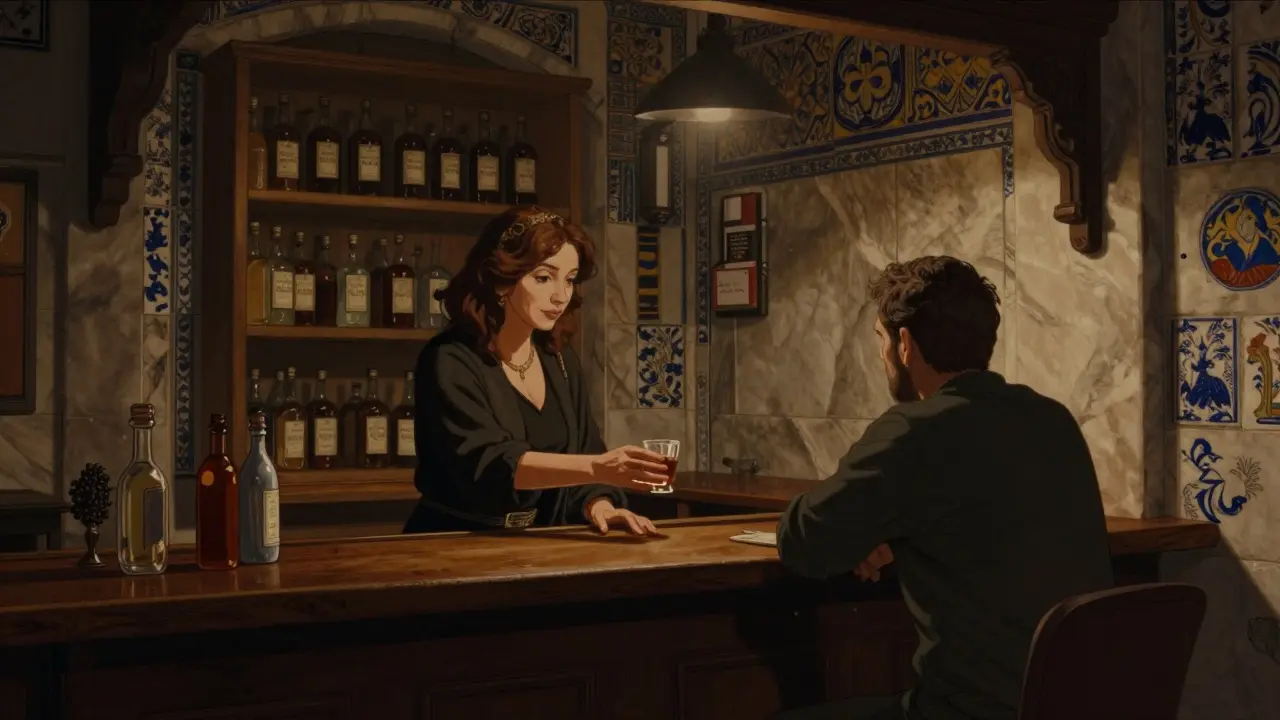
Then there’s Bar 1919, tucked inside a converted Ottoman bank in Cihangir. The walls are still covered in original marble. The ceiling has hand-painted tiles. The drinks? A single shot of mastika, a glass of local beer, or a cocktail made with quince syrup and black pepper. No neon signs. No bouncers. Just a woman behind the bar who asks, “What kind of night are you looking for?” and serves you what you didn’t know you needed.
Boat Parties on the Bosphorus
Forget the tourist cruises with loud speakers and cheap champagne. The real Bosphorus nightlife happens on boats that don’t advertise. You find them through word of mouth. A friend texts you: “Meet at Kadıköy pier at 11. Bring a jacket.”
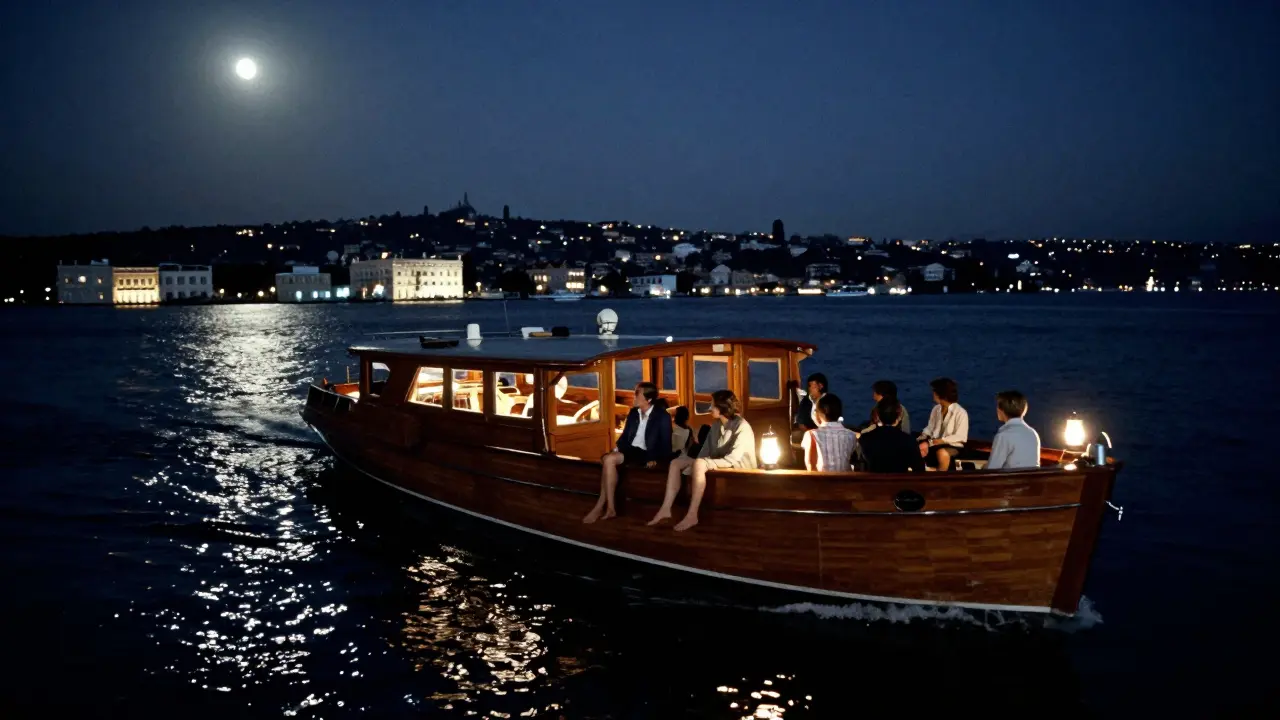
There, you board a 40-foot wooden yacht called Yalı. The captain doesn’t speak English. He plays a playlist of 1970s Turkish rock-Selda, Barış Manço, Cem Karaca-while the boat glides past illuminated palaces and fishing villages. No one dances. No one takes photos. People just sit on the deck, legs dangling over the water, listening to the lapping waves and the distant sound of a duduk. Someone passes around dried apricots and walnuts. Someone else lights a cigarette. The moon reflects on the water like broken glass.
These boats don’t have licenses. They don’t take reservations. You show up, you pay 150 Turkish lira (about $5), and you stay until the tide turns. That’s the rule.
The Street Food That Keeps You Going
Between clubs and boats, you’ll need food. Not just any food-street food that’s been perfected over decades. In Kadıköy, head to Çiya Sofrası at 2 a.m. The owner, Mehmet, serves dishes you won’t find anywhere else: lamb neck stew with pomegranate molasses, grilled quail with sumac, and stuffed mackerel wrapped in vine leaves. He doesn’t have a menu. He asks, “What do you feel like tonight?” and brings you what’s fresh.
Or try İskender Kebap at a tiny stall in Ortaköy. The owner, a man in his 60s with a silver mustache, layers thinly sliced lamb over toasted bread, then pours hot tomato sauce and melted butter over it. He doesn’t say a word. He just hands it to you. You eat it standing up, juice dripping down your wrist. No napkins. No forks. Just your fingers and the night.
The Karaoke Bars That Sing Your Soul
Most travelers skip karaoke. They think it’s cheesy. They haven’t been to Alaturka Karaoke in Nişantaşı. This isn’t a bar with a mic and a screen. It’s a living room where strangers become family. You pick a song-Turkish pop, Arabic ballad, or even a 1980s Turkish disco hit. You don’t need to sing well. You just need to feel it.
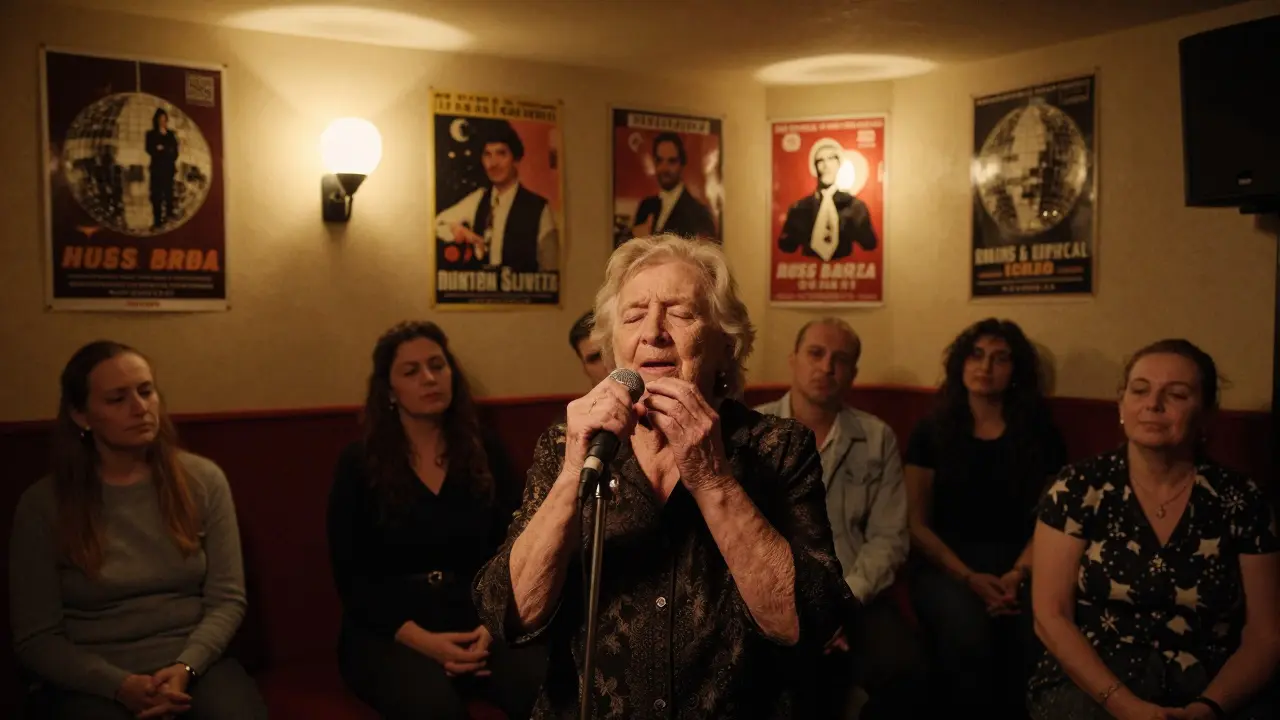
One night, a 70-year-old grandmother sang “Gülümse” by Sezen Aksu. Her voice cracked. Her hands shook. But the room fell silent. No one clapped. No one cheered. Everyone just sat there, eyes closed, remembering their own mothers, their own childhoods. When she finished, she smiled. No one said anything. But everyone knew.
Why Istanbul’s Nightlife Feels Different
It’s not the music. It’s not the view. It’s the rhythm. Istanbul doesn’t rush. Even in its most energetic moments, there’s a pause. A breath. A moment where the city lets you catch up. You’re not chasing a vibe-you’re invited into it.
There’s no dress code. No cover charge at most places. No one checks your ID unless you look 16. The bartenders remember your name. The waiters know if you like your coffee strong or sweet. The music changes depending on who’s in the room. And when you leave at 5 a.m., the streets are still alive-with street vendors frying gözleme, old men playing backgammon, and the scent of fresh bread drifting from the bakeries.
This isn’t nightlife as a product. It’s nightlife as a ritual. And if you’re lucky, you’ll leave not just tired-but changed.
What’s the best time to experience Istanbul nightlife?
The real nightlife starts after midnight and peaks between 2 a.m. and 4 a.m. Most clubs and bars don’t fill up until after 1 a.m. If you arrive at 9 p.m., you’ll be one of the few people there. Wait until the locals show up. That’s when the energy shifts.
Is Istanbul nightlife safe for solo travelers?
Yes, especially in neighborhoods like Beyoğlu, Karaköy, and Kadıköy. The streets are well-lit, and locals are protective of visitors. Avoid isolated alleys after 3 a.m., but main streets and popular venues are perfectly safe. Women traveling alone report feeling respected and rarely harassed. Trust your gut, but don’t let fear keep you from experiencing it.
Do I need to speak Turkish to enjoy Istanbul’s nightlife?
No, but a few words help. Saying “teşekkür ederim” (thank you) or “lütfen” (please) opens doors. Many bartenders and club staff speak English, but the real moments happen when you don’t rely on translation. A smile, a nod, or pointing at what someone else is drinking can lead to the best experiences.
What’s the average cost of a night out in Istanbul?
You can have a full night out for under 500 Turkish lira ($16). A drink at a rooftop bar costs 100-150 lira. A boat ride on the Bosphorus is 150 lira. Street food is 30-60 lira. Clubs often have no cover charge. Even the fanciest places don’t charge more than 200 lira for a cocktail. Compared to London or New York, Istanbul is incredibly affordable.
Are there any places I should avoid at night?
Avoid the areas around Taksim Square after 3 a.m. on weekends-crowds get rowdy, and pickpockets are more common. Also, skip the “tourist clubs” in Ortaköy that charge 500 lira just to walk in. They’re loud, overpriced, and not authentic. Stick to places locals go: Cihangir, Beyoğlu’s side streets, Kadıköy’s back alleys. If it looks too polished, it’s probably not the real thing.