Best Dance Spots for Salsa and Latin Nightlife in Paris
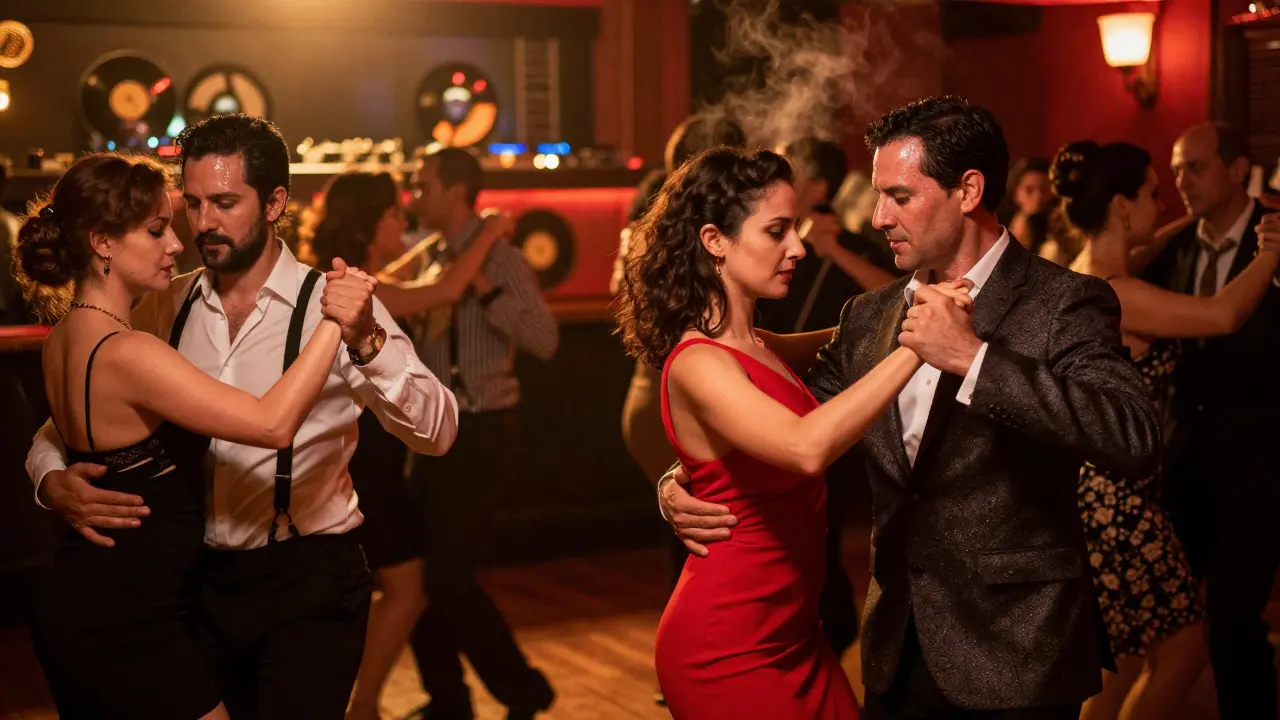
Paris isn’t just about croissants and the Eiffel Tower. By 10 p.m., when the city lights glow gold and the air hums with bass, you’ll find crowds spilling out of dimly lit basements, swirling in red dresses and sharp suits, feet moving like they’ve been trained by generations of Cuban abuelas. This isn’t a tourist trick. This is real. Real salsa. Real rumba. Real Latin nights that don’t feel like a theme park version of Havana or Bogotá.
Where the Rhythm Lives After Midnight
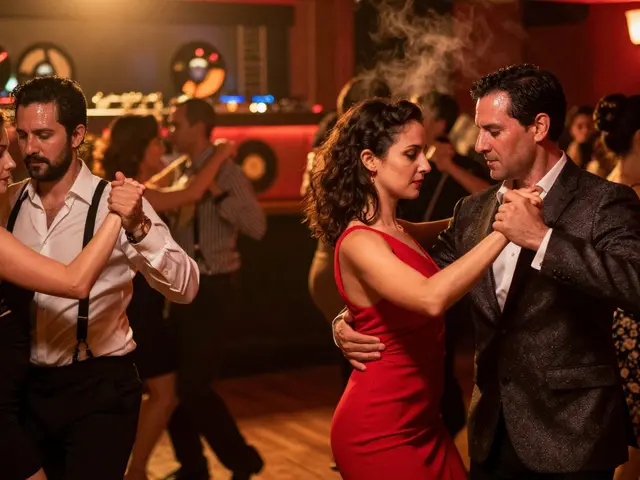
Most people think Paris is too quiet for dancing. They’ve never been to La Cigale on a Thursday. That’s when the crowd shifts from jazz lovers to salsa fiends. The floor opens up after 11, and by midnight, it’s packed. No tourists here-just locals who’ve been coming for years. The DJ spins classic Cuban son mixed with modern Colombian vallenato. The music doesn’t shout. It pulls you in. And once you’re on the floor, you don’t want to leave.
At La Cigale, the staff don’t hand out flyers. They don’t need to. Word spreads through dance studios, language exchanges, and late-night cafés. You’ll see teachers from Ecole de Salsa Paris dancing with students who’ve been taking lessons for six months. You’ll see couples who met here five years ago and still show up every week. This isn’t a club. It’s a community.
Le Trabendo: The Underground Heartbeat
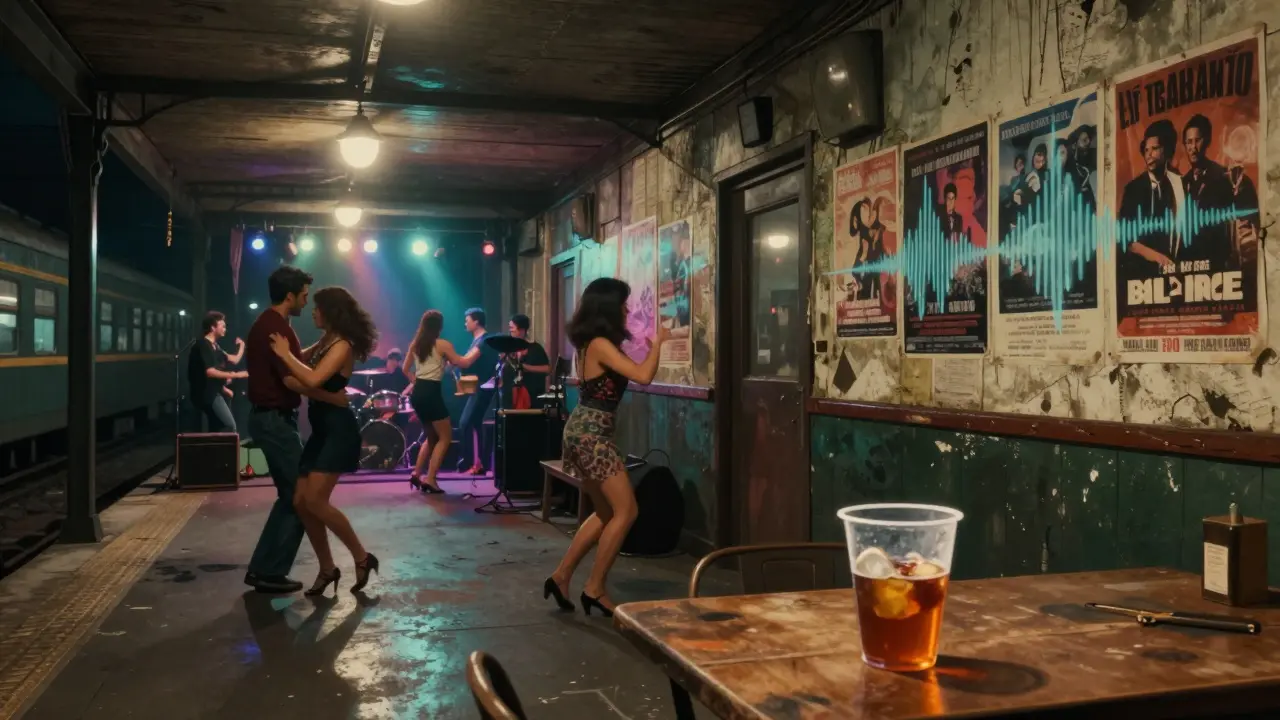
Head to the 19th arrondissement, and you’ll find Le Trabendo. It’s not fancy. No velvet ropes. No dress codes. Just a converted train station with sticky floors, low ceilings, and a sound system that makes your ribs vibrate. This is where the rawest Latin nights in Paris happen.
Every Friday, Bolero Nights takes over. The DJ plays nothing but 1970s salsa dura-Fania All-Stars, Willie Colón, Héctor Lavoe. The dancers? They’re not here to show off. They’re here to feel. You’ll see women in heels spinning under low lights, men stepping in perfect sync, no one holding back. It’s messy. It’s loud. It’s perfect.
There’s no cover charge before 11 p.m. After that, it’s €8. Cash only. The bar serves rum cocktails in plastic cups. No one cares. You’re not here for the drinks. You’re here because this is the only place in Paris where the music doesn’t stop until 4 a.m.
La Maroquinerie: Where Salsa Meets Sophistication
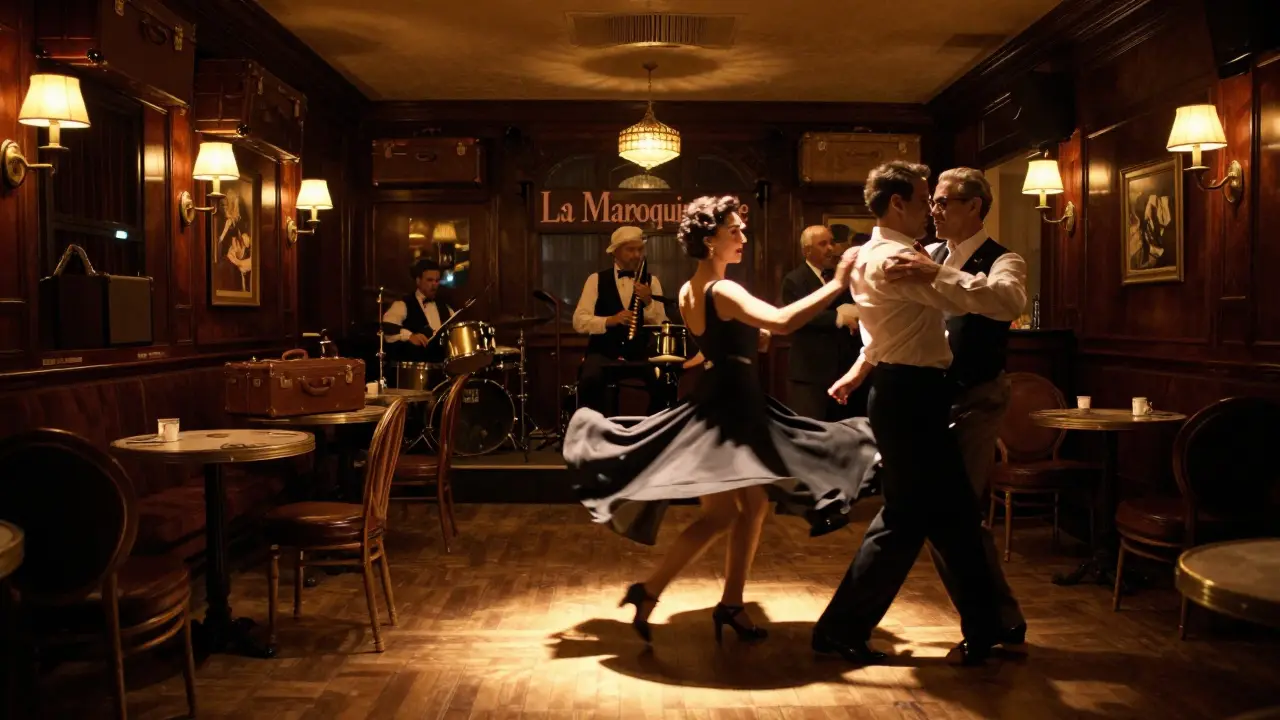
If you want to dance in a place that looks like a 1920s speakeasy but sounds like a Havana nightclub, La Maroquinerie is your spot. Tucked under the Gare du Nord, it’s hidden behind a nondescript door. Inside, brass lamps hang from wooden beams. The walls are lined with vintage leather suitcases. And every Saturday night, the dance floor becomes a living archive of Latin rhythm.
The crowd here is older-mid-30s to 50s. Professionals, artists, ex-pats who’ve lived in Mexico City or Caracas. They come for the live band, Salsa Caribe, which plays every other weekend. The musicians are all Cuban or Colombian. The trumpet player has played with Celia Cruz. The conga drummer taught at the Conservatoire de Paris.
They don’t play remixes. They don’t play pop. They play the real stuff. And if you’re lucky, someone will ask you to dance. No one cares if you’re new. They’ll lead you gently. You’ll learn more in one night here than in ten online tutorials.
La Bellevilloise: The Wild Card
Don’t expect polished moves at La Bellevilloise. This place is for people who don’t care about technique. It’s for people who just want to move. Every second Thursday, they host Latin Fever-a night of bachata, merengue, and salsa mixed with reggaeton beats.
The crowd is young. Students from Sorbonne University, backpackers from Brazil, French kids who discovered reggaeton on TikTok. The lighting is strobing. The music is loud. The drinks are cheap. You’ll see people dancing in hoodies. You’ll see someone spinning their partner under a table. It’s chaotic. It’s joyful.
This isn’t the place to learn the basics. But if you’ve been dancing for a while and want to feel free? This is it. No judgment. No rules. Just sweat, music, and laughter.
What to Wear and When to Show Up
You don’t need designer shoes. You don’t need to look like a telenovela star. But you do need to dress for movement. Women wear flats or low heels-no stilettos. Men wear lightweight shirts, not ties. Cotton is better than silk. You’ll be sweating.
Arrive early. Not because you’re afraid of crowds. Because the best dancing happens when the room fills up slowly. At La Cigale, 10:30 p.m. is perfect. At Le Trabendo, wait until 11. At La Maroquinerie, come at 9:30 for the live set. If you show up after midnight, you’ll be stuck at the bar.
Bring cash. Most places don’t take cards after 11 p.m. And bring a light jacket. The basements are cold, even in summer.
Where to Learn Before You Go
If you’ve never danced salsa before, don’t just show up at La Trabendo and hope for the best. Paris has dozens of studios, but only a few that actually teach the style you’ll hear on the dance floor.
- Ecole de Salsa Paris teaches New York-style salsa-clean lines, sharp turns. Perfect for La Cigale and La Maroquinerie.
- Casa de la Salsa focuses on Cuban-style (Casino). They run open classes every Wednesday. Great for Le Trabendo.
- Salsa en Paris offers beginner nights with free entry if you take a class that day. They’re the only studio that lets you dance with locals before the club opens.
Try a class before your first night out. You’ll feel less nervous. And you’ll actually enjoy the music instead of worrying about stepping on someone’s toes.
Why This Matters
Paris doesn’t have a Latin quarter. Not like New York or Miami. But it has something better: authenticity. These clubs aren’t trying to be Cuba. They’re not trying to be Bogotá. They’re trying to be Paris. And that means the music is raw. The dancers are real. The nights are long.
There’s no tour bus that takes you here. No Instagram influencer posted a photo from La Bellevilloise last week. You won’t find it in the tourist brochures. You have to find it yourself. And when you do? You’ll realize why people come back year after year-not for the drinks, not for the lights, but for the rhythm that doesn’t care where you’re from.
Is salsa dancing popular in Paris?
Yes, but not in the way you might expect. There’s no big Latin district, but dozens of dedicated clubs, studios, and weekly events. Salsa has been growing since the 1990s, fueled by Cuban and Colombian immigrants and French dancers who traveled to New York and Miami. Today, over 20,000 people regularly dance salsa in Paris, with weekly classes at 15+ studios and packed clubs every weekend.
Can I dance salsa in Paris if I don’t speak French?
Absolutely. The dance floor doesn’t need words. Most regulars at clubs like La Cigale and Le Trabendo speak English, Spanish, or both. Instructors at studios like Ecole de Salsa Paris teach in English. You’ll pick up phrases fast-“un paso,” “vamos,” “más fuerte”-but you won’t need them. The music tells you everything.
What’s the best night for salsa in Paris?
Thursday at La Cigale, Friday at Le Trabendo, Saturday at La Maroquinerie. Each night has a different vibe. Thursday is the most balanced-good mix of beginners and experts. Friday is the wildest. Saturday is the most polished. If you only have one night, go to La Cigale. It’s the most welcoming for newcomers.
Are there any free salsa events in Paris?
Yes. Every Sunday afternoon, there’s an open-air dance in Parc de la Villette called “Salsa en Plein Air.” It’s free, family-friendly, and runs from May to October. In winter, some studios host free “open floor” nights for students. Check Salsa en Paris or Ecole de Salsa Paris’s websites for updates.
Is it safe to go out for Latin nightlife in Paris?
Yes, but like any big city, stay aware. The clubs mentioned are in safe neighborhoods. Le Trabendo is in the 19th, which is residential and quiet after midnight. La Maroquinerie is under Gare du Nord, which is busy but well-lit and patrolled. Avoid walking alone late at night in unfamiliar areas. Stick to the main streets. Most dancers take the metro together after closing. It’s common to leave in groups.
Next Steps
If you’re visiting Paris next month, plan your night around a club night. Book a class the day before. Wear something comfortable. Arrive early. Dance like no one’s watching-even if everyone is.
If you’re already in Paris and haven’t danced yet? Don’t wait. The music isn’t going anywhere. And neither are the people who’ve been waiting for you to show up.