Best Nightlife in London for Culture Lovers
London’s nightlife isn’t just about clubs and cocktails-it’s a living archive of art, music, and storytelling.
If you love theatre, jazz, poetry, or underground film, London’s after-dark scene offers more than just noise. It’s where history meets innovation, and every alleyway could lead to a hidden gallery, a secret jazz den, or a spoken word night that changes how you see the world. This isn’t the kind of nightlife you find in guidebooks-it’s the kind you discover by walking slowly, listening closely, and saying yes to the unexpected.
Where the Stage Doesn’t End at Curtain Call
West End theatres don’t close when the lights dim. Many post-show gatherings happen within walking distance, turning audiences into impromptu communities. After a performance of Hamlet at the Old Vic, head to The Groucho Club on Soho’s Dean Street. It’s been a haunt for actors, writers, and directors since 1985. No velvet ropes, no dress code-just real conversation over whiskey and late-night snacks. The staff know the cast by name. The walls are covered in signed playbills and Polaroids from opening nights decades ago.
At the National Theatre, the bar on the South Bank opens until 1 a.m. on performance nights. Grab a glass of English sparkling wine and strike up a conversation with someone who just saw a new play by debuting playwrights. Many of these shows never make it to Broadway-they live here, in this city, in real time.
Live Music That Feels Like a Secret
London doesn’t need another EDM club. It has places where music is made, not just played. In Peckham, The Windmill hosts experimental gigs that start at 9 p.m. and end when the last person leaves. Bands here aren’t signed to labels-they’re neighbors, students, artists who turned their garage into a stage. You might hear a 17-year-old from Lagos blending Afrobeat with noise rock, followed by a poet reciting over a loop pedal.
Down in Brixton, The Jazz Café still books legends like Courtney Pine and emerging voices from the UK’s Black British jazz revival. The room is small, the sound is warm, and the crowd doesn’t scroll through their phones. They lean in. You’ll hear the difference between a note played and a note felt.
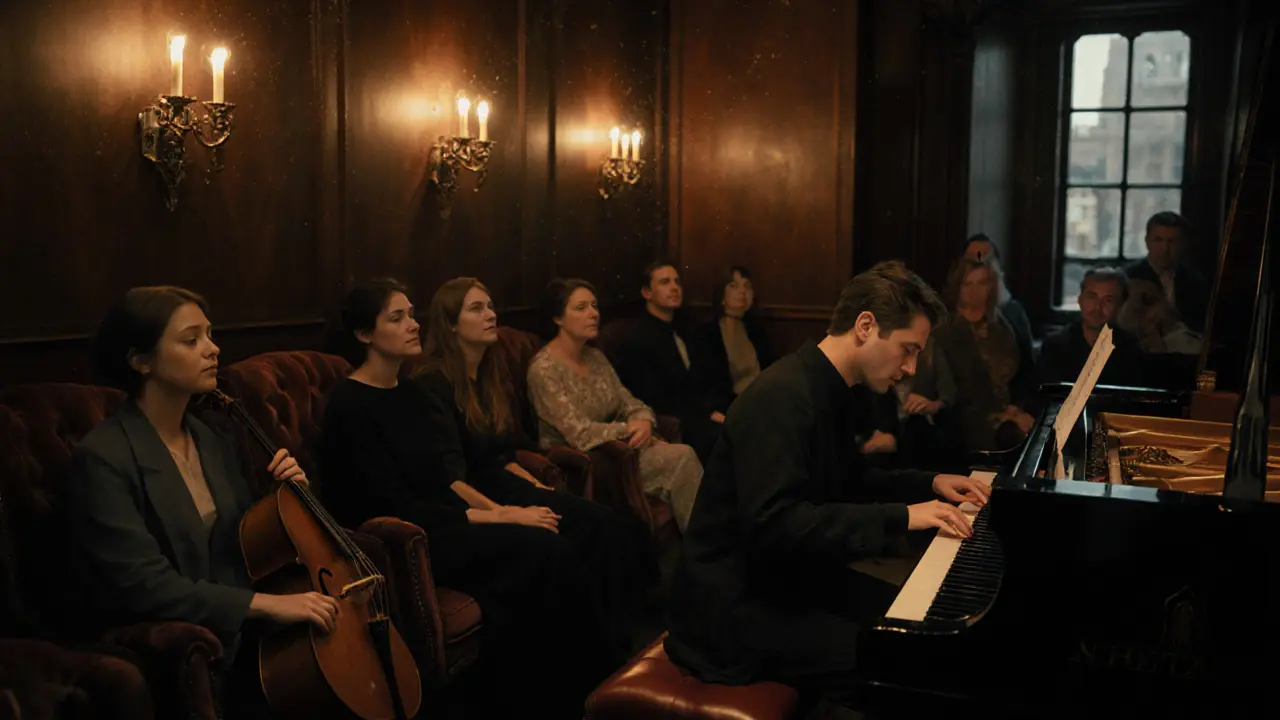
For something quieter, try The Pheasantry in Chelsea. Once a 19th-century gentleman’s club, it now hosts intimate acoustic sets in its candlelit upstairs room. No stage, no mic-just a piano, a cello, and 30 people sitting on velvet chairs. Tickets sell out weeks in advance. You don’t book for the artist-you book for the moment.
Books, Bars, and Late-Night Literary Sparks
London’s literary scene doesn’t sleep. In Camden, The Word on the Water-a floating bookshop on the Regent’s Canal-hosts poetry readings every Thursday night. The crowd? Writers from Hackney, students from UCL, retirees who still carry a notebook. The owner, a former BBC producer, reads aloud from unpublished manuscripts. You might leave with a poem in your pocket and a new friend who writes about mental health in Bengali.
At The Lamb in Bloomsbury, you can order a pint and find a copy of London: The Biography on the shelf behind the bar. Every Wednesday, they host First Draft, an open mic for unpublished fiction. No prizes, no judging-just voices reading aloud to strangers who care enough to listen. One regular, a retired librarian, has read from her novel-in-progress for seven years. No one’s published it yet. But everyone in the room remembers the line about the rain on Hampstead Heath.
Art Galleries That Stay Open Late
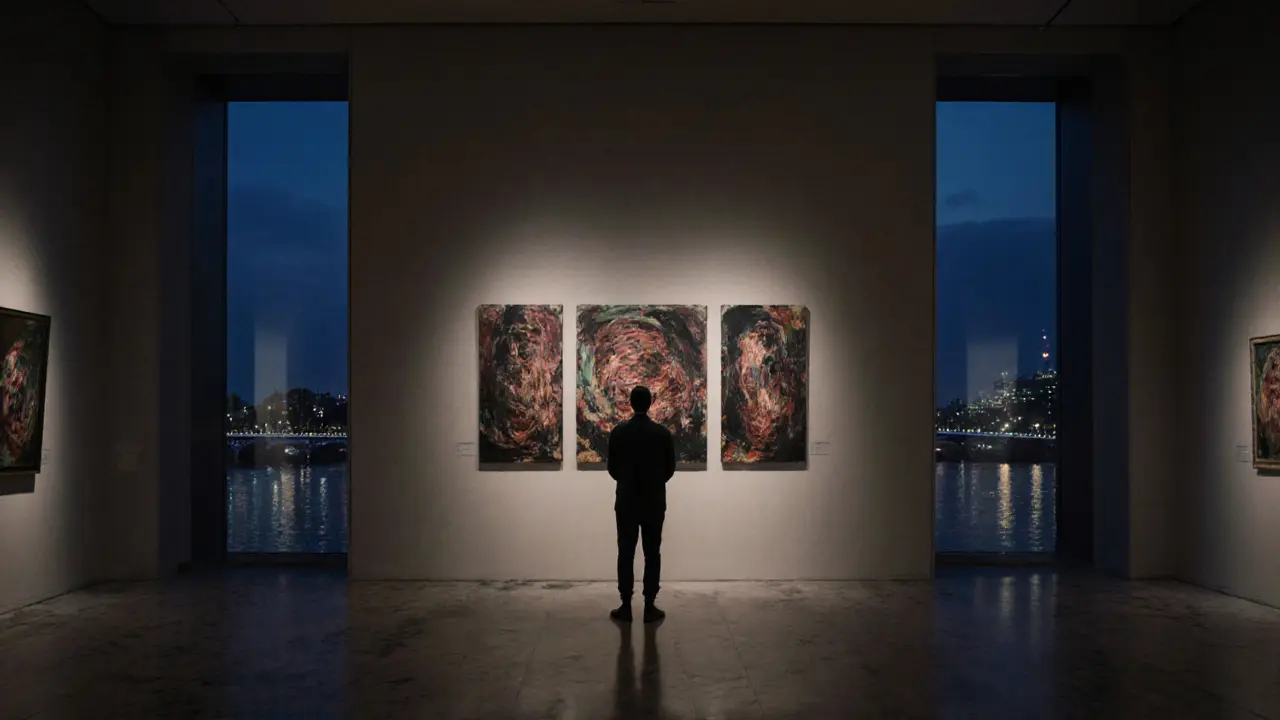
Most museums close at 5 p.m. But London’s major galleries have nights where the art breathes differently. The Tate Modern opens until midnight on Fridays. The crowds thin out after 9 p.m., and the lights shift. You can stand in front of a Bacon triptych without jostling for space. The sound of footsteps echoes. You notice details you missed during the day-the brushstrokes, the shadows, the silence.
At the Whitechapel Gallery, Friday nights include film screenings of experimental documentaries followed by talks with the directors. No tickets needed. Just show up. One night last year, a 92-year-old artist from Nigeria sat in the front row and answered questions for 45 minutes. People cried. No one left early.
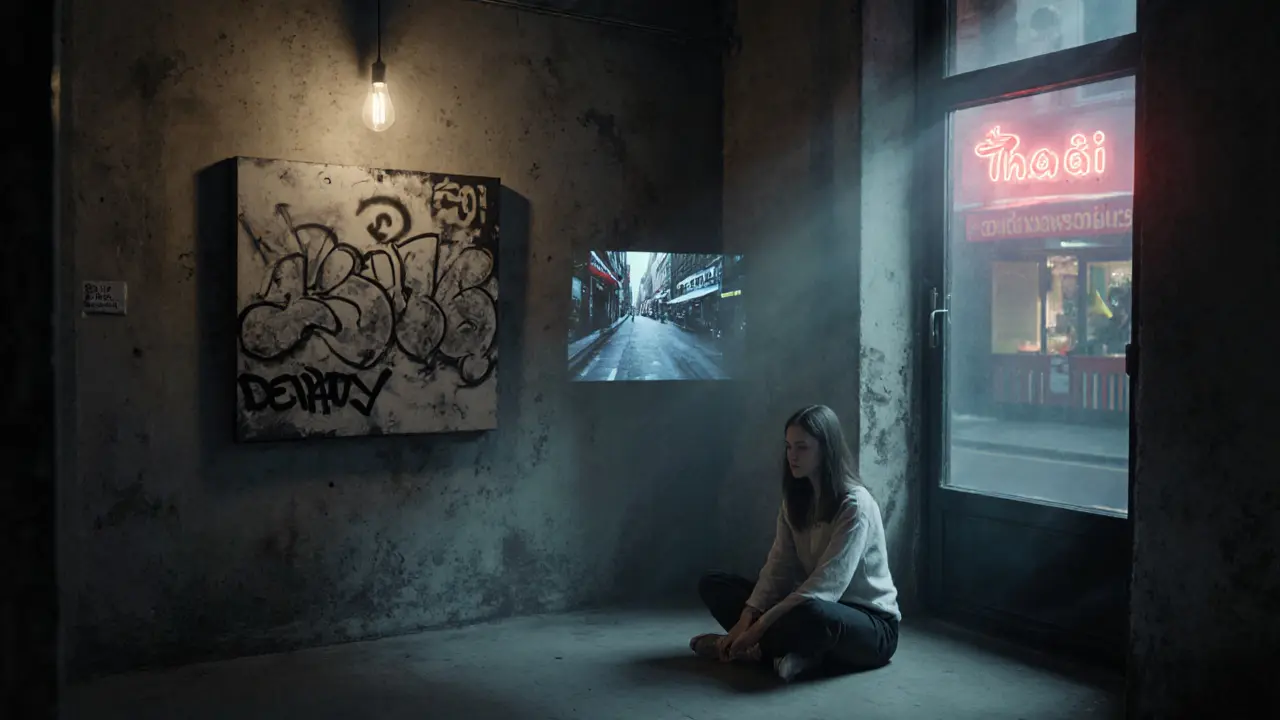
For something smaller, try The Approach in East London. It’s a tiny gallery above a Thai restaurant. No sign on the door. Just a flickering bulb. They open until 1 a.m. on the first Friday of every month. The shows are raw-graffiti on canvas, audio installations made from street recordings, video art shot on a phone. You’ll leave wondering why you ever thought art had to be framed and hung on white walls.
Hidden Bars with a Story Behind Every Drink
Forget cocktail menus with names like "Midnight in Marrakech." London’s best bars tell stories through ingredients and rituals. At The Connaught’s Coburg Bar, the bartender asks you three questions before making your drink: What’s your favorite memory? What do you want to forget? What do you wish you’d said? Then he crafts something you’ve never tasted-and it’s always right.
At Nightjar, tucked away behind a bookshelf in Shoreditch, the menu changes monthly based on historical themes. Last month, it was "London in 1947." You drank a gin cocktail made with foraged elderflower and smoked salt, served in a glass that once belonged to a WWII pilot. The barman told you the story as he poured.
And then there’s The Blind Pig in Soho. No name on the door. You text a number for the code. Inside, it’s a 1920s speakeasy with jazz on vinyl and a wall of handwritten letters from patrons over the last 30 years. One reads: "Came here after my wife died. The bartender didn’t say a word. Just gave me a bourbon and a napkin. I came back every week for a year. Still do."
What Makes London’s Cultural Nightlife Different?
It’s not the number of venues. It’s the depth. In New York, you go out to be seen. In Berlin, you go out to lose yourself. In London, you go out to connect-to the past, to the person beside you, to the art that doesn’t fit neatly into a category.
This city doesn’t market its culture. It lives it. You won’t find branded pop-ups or influencer nights. You’ll find a poet reading in a basement beneath a laundromat in Peckham. A violinist playing Bach outside the British Museum at 11 p.m. A group of pensioners debating the meaning of a Dalí painting in a pub in Hackney.
There’s no VIP list. No cover charge for authenticity. Just curiosity. And the willingness to show up, even when you’re tired.
Where to Start: A Simple Night Out for the Culturally Curious
Here’s how to spend one night in London without a plan:
- Start at 7 p.m. with a play at the Donmar Warehouse-small, intimate, often groundbreaking.
- Walk 10 minutes to The Groucho Club. Order a whiskey. Listen to the conversation around you.
- At 11 p.m., head to The Jazz Café in Brixton. Don’t check the lineup. Just go in.
- After the set, wander to The Word on the Water. Grab a coffee. Read a poem aloud if you feel like it.
- End at The Approach gallery. Sit on the floor. Watch the art in silence.
You won’t take selfies. You won’t post about it. But you’ll remember it for years.
Why This Matters
Culture isn’t something you consume. It’s something you participate in. London’s nightlife gives you that chance-quietly, honestly, without fanfare. You don’t need to be an expert. You just need to be present.
Next time you’re here, skip the tourist bars. Skip the clubs with neon signs. Find the place where the lights are low, the music is live, and the people aren’t waiting for the next thing.
That’s where the real London lives.
Is London nightlife safe for solo visitors interested in cultural spots?
Yes, most cultural nightlife spots in London are safe and welcoming for solo visitors. Areas like Soho, Brixton, Camden, and Shoreditch have high foot traffic even late at night, especially on event nights. Venues like The Jazz Café, The Word on the Water, and The Groucho Club are known for their inclusive, low-key atmospheres. Stick to well-lit streets, avoid isolated alleyways, and trust your instincts-most venues have staff who look out for guests. Public transport runs until around 1 a.m. on weekends, and night buses connect major areas.
Do I need to book tickets in advance for cultural nightlife events?
It depends. Major theatres and jazz venues like the National Theatre or The Jazz Café require advance booking, especially for weekend shows. But many cultural spots-like The Approach gallery, The Windmill, or poetry nights at The Word on the Water-are walk-in only. Always check the venue’s website the day before. Some events have limited capacity and fill up fast, but others thrive on spontaneity. If you’re flexible, you’ll find more authentic experiences without a reservation.
Are there affordable options for culture lovers on a budget?
Absolutely. Many cultural events are free or low-cost. The Tate Modern offers free entry to its main galleries and hosts free Friday night film screenings. The Southbank Centre’s Royal Festival Hall often has free concerts and readings. Poetry nights at The Word on the Water are donation-based. Bars like The Pheasantry charge £5 for entry but include live music. Even in Soho, you can find pubs with live acoustic sets for under £10. The key is to look beyond the big names-some of the best experiences cost nothing but your time.
What’s the best time of year to experience London’s cultural nightlife?
Autumn and spring are ideal. Summer brings festivals like the London Jazz Festival and the Southbank Centre’s Unlimited program, but crowds are thick. Winter is quieter, which means more space to absorb art and conversation. January and February are quiet months-perfect for discovering hidden spots without the rush. Many venues release their winter lineups in November, so check ahead. October and May are sweet spots: cool weather, fewer tourists, and packed calendars of new performances.
Can I find English-language events if I’m not a native speaker?
Yes, most cultural nightlife events in London are conducted in English, even if the performers are international. Poetry readings, jazz gigs, and gallery talks are usually in English, and audiences are used to diversity. Some venues, like The Word on the Water, celebrate multilingual art-but the events are still accessible. Don’t worry about language barriers; the emotion of the art speaks louder than words. Many locals will help if you’re unsure. Just ask.