Discover the Best Nightlife in Milan: A Comprehensive Guide
When the sun goes down in Milan, the city doesn’t sleep-it switches modes. Forget what you think you know about Italian nights. Milan’s nightlife isn’t just about wine and pasta dinners. It’s a layered, electric mix of hidden speakeasies, rooftop lounges, underground techno basements, and designer-clad crowds dancing until dawn. This isn’t Rome’s slow-paced aperitivo culture or Venice’s romantic gondola serenades. Milan moves fast, looks sharp, and knows how to turn a night out into an experience.
Where the Locals Go After Work
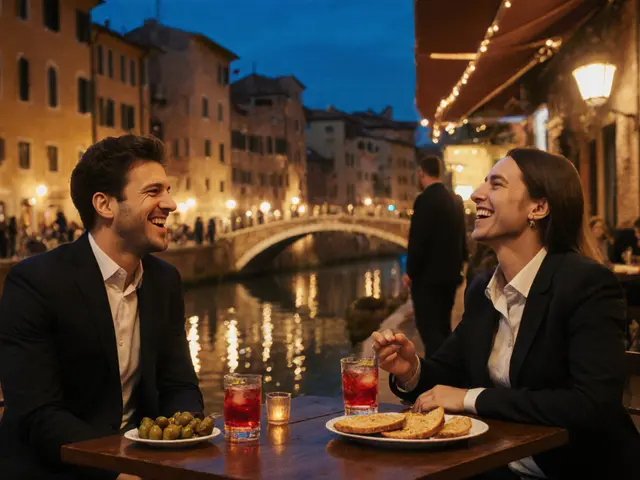
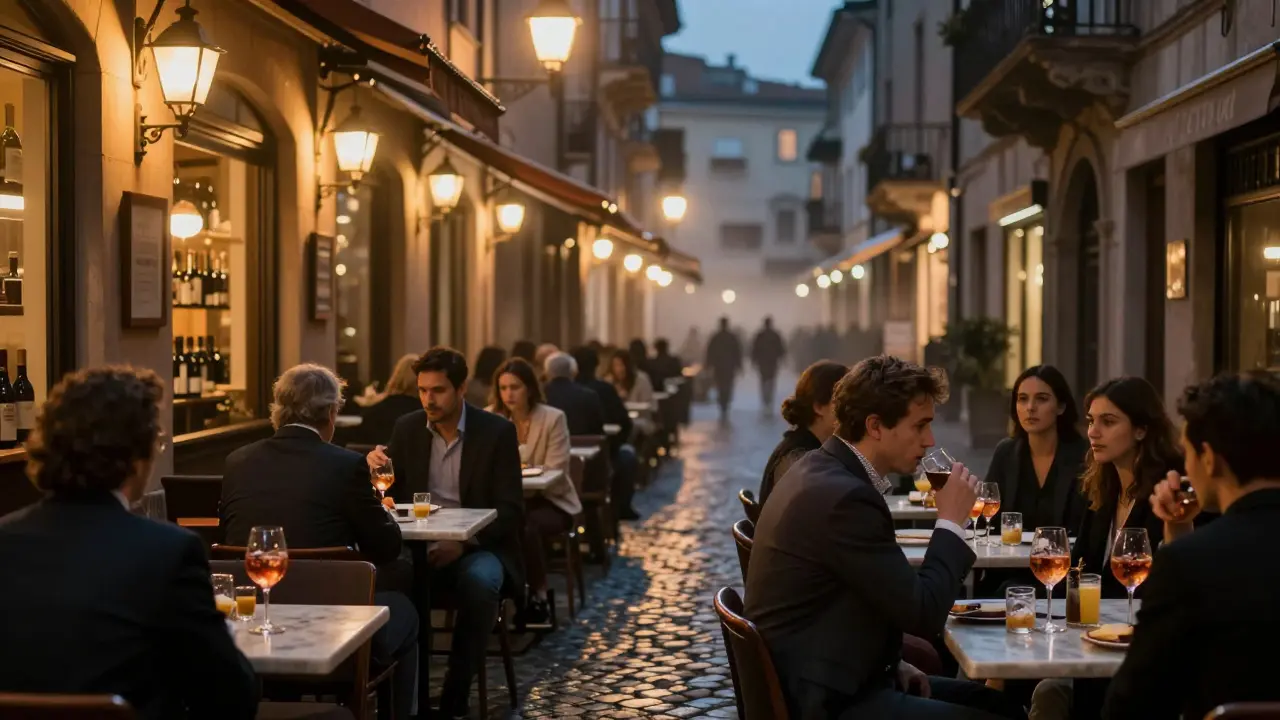
Most tourists head straight to the Duomo area or Navigli for nightlife, but the real scene starts where the Milanese unwind after their 9-to-5. Head to Brera after 8 p.m. The streets here are lined with tiny wine bars where bankers, artists, and designers sip natural wines from small Italian producers. Try Bar Basso-yes, the one that invented the Negroni Sbagliato. It’s simple, no frills, and still packed every night. Locals don’t come for the decor; they come for the ritual. Order an aperitivo, grab a small plate of olives or crostini, and linger. That’s how you start a Milanese night.Just a five-minute walk away, La Bicocca is a quiet favorite among creatives. It’s not on any tourist list, but if you ask a bartender where they go after closing their own bar, this is the name you’ll hear. The playlist? 90s Italian indie rock. The crowd? People who’ve been coming here since the 2000s. No bouncers, no dress code, just good conversation and a glass of Prosecco that costs less than a coffee in the city center.
The Club Scene: From Underground to High-End
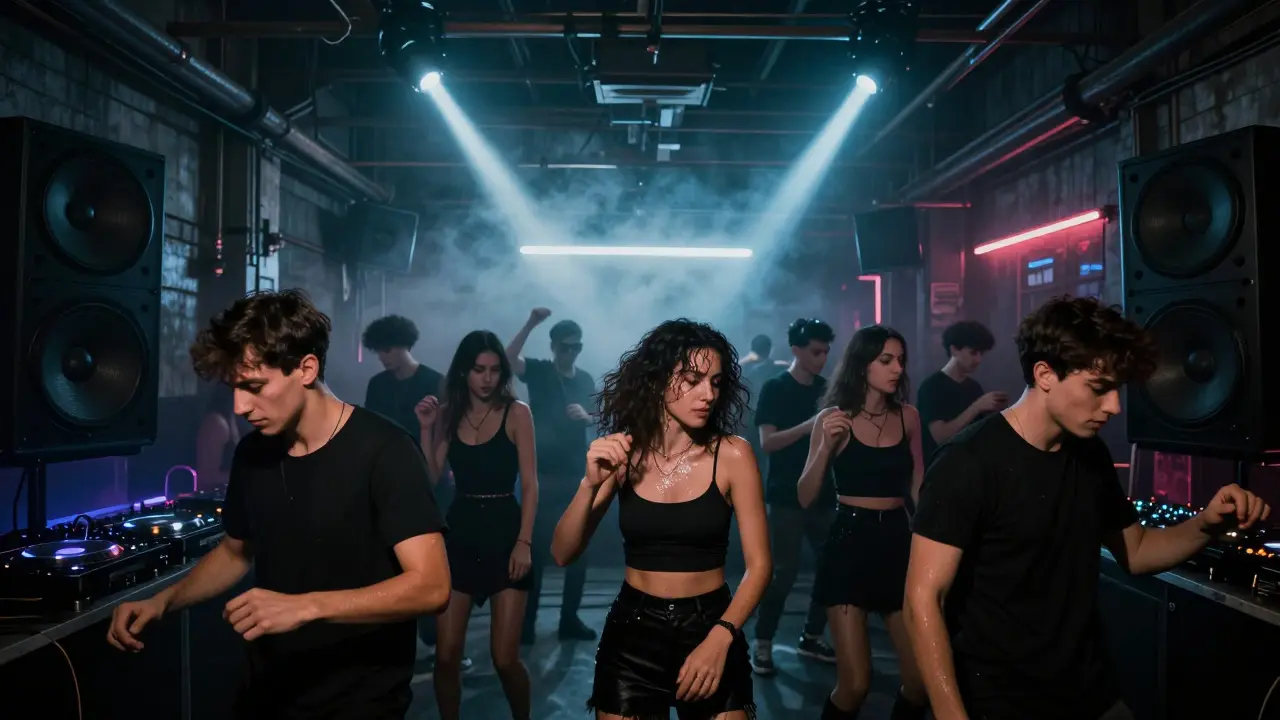
Milan’s club scene splits into two worlds: the exclusive and the experimental. If you want to see who’s who in fashion and finance, head to Le Jockey in the Porta Venezia district. It’s not the biggest club, but it’s the most influential. The line starts forming at 11 p.m., and if you’re not on the guest list, you’re likely getting turned away. But if you make it in, you’ll hear international DJs spinning deep house and tech-house in a space that feels like a 1980s Milanese art gallery.For something grittier, go to Ex Dogana in the Lambrate neighborhood. This former industrial warehouse now hosts underground techno nights with no logo, no website, and no social media presence. You find out about it through word of mouth or a cryptic Instagram story posted at midnight. The sound system is built by local engineers. The crowd? Mostly Italians under 30 who treat clubbing like a cult. The door fee? Five euros. The vibe? Unfiltered. You won’t find glitter or bottle service here. Just bass, sweat, and a room full of people who’ve been waiting all week for this moment.
Rooftops and Hidden Bars
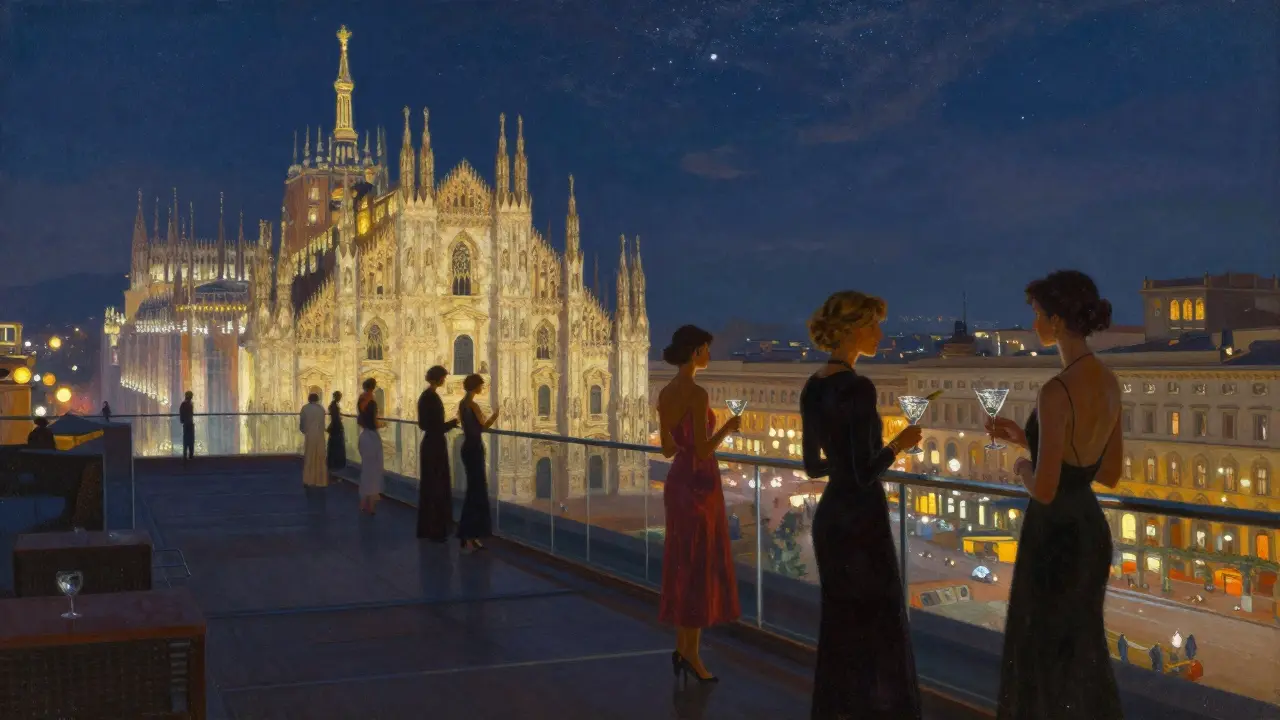
Milan’s skyline is one of its best-kept secrets. The city has more rooftop bars than you’d expect, and most of them don’t advertise. Terrazza Aperol on the top floor of the Pirelli Tower offers panoramic views of the Duomo and the Alps on clear nights. It’s not cheap-cocktails start at €18-but it’s worth it if you want to see the city lights stretch out below you like a living painting.For something more intimate, try Il Salumiere in the Brera district. It’s not a bar. It’s not a restaurant. It’s a hidden room behind a deli counter. You walk in, order a glass of Barolo, and the owner pulls out a bottle from his personal cellar. He doesn’t have a menu. He asks what you’re in the mood for, then picks something that matches your energy. One night, he gave me a 20-year-old Amarone that tasted like dried cherries and old leather. I didn’t know it was a $200 bottle until he told me the next day.
What to Wear (And What Not To)
Milan is fashion’s capital for a reason. You don’t need to wear Gucci to get into a club, but you do need to look like you put thought into your outfit. No sneakers with socks. No baseball caps. No tank tops unless you’re at a beach club in summer. The rule of thumb? Dress like you’re going to a gallery opening, not a party. Dark jeans, a crisp shirt, a tailored jacket. Even women who wear heels to work switch to sleek loafers or ankle boots at night. It’s not about being rich-it’s about being intentional.There’s one exception: La Scala opera nights. If you’re going to a performance, the dress code is strict. Men need a suit. Women need a dress or elegant pantsuit. Skip the jeans, even if you’re sitting in the back row. The usher will notice.
When to Go and How to Navigate
Milan’s nightlife doesn’t start until after 11 p.m. Most bars open at 8 or 9, but the real energy kicks in after midnight. Clubs don’t fill up until 1 a.m. and don’t really hit their stride until 2 a.m. If you’re used to cities where the party starts at 10, you’ll feel like you’re early. Don’t worry-Milan doesn’t rush.Public transport shuts down at 1:30 a.m., so plan ahead. Taxis are expensive and often hard to find after 2 a.m. Use Bolt or Free Now instead. Or better yet-walk. Milan’s city center is compact. Most hotspots are within a 15-minute walk of each other. Walking gives you time to absorb the atmosphere: the scent of espresso from a 24-hour café, the sound of laughter echoing off cobblestones, the flicker of neon signs reflecting off wet pavement after rain.
What You Won’t Find
Don’t expect American-style clubs with loud EDM, drink specials, or over-the-top themed nights. Milan doesn’t do “ladies’ night.” You won’t find karaoke bars or dance floors with strobe lights and fog machines. There are no chains like Hard Rock Café or Irish pubs. The city has its own rhythm. It’s quiet, cool, and confident. If you’re looking for a rowdy, chaotic night out, you’ll be disappointed. But if you want something real-something that feels like it belongs to the city and not to a global brand-you’ll find it.Seasonal Shifts
Milan’s nightlife changes with the seasons. In summer, the Navigli district turns into a canal-side party zone. Boat bars, open-air cinemas, and pop-up cocktail stalls line the water. It’s the only time you’ll see locals in shorts and sandals at night. In winter, everything moves indoors. The city’s best jazz clubs, like Blue Note Milano, come alive. The air gets colder, but the energy gets warmer. People huddle around fireplaces in basement lounges, sipping aged grappa and listening to live piano trios.Spring and fall are the sweet spots. The weather is mild, the crowds are thinner, and the vibe is perfect. If you can only pick one time to visit, aim for April or October.
Final Tips for a Great Night Out
- Book ahead for rooftop bars and popular clubs-especially on weekends.
- Carry cash. Many small bars and underground spots don’t take cards.
- Don’t rush. Milanese nights are about lingering, not checking off spots.
- Ask locals where they’re going next. They’ll take you somewhere you’d never find on Google Maps.
- Leave your phone in your pocket. The best moments happen when you’re not taking a picture.
There’s no single "best" night in Milan. There are dozens of them. Each one feels different depending on who you’re with, what time you arrive, and how open you are to the unexpected. That’s the point. Milan doesn’t sell you a night out. It lets you live one.
What time do clubs in Milan usually close?
Most clubs in Milan stay open until 3 a.m. or 4 a.m., especially on weekends. Some underground venues like Ex Dogana might go until 5 a.m. if the crowd is still going strong. Public transport stops running at 1:30 a.m., so plan your ride home in advance.
Is Milan nightlife safe for tourists?
Yes, Milan is generally safe for tourists at night, especially in the main nightlife districts like Brera, Navigli, and Porta Venezia. As with any big city, watch your belongings in crowded areas and avoid poorly lit streets after midnight. Stick to well-known areas, and don’t follow strangers into alleyways. Most locals are friendly and will help if you look lost.
Do I need to be on a guest list to get into clubs?
It depends on the club. High-end spots like Le Jockey or Armani/Silos events often require guest lists, especially on weekends. But many places, like Ex Dogana or smaller jazz bars, welcome walk-ins. If you’re not on a list, arrive early-around midnight-and dress sharply. Bouncers in Milan care more about how you look than who you know.
What’s the average cost of a night out in Milan?
A night out can cost anywhere from €25 to €150. Aperitivo at a local bar? €10-€15. A cocktail at a rooftop bar? €18-€25. Club entry? €10-€20. If you’re drinking premium spirits or ordering bottles, it can add up fast. Budget €50-€80 for a solid night without overspending.
Are there any age restrictions for nightlife in Milan?
The legal drinking age in Italy is 18, and most clubs enforce this strictly. You’ll need to show ID, even if you look older. Some venues, especially those hosting live music or late-night events, may have a 21+ policy. Always carry a passport or EU ID card.