Milan by Night: A Comprehensive Guide to the City's Nightlife
When the sun sets over Milan, the city doesn’t sleep-it transforms. The same streets lined with designer boutiques and historic facades become corridors of live music, craft cocktails, and buzzing energy. This isn’t just a city that has nightlife. It’s a city that lives for it. And if you’re planning your first night out here, you’ll need more than a map. You need to know where the locals go, where the music actually hits right, and where to avoid the tourist traps that drain your wallet and your mood.
Where the Locals Go After Work
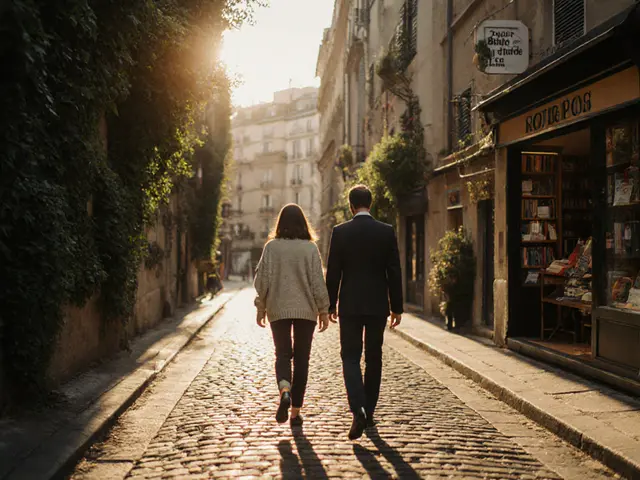
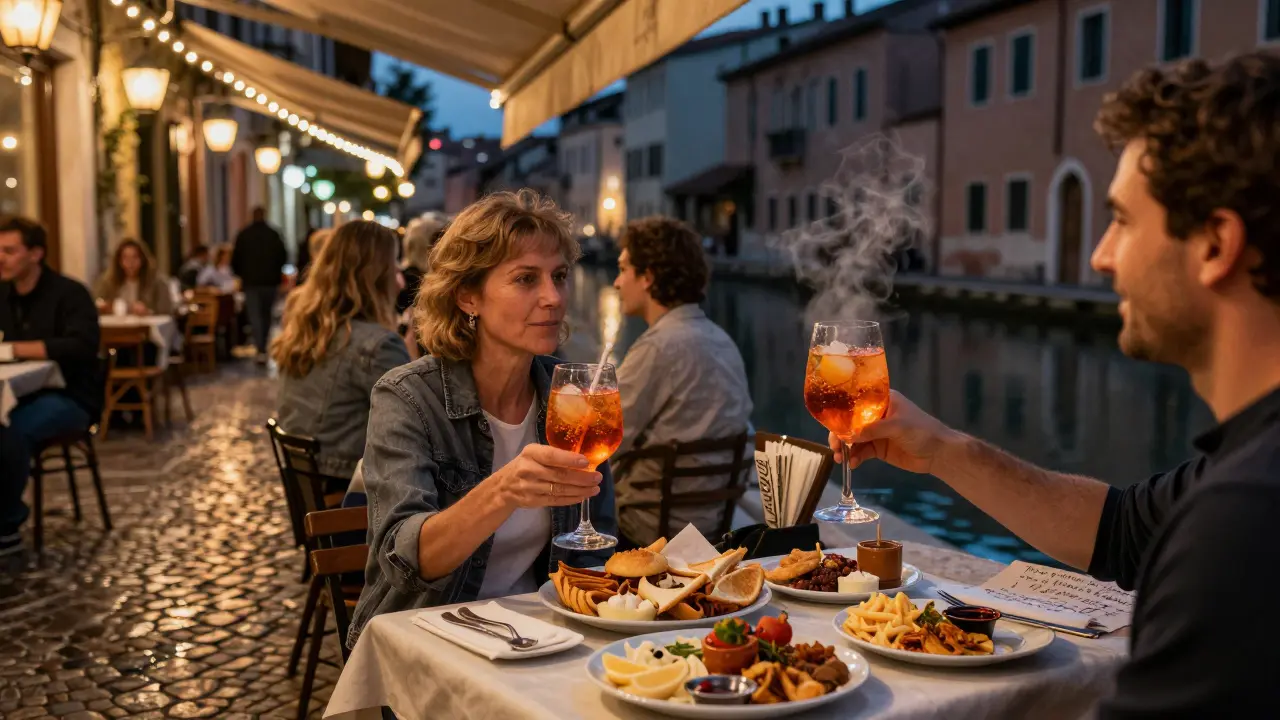
Forget the flashy clubs near the Duomo. If you want to feel like a Milanese, head to Navigli. This canal district turns into a living room after 9 p.m. Bars spill onto cobblestone sidewalks, and people sip Aperol spritzes while laughing over plates of cicchetti. Places like Bar Navigli and La Cucina di Navigli don’t have cover charges or velvet ropes. They have mismatched chairs, handwritten menus, and bartenders who remember your name by the second round. The vibe? Relaxed, real, and refreshingly unpretentious.Walk a little farther down the canal and you’ll find La Cucina di Navigli-a tiny spot with a backyard garden and a menu that changes daily. They serve homemade pasta with wild boar ragù and local wines poured from bottles you’ve never seen before. No one here is trying to impress you. That’s the point.
Clubs That Actually Play Good Music
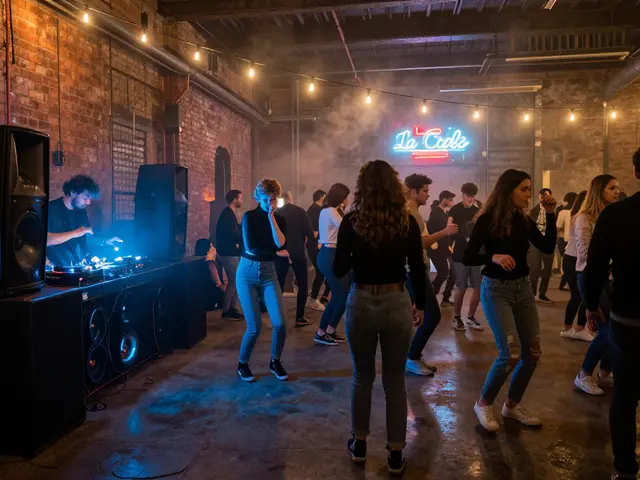
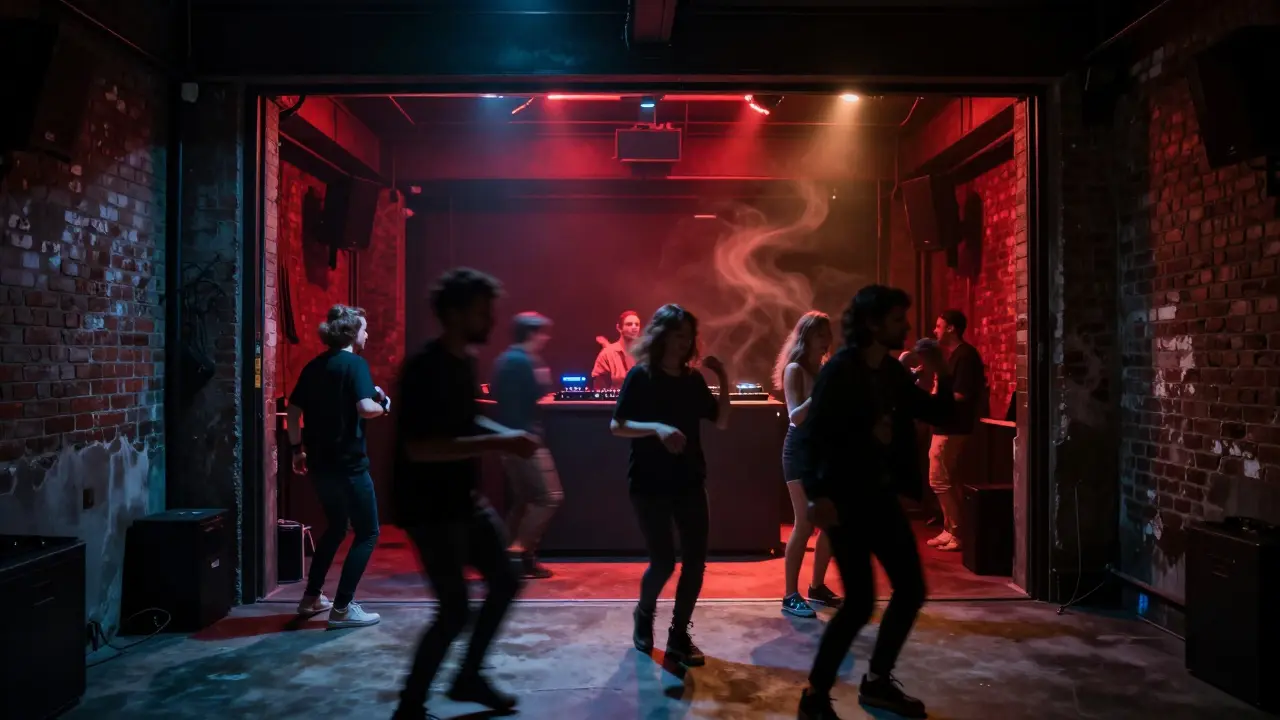
Milan’s club scene isn’t about neon lights and bottle service. It’s about sound. If you’re looking for techno, house, or underground beats, La Scala isn’t your destination-Clubs are. CLUB 180 in the Porta Genova area has been a staple since the 90s. It’s in a converted warehouse, no fancy signage, just a single red light above the door. Inside, the bass is deep enough to feel in your chest. DJs here aren’t hired for their Instagram followers-they’re chosen for their ability to move a crowd for hours.Another favorite is Magazzini Generali, a cultural center turned nightclub. It’s open on weekends, and the lineup often includes artists from Berlin, Tokyo, and Detroit. The space is industrial, the lighting is low, and the crowd? Mostly locals in black turtlenecks and vintage boots. You won’t see a single selfie stick. The music is the only thing that matters.
Where to Drink Like a Milanese
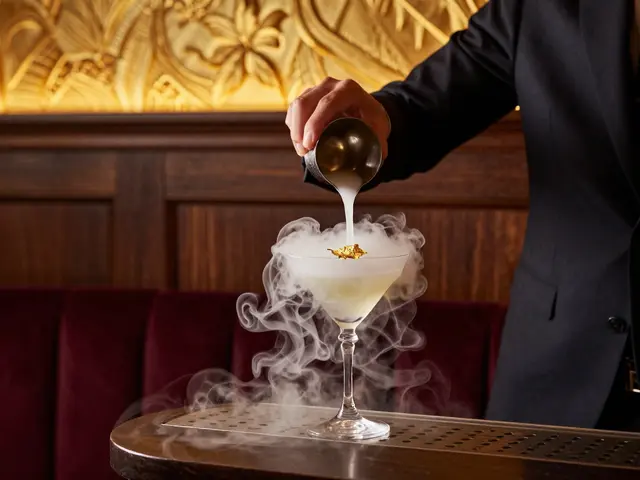
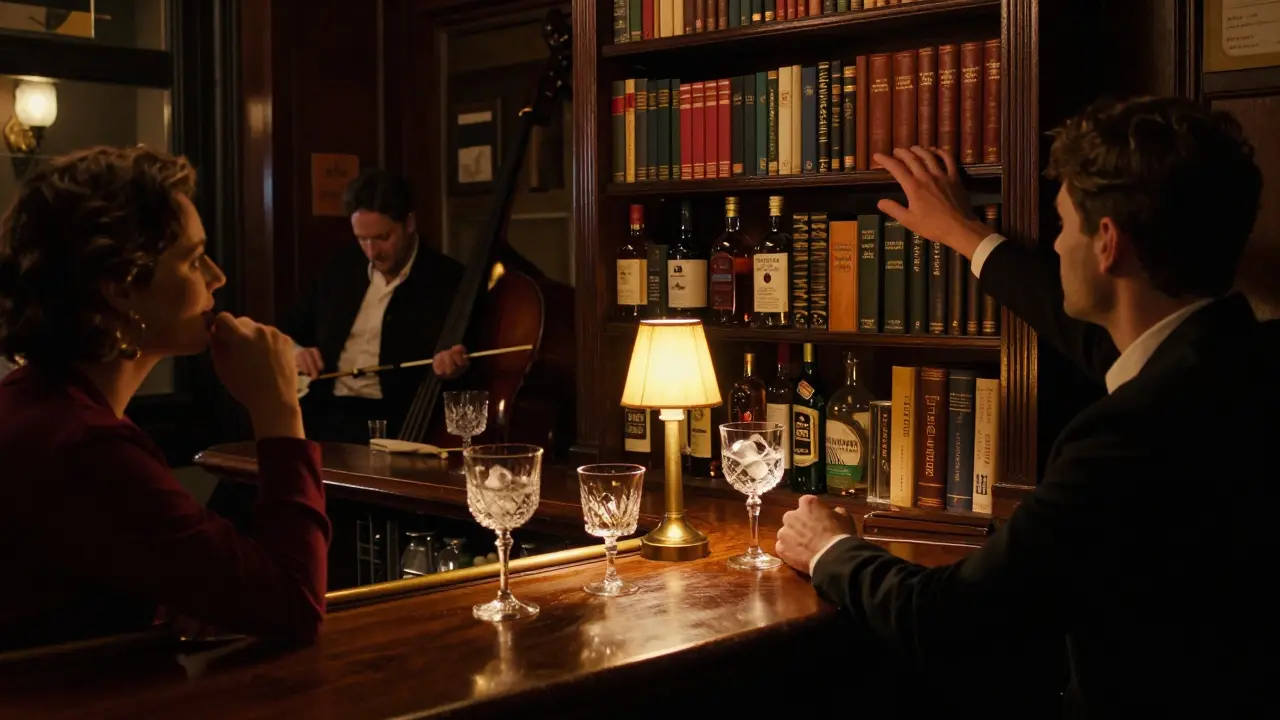
Aperitivo isn’t just a drink. It’s a ritual. Between 6 and 9 p.m., bars across Milan offer buffet-style snacks with your cocktail. But not all aperitivos are created equal. At Bar Basso, the birthplace of the Negroni Sbagliato, you pay €12 and get unlimited snacks-olives, crostini, mini arancini, even warm polenta. The crowd? Designers, architects, and journalists. Everyone’s talking. No one’s rushing.For something quieter, try Il Gatto Nero in Brera. It’s a speakeasy-style bar hidden behind a bookshelf. You need to know the password-ask for the barman’s favorite book. They serve gin cocktails made with botanicals from the Italian Alps. No loud music. Just jazz, dim lamps, and the sound of ice clinking in a glass.
Hidden Gems You Won’t Find on Google Maps
Some of Milan’s best nights happen in places that don’t have websites. Bar del Teatro, tucked behind La Scala opera house, opens only on performance nights. You can’t book a table. You just show up, order a glass of Barolo, and listen to the murmur of the crowd waiting for the curtain to rise. It’s quiet. It’s intimate. It’s unforgettable.Then there’s La Cucina di Piero, a basement kitchen in the Zona Tortona district. It’s open from midnight to 3 a.m. on Fridays and Saturdays. No menu. Just a chalkboard with three dishes: risotto, grilled octopus, and tiramisu. The owner, Piero, used to be a chef in New York. He came back to Milan because, as he says, “The food here tastes like home.” You eat at a wooden table next to strangers. By the end of the night, you’re not strangers anymore.
What to Avoid
There are places that look like nightlife but feel like a theme park. Area 51 near the Duomo? Overpriced drinks, fake VIP sections, and DJs playing Top 40 hits from 2012. Same goes for the rooftop bars that charge €40 for a glass of prosecco and a view you can get from your hotel window. Save your money. The real Milan doesn’t need to shout to be noticed.Also, don’t expect 24-hour parties. Most clubs close by 2 a.m. on weekdays. Weekends stretch to 4 a.m., but only if the vibe is still alive. Milanese don’t stay out until dawn because they have to-they stay because they want to.
When to Go
The best time to experience Milan’s nightlife is from late April to early October. The weather is warm, the terraces are open, and the city feels alive. But don’t sleep on winter nights. December brings Christmas markets with mulled wine, and January is when the real party starts-after the holiday rush clears out. February’s Fashion Week turns the city into a runway of glitter and leather, but the clubs? They’re packed with insiders, not tourists.Midweek nights (Tuesday to Thursday) are quieter but often more authentic. You’ll find locals, not groups of tourists taking group selfies. Friday and Saturday are the peak, but you’ll need to arrive before 11 p.m. to get in without waiting.
How to Get Around
Milan’s metro runs until 1:30 a.m. on weekdays and 2:30 a.m. on weekends. After that, taxis are easy to find, but Uber isn’t allowed. Use FreeNow or Beat instead-they’re local apps with fixed prices. Walking is safe in the central districts, but avoid the outskirts after midnight. Stick to Navigli, Brera, Porta Genova, and Zona Tortona. These areas are well-lit, well-patrolled, and full of people.What to Wear
Milan doesn’t have a dress code, but it has a standard. No hoodies. No flip-flops. No baseball caps indoors. Even in summer, people dress with intention. Think tailored jeans, a nice shirt, a leather jacket. It’s not about being fancy-it’s about being put together. Locals notice. Tourists don’t.Final Tip: Slow Down
The biggest mistake visitors make? Rushing. You can’t do Milan’s nightlife in one night. Pick one district. Pick one bar. Stay there. Talk to someone. Let the night unfold. You’ll remember the quiet moment at Il Gatto Nero more than the loudest club. You’ll remember the taste of Piero’s risotto more than the neon sign outside.Milan’s nightlife isn’t about how many places you hit. It’s about how deeply you feel it.
What time do clubs in Milan usually close?
Most clubs in Milan close by 2 a.m. on weekdays and 4 a.m. on weekends. The closing time depends on the crowd-if the music and energy are still strong, the DJ might extend the set. But don’t expect all-night parties like in Ibiza or Berlin. Milan’s nightlife is more about quality than quantity.
Is Milan nightlife safe for solo travelers?
Yes, Milan is generally safe for solo travelers at night, especially in central areas like Navigli, Brera, and Porta Genova. These neighborhoods are well-lit, crowded, and patrolled. Avoid walking alone in industrial zones or near the train station after midnight. Use trusted ride apps like FreeNow or Beat instead of unmarked cabs.
Do I need to book tables at Milan bars and clubs?
For most bars, no. Aperitivo spots and neighborhood joints don’t take reservations. For popular clubs like CLUB 180 or Magazzini Generali, you usually don’t need to book either-just show up before midnight. The only exceptions are rooftop lounges or venues during Fashion Week, where advance booking is recommended.
What’s the average cost of a night out in Milan?
You can have a great night out for €25-€40. Aperitivo with unlimited snacks costs around €12-€15. A cocktail at a craft bar is €10-€14. Club entry is often free before midnight, and drinks range from €8 to €12. Skip the tourist traps-they charge €20 for a soda and a view.
Are there any age restrictions for nightlife in Milan?
The legal drinking age in Italy is 18, and most clubs enforce this strictly. You’ll need to show ID, even if you look older. Some venues have a 21+ policy on weekends, especially if they serve food or host live music. Always carry a passport or EU ID card.
What’s the best way to experience Milan’s aperitivo culture?
Go between 6 and 8 p.m. to any bar in Navigli or Brera. Order an Aperol spritz or a Campari soda. You’ll get a buffet of snacks-chips, olives, sandwiches, and sometimes hot dishes like arancini or mini lasagna. The key is to stay at one place, relax, and watch the city transition from day to night. Don’t rush to the next spot.