Milan's Nightlife Scene: A Guide to the City's Hottest Spots
Milan doesn’t sleep when the sun goes down
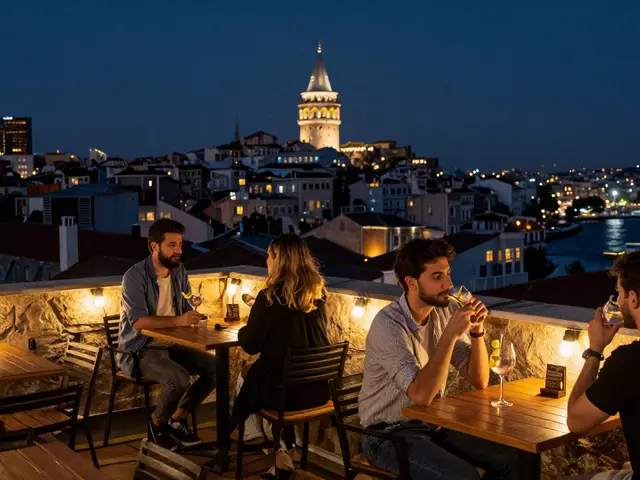
Most people think of Milan as fashion runways and designer boutiques, but when the lights dim and the city shifts gears, it becomes something else entirely. The nightlife here isn’t just about drinking-it’s about energy, style, and knowing where to find the real pulse of the city after hours. You won’t find endless tourist traps here. Instead, you’ll find hidden courtyards with live jazz, rooftop bars with skyline views, and underground clubs where locals dance until sunrise.
Start in Navigli: Canals, Cocktails, and Chill Vibes
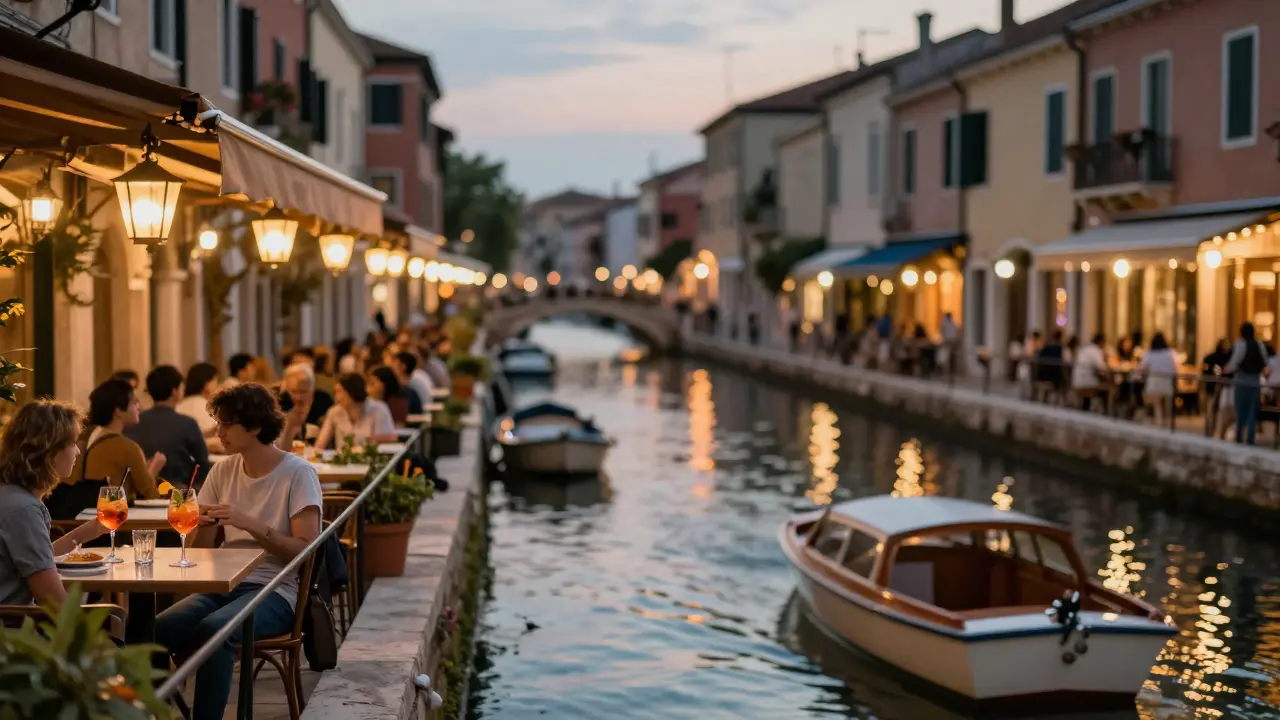
Head to the Navigli district, especially along the Naviglio Grande canal, for the most relaxed but still vibrant evening. This is where Milanese professionals unwind after work. The canals are lined with outdoor terraces that turn into open-air lounges by night. Grab a spritz at Bar Luce-it’s the kind of place where you’ll see artists, architects, and writers chatting over Aperol. No loud music, no crowds pushing past you. Just good drinks, warm lights, and the sound of water lapping against stone.
As the night gets deeper, wander toward La Baita, a tiny bar tucked under a bridge. They serve craft cocktails made with local herbs and gin infused with bergamot. It’s not on any tourist map. You’ll know you’re in the right spot when you see locals nodding at each other like they’ve known each other for years.
Clubs That Actually Matter: From Basement Beats to High-End Sound
If you’re looking to dance, Milan’s club scene has layers. Forget the flashy names you see on Instagram ads. The real ones are quieter, harder to find, and worth the effort.
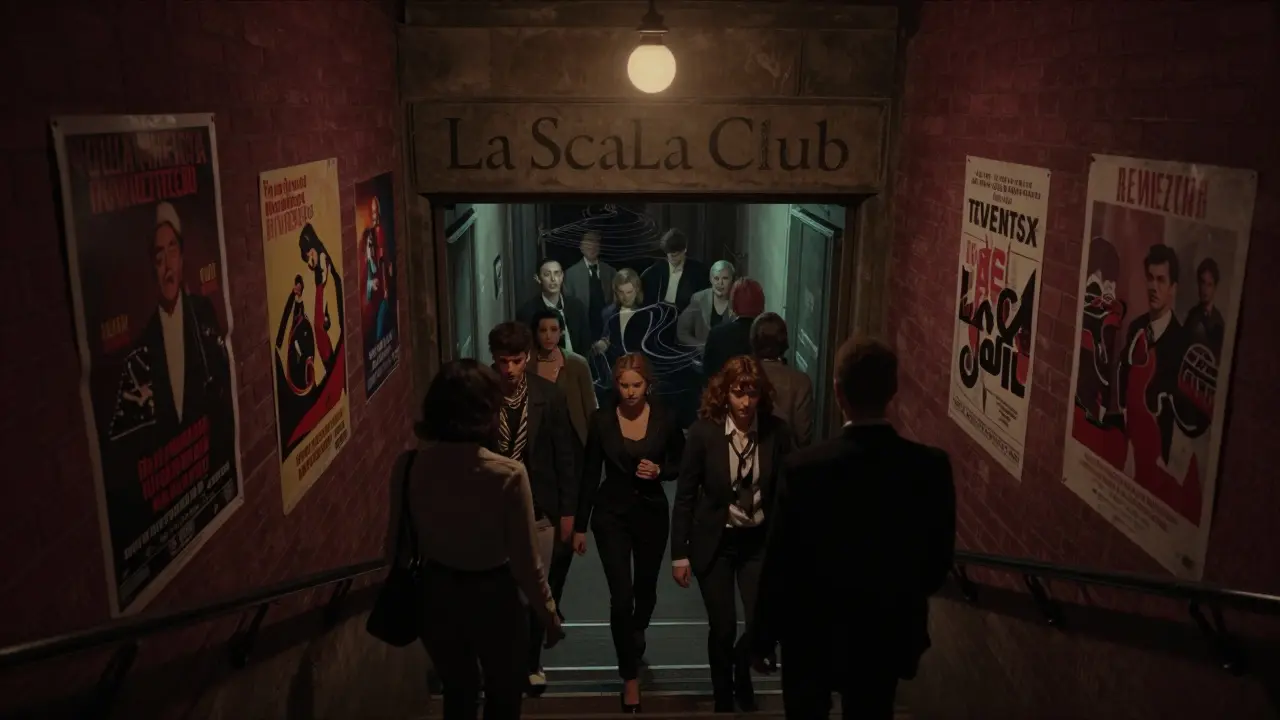
La Scala Club isn’t connected to the opera house-it’s a basement venue in Porta Venezia. It’s been around since the 90s and still plays deep house and techno with a focus on underground Italian and European DJs. The crowd is mixed: students, designers, expats. No VIP sections. No cover charge before midnight. You’ll hear the bass before you see the entrance.
For something more polished, Armani/Silos occasionally opens its doors for private after-parties following fashion events. It’s not regular, but if you’re lucky enough to get an invite, expect minimalist design, top-tier sound systems, and a crowd that dresses like they just stepped off a runway.
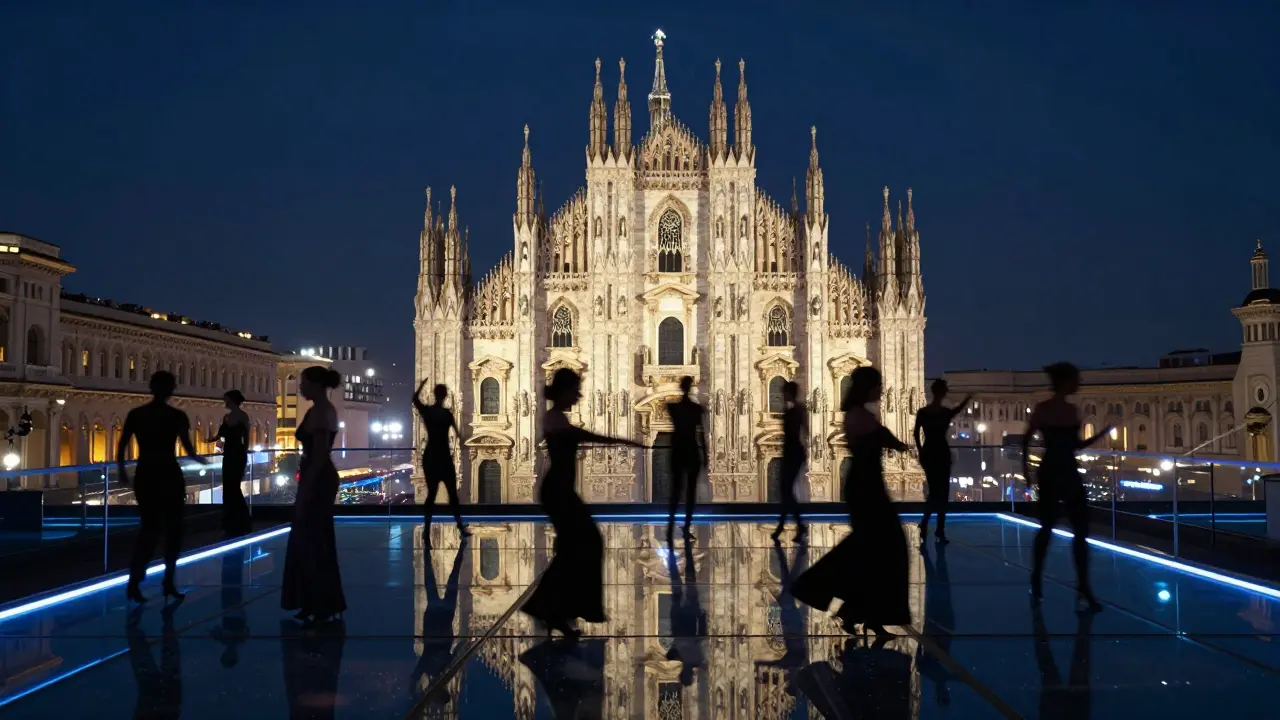
Don’t miss Blu in the Brera neighborhood. It’s a rooftop club with a glass-walled dance floor overlooking the city. The music leans toward electronic and disco-house. The view is the real attraction-especially when the Duomo is lit up behind you.
Where the Locals Go: Beyond the Tourist Zones
Most visitors stick to the Duomo area or Corso Como, but the real nightlife lives in the neighborhoods that don’t make the brochures.
Porta Ticinese is a maze of small bars, each with its own vibe. Try Bar Basso-famous for inventing the Negroni Sbagliato. It’s tiny, dim, and packed with people leaning over the bar. Don’t expect a menu. Just point at what the person next to you is drinking. They’ll smile and pour you one too.
Down the street, La Cucina del Gatto turns into a wine bar after 9 PM. They serve natural wines from small Italian vineyards and have a rotating selection of artisanal cheeses. No one rushes you. You could stay for two hours or two minutes-it doesn’t matter.
On weekends, head to Stazione Centrale’s back alleys. Yes, the train station. Around midnight, pop-up bars appear near the old freight yards. They’re run by young creatives who bring in vinyl DJs and serve drinks in mason jars. It’s raw, unpolished, and totally Milanese.
Timing Matters: When to Show Up
Milan doesn’t follow the same rhythm as other European cities. Dinner starts at 9 PM. People don’t even think about going out until after 11. If you show up at 9:30 for a club, you’ll be the only one there.
For bars: 10 PM to midnight is when the crowd builds. Midnight to 2 AM is peak. After 2 AM, it’s mostly regulars and the night owls.
Clubs usually open at midnight and don’t get loud until 1 AM. The real dance floor doesn’t fill until 2:30 AM. Most clubs close at 5 AM, but the best ones-like La Scala Club-keep going until 6 or 7 if the energy holds.
What to Wear: Style Over Flash
Milanese nightlife has rules. You don’t need to wear a suit, but you do need to look intentional. No sneakers with socks. No baseball caps. No baggy hoodies. Even if you’re just going to a casual bar, people notice how you carry yourself.
Men: Dark jeans, a fitted shirt, maybe a blazer if you’re heading to a rooftop. Boots or clean leather shoes.
Women: A little black dress, tailored trousers, or a stylish jumpsuit. Heels aren’t mandatory, but flats should look deliberate-not like you just rolled out of bed.
Clubs like Blu and Armani/Silos enforce dress codes. You won’t be turned away for being underdressed, but you’ll stand out. And in Milan, standing out for the wrong reason is worse than being ignored.
How to Get Around: Skip the Uber
Public transport runs until 1:30 AM on weekdays and 2:30 AM on weekends. The metro is clean, safe, and fast. Line M2 (green) connects Navigli to Porta Venezia. Line M1 (red) goes from Duomo to Porta Ticinese.
After 2:30 AM, taxis are your only option. Use the official app EasyTaxi-it’s cheaper than Uber and drivers know the city better. Avoid random cabs near tourist areas. They’ll charge double.
Walking is fine in Navigli and Brera, but avoid isolated streets near the station after midnight. Stick to well-lit, busy corridors.
What to Expect: The Real Milan After Dark
Milan’s nightlife isn’t about partying for the sake of it. It’s about connection, taste, and quiet confidence. You won’t find neon signs screaming "HAPPY HOUR!" or bouncers checking your ID five times. The vibe is subtle. The music is curated. The drinks are made with care.
If you go expecting Las Vegas, you’ll be disappointed. If you go curious, open to discovery, and willing to wander off the main drag-you’ll leave with stories you won’t forget.
Final Tip: Talk to the Bartenders
They know everything. Not just the best spots, but who’s playing where, which club has the best sound system this week, and where the secret parties are. Ask them what they’re drinking. They’ll tell you. And if you listen, you’ll find the real Milan.
Is Milan nightlife safe at night?
Yes, Milan’s main nightlife areas like Navigli, Brera, and Porta Ticinese are very safe at night. The city has strong street lighting and a visible police presence in popular zones. Avoid isolated alleys near the train station after midnight, and don’t carry large amounts of cash. Stick to busy streets, and use official taxis after 2:30 AM.
What’s the best night to go out in Milan?
Friday and Saturday are the busiest, especially in clubs and rooftop bars. But if you want a more local, less crowded experience, go on a Thursday. Many bars have live music or special events on Thursdays, and the crowd is more relaxed. Sunday nights are surprisingly good too-especially in Navigli, where people linger over drinks after dinner.
Do I need to book tickets for clubs in Milan?
Most clubs don’t require advance tickets unless there’s a special guest DJ or themed night. For places like Blu or Armani/Silos during fashion events, it’s smart to check their Instagram or website. For underground spots like La Scala Club, you can just show up. Cover charges, if any, are usually €10-15 and paid at the door.
Are there any vegan or alcohol-free options in Milan’s nightlife?
Absolutely. Many bars now offer zero-proof cocktails-especially in Navigli and Brera. Places like La Cucina del Gatto and Bar Luce have dedicated non-alcoholic menus. Vegan snacks are common too. Look for places that mention "cucina naturale" or "bio" on their signs. Even traditional bars often have olives, nuts, and vegetable crostini.
Can I find English-speaking staff in Milan’s bars and clubs?
In tourist-heavy areas like Corso Como or near the Duomo, yes. But in local spots like Porta Ticinese or the back alleys near Stazione Centrale, staff might speak little English. That’s okay. Milanese bartenders are used to foreigners. Point, smile, and use a phrasebook app if needed. Most will help you find what you’re looking for.