Milan's Nightlife: The Best Clubs, Bars, and Party Spots in 2026
Forget the fashion shows-Milan’s real magic happens after sunset
Most people think of Milan as a city of suits, runways, and espresso bars. But when the sun drops, the city sheds its polished skin and becomes something wilder, louder, and more alive. You won’t find tourist traps here. You’ll find underground bass thumping in converted warehouses, rooftop lounges with skyline views, and wine bars where locals debate football over Negronis until 4 a.m. This isn’t just a night out-it’s a full-blown cultural experience.
Where the locals go: Navigating Milan’s club scene
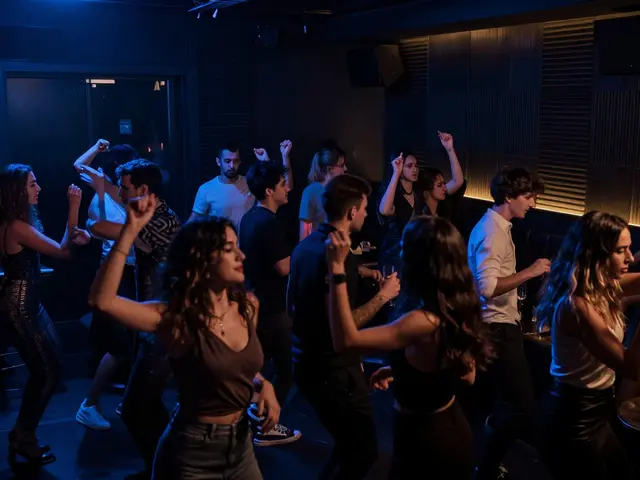
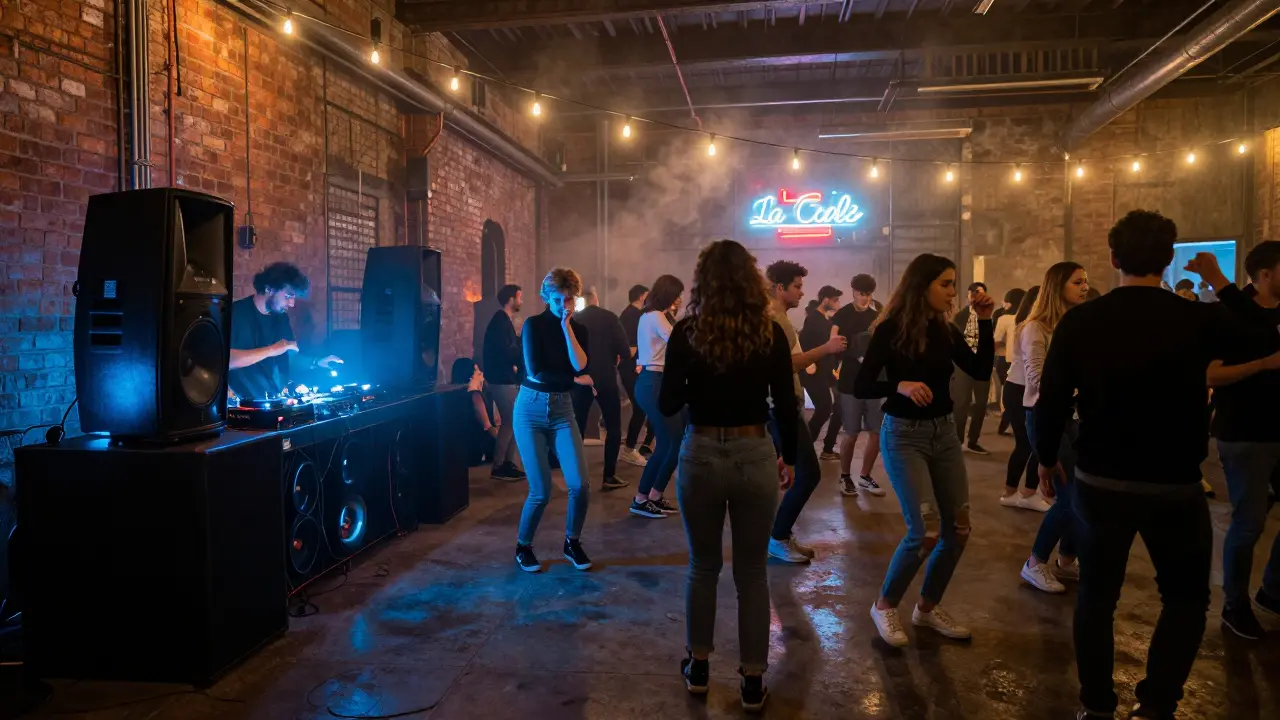
If you want to dance like a Milanese, skip the flashy names on Instagram and head to La Scala Club. Not the opera house-the real one. Tucked into a 1920s industrial building in the Porta Genova district, it’s been running since 1998 and still draws a mix of artists, designers, and students. The sound system? Built by a local engineer who refused to use commercial gear. The playlist? No Top 40. Just deep house, techno, and rare Italo-disco cuts. Doors open at midnight. No dress code, but if you show up in sneakers and a hoodie, you’ll blend right in.
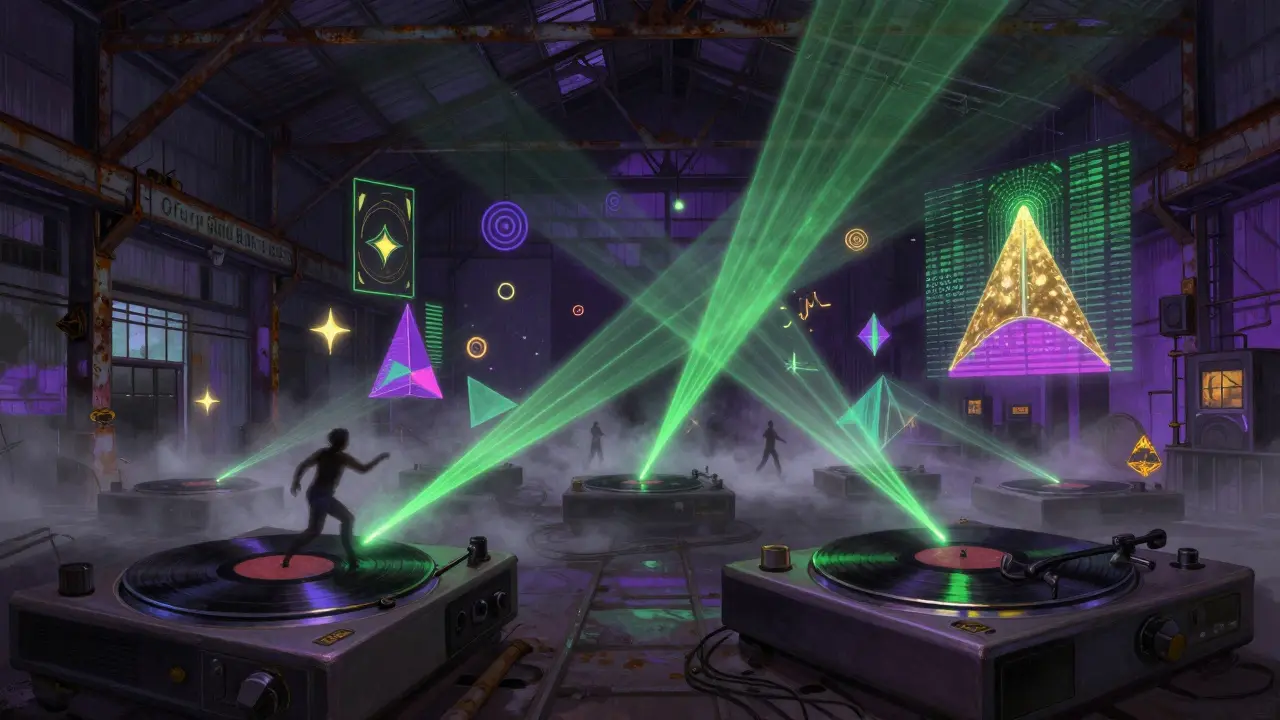
For something more experimental, Officine Grandi Riparazioni (OGR) turns old railway workshops into immersive soundscapes. It’s not a club-it’s a sonic playground. Think laser projections synced to live electronic sets, or DJs spinning vinyl while dancers move through fog-filled corridors. Events here are often themed: one night it’s a tribute to 90s Milan rave culture, the next it’s a collaboration with a local avant-garde composer. Tickets sell out fast, so check their website every Tuesday for the weekly lineup.
Bars that don’t look like bars
Milan’s bar scene thrives on secrecy and surprise. Bar Basso is where the Negroni was invented in 1919-and it still makes the best one in town. The barman won’t ask if you want it sweet or dry. He’ll just pour it, exactly as it’s meant to be: equal parts gin, Campari, and sweet vermouth, stirred with ice for 30 seconds, served with a single orange twist. No menu. No photos allowed. Just a quiet, dim room where people sip slowly and talk in hushed tones.
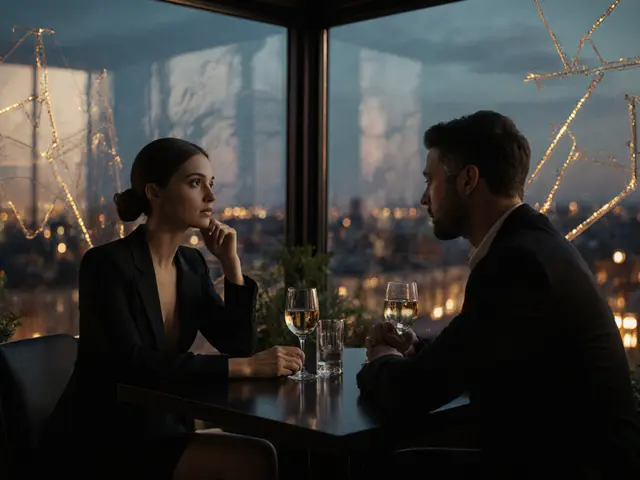
Want something less formal? Alba hides behind an unmarked door in Brera. Step inside and you’re in a 1950s-style speakeasy with velvet booths, jazz on the turntable, and cocktails named after Milanese poets. Their “Briciola”-a mix of gin, elderflower, lemon, and a drop of black pepper-is so good you’ll forget you’re drinking alcohol. The bartender remembers your name after one visit. That’s how they do things here.
Rooftops, riverbanks, and secret gardens
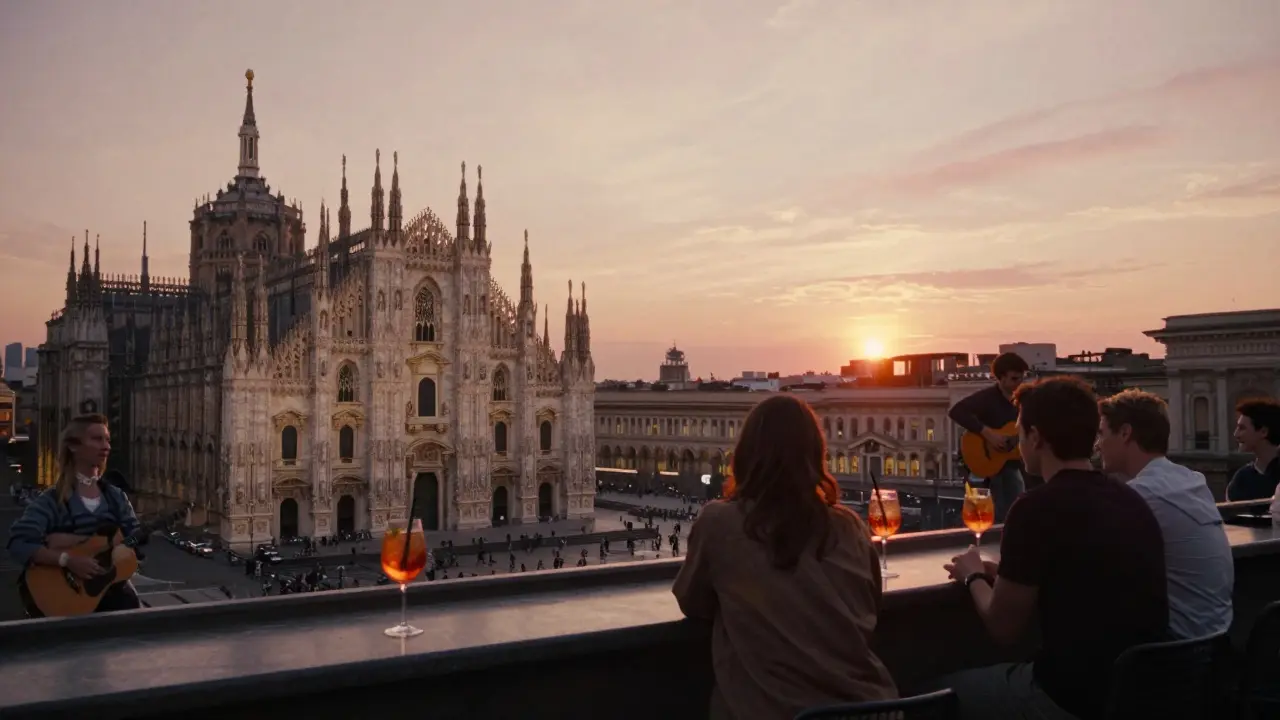
When the weather’s warm, Milan turns its rooftops into open-air parties. Terrazza Aperol on the top of the Unicredit Tower gives you 360-degree views of the Duomo, the Galleria, and the Alps in the distance. It’s not cheap-cocktails start at €18-but the sunset over the city is worth every euro. Go on a Thursday or Friday when they host live acoustic sets from local indie bands.
For something more laid-back, walk down to the Navigli canals. La Zattera is a floating bar on the Naviglio Grande, where you can order a spritz and lean against the railing as gondolas glide by. On weekends, they turn the deck into a dance floor with DJs spinning tropical house and disco remixes. Locals bring their own snacks. Tourists bring their cameras. Everyone leaves with a sunburn and a smile.
What to avoid-and why
There are places that look like they should be on your list. Don’t go to them. La Perla, near Piazza Duomo, is a classic example. It’s packed with tourists, overpriced cocktails, and loud EDM that drowns out conversation. Same goes for the clubs near Corso Buenos Aires-designed for package tours, not real nights out. You’ll pay €25 to get in, wait 45 minutes, and dance next to someone who’s never been to Milan before.
Also skip the “VIP tables” gimmick. In Milan, VIP means nothing. No one’s waiting for you at the door with a red rope. If someone offers you a “private booth” or “free bottle service,” they’re trying to upsell you. Real Milanese nightlife doesn’t work that way. It’s about the music, the vibe, the people. Not the price tag.
When to go-and how to dress
Milan doesn’t start until 11 p.m. Bars open at 9, but no one’s really there until midnight. Clubs don’t fill up until 1 a.m. And if you leave before 3 a.m., you’re missing the best part. The city wakes up late-and so should you.
Dress code? Smart casual. No sneakers. No shorts. No baseball caps. Jeans are fine, but make sure they’re clean. A button-down shirt or a sleek turtleneck goes a long way. Women wear little black dresses or tailored jumpsuits. It’s not about being flashy-it’s about looking like you belong. Milanese people notice details. They’ll see if you’re trying too hard. Or not hard enough.
How to get around after dark
Public transport runs until 1:30 a.m. on weekdays, 2:30 a.m. on weekends. The metro stops at Porta Genova, Garibaldi, and Loreto-all key nightlife zones. After that, you’ll need a taxi or rideshare. Uber is available, but local apps like FreeNow or It Taxi are cheaper and faster. Avoid walking alone after 2 a.m., especially near the train station. Stick to well-lit streets and group up.
Seasonal shifts: What’s different in winter vs. summer
Winter nights in Milan are colder but cozier. Bars turn up the heat, and the crowd gets more intimate. OGR hosts indoor sound installations, and rooftop bars like Terrazza Aperol light up with fairy lights and heated seating. You’ll find more jazz lounges and whiskey bars open late.
Summer? That’s when the city explodes. The Navigli come alive with open-air cinema nights, pop-up bars on barges, and all-night festivals like Summer in the City-a free event with DJs, food trucks, and art installations along the canal. It runs from June to August. If you’re here then, don’t miss it.
Final tip: Talk to the bartenders
They know everything. Not just the best spots, but who’s playing tonight, where the crowd’s moving, and which club just opened a new terrace. Ask them: “Where would you go if you had one night off?” Nine times out of ten, they’ll point you to a place you won’t find on Google. That’s the real Milan nightlife. Not the ones you book online. The ones you discover by accident, with a drink in hand and no plan at all.
What time do clubs in Milan usually close?
Most clubs in Milan stay open until 4 a.m. or later, especially on weekends. Some, like OGR and La Scala Club, have licenses that allow them to operate until 5 a.m. on Fridays and Saturdays. The last trains leave around 2:30 a.m., so plan your ride home ahead of time.
Is Milan nightlife safe for solo travelers?
Yes, Milan is generally safe for solo travelers at night, especially in the main nightlife districts like Porta Genova, Brera, and Navigli. Stick to well-lit areas, avoid isolated streets after 2 a.m., and use trusted ride apps. Don’t carry large amounts of cash, and keep your phone charged. Most locals are friendly and will help if you look lost.
Do I need to book tickets in advance for Milan clubs?
For big events at OGR, La Scala Club, or festival nights, yes-tickets often sell out days ahead. For regular club nights, you can usually just show up. Cover charges are typically €10-€20, paid at the door. Always check the club’s Instagram or website the day before to confirm the lineup and entry rules.
What’s the average cost of a drink in Milan’s nightlife spots?
In a standard bar, a beer costs €5-€7, a cocktail €12-€18. Rooftop bars and tourist-heavy spots charge €20+ for drinks. In local favorites like Bar Basso or Alba, prices are fair for the quality. A Negroni at Bar Basso is €14-and worth every cent. Avoid places with prices listed in big neon signs; they’re usually targeting tourists.
Are there any age restrictions for nightlife in Milan?
The legal drinking age in Italy is 18, and clubs enforce it strictly. You’ll need to show ID, even if you look older. Some venues, especially those with live music or late hours, may have a 21+ policy. Always carry a valid passport or EU ID card-driver’s licenses aren’t always accepted.
What’s the best night to go out in Milan?
Friday and Saturday are the busiest, with the best lineups and energy. But if you want a more local vibe, go on a Thursday. Clubs are less crowded, prices are sometimes lower, and the crowd is more relaxed. Sunday nights are surprisingly good too-especially at Navigli bars, where people linger over wine and music until dawn.