Party Like a Local: The Secret to Enjoying Nightlife in Milan
Most tourists in Milan stick to the same few spots near Duomo or Navigli, then wonder why the city feels cold after dark. The truth? Milan’s real nightlife doesn’t show up on Google Maps until after 11 p.m. And it’s not about flashy logos or velvet ropes-it’s about knowing where to walk, who to nod at, and when to order an Aperol spritz without looking like you’re on vacation.
Forget the Navigli Crowd
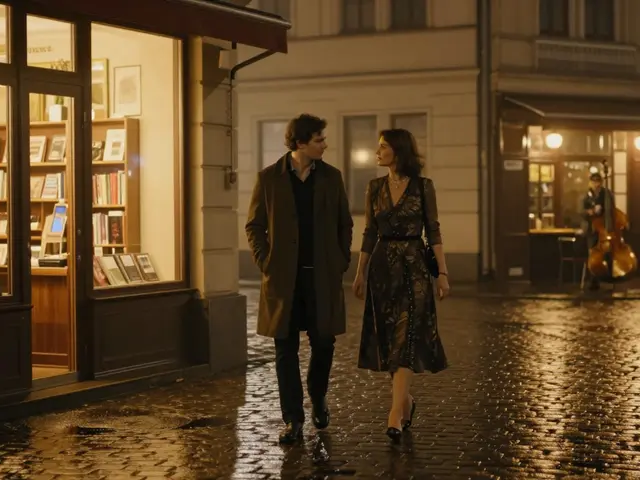
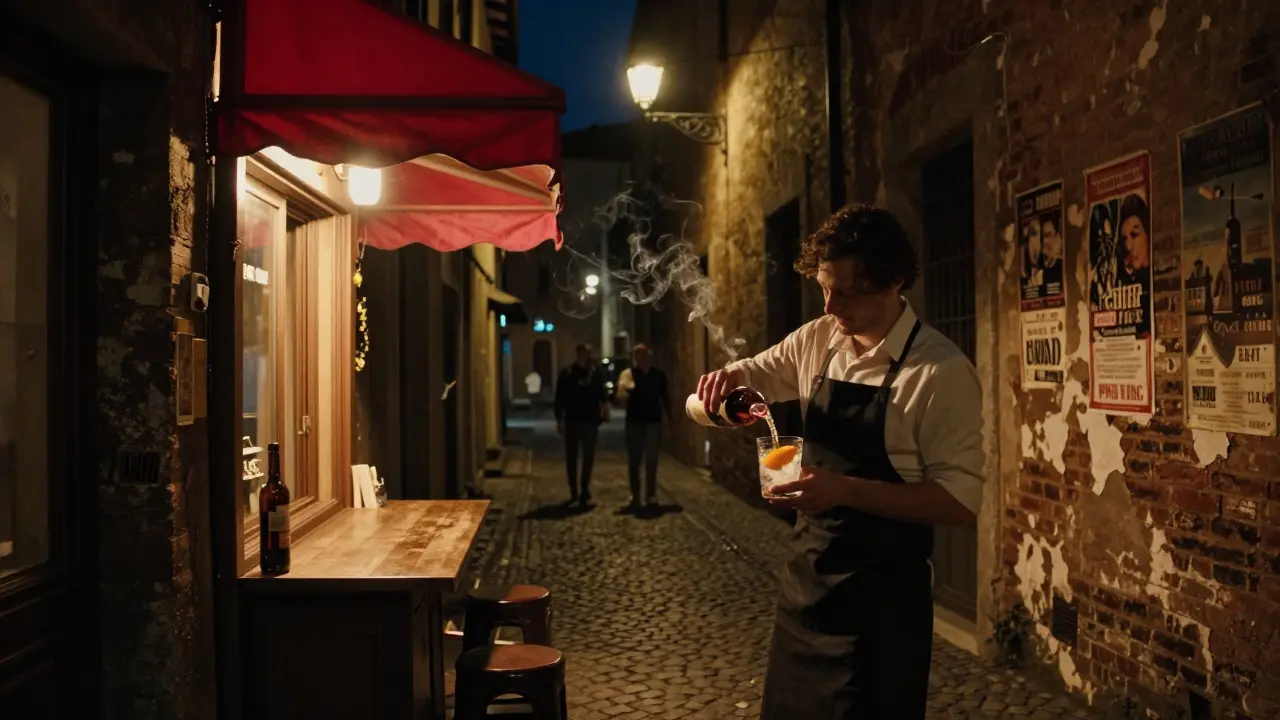
Navigli is beautiful at sunset. By midnight? It’s packed with British stag parties, overpriced cocktails, and DJs playing the same three songs on loop. Locals don’t go there to party-they go to drink wine on a bench and watch the world pass by. If you want to actually feel the pulse of Milan after dark, skip the canal-side bars and head west toward the Porta Ticinese neighborhood. This is where students, artists, and bar owners from the 90s still gather. The streets here smell like espresso, cigarette smoke, and old leather. You’ll find Trattoria da Gianni-a tiny, unmarked place with no sign, just a red awning. Inside, the bartender doesn’t speak English. He asks if you want prosecco or vermouth. Say vermouth. He’ll pour you a glass over ice with a slice of orange and a splash of soda. No menu. No prices on the board. You pay when you leave. It costs 6 euros. That’s how you know you’re in the right place.
Where the Real Clubs Hide
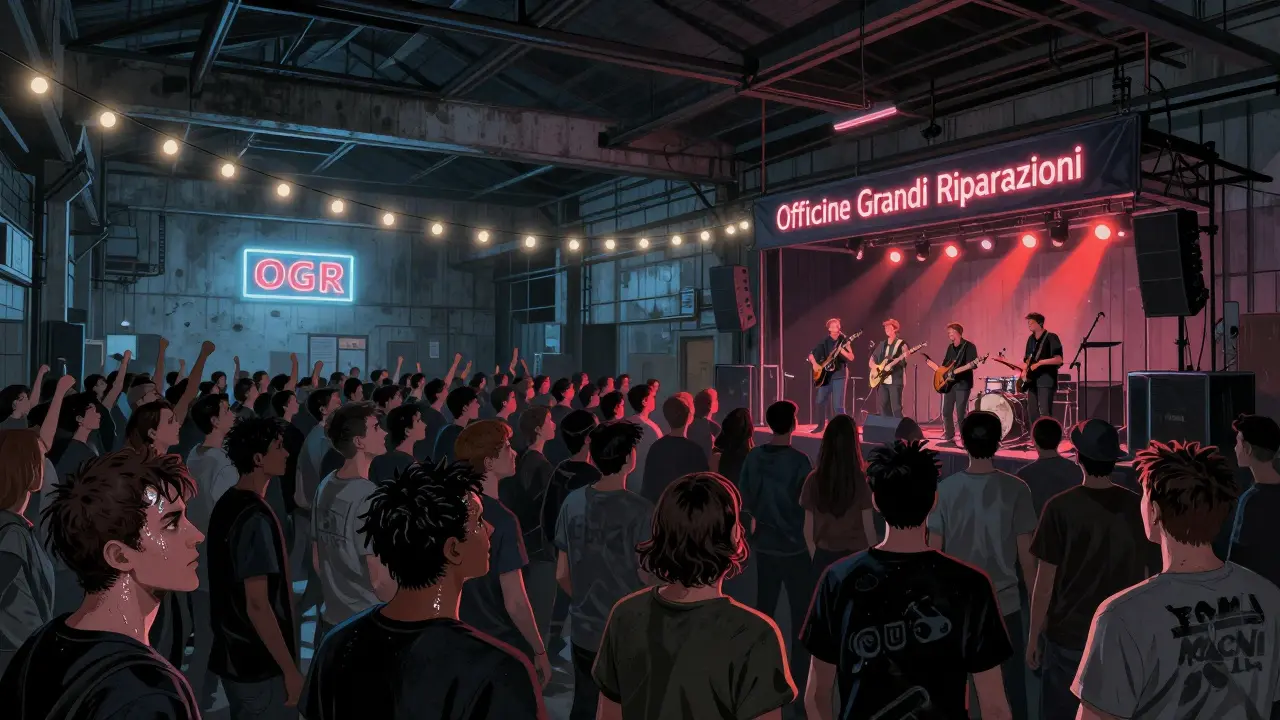
Most guidebooks list La Scala or Bocconi as top clubs. But those are for tourists with credit cards and dress codes. The real clubs in Milan are hidden. Think industrial warehouses, basement rooms under bookshops, or rooftops above parking garages. The most famous one? Officine Grandi Riparazioni (OGR). It’s not on Instagram. You hear about it from a friend of a friend. It opens at midnight on Fridays and stays open until dawn. No bouncers checking IDs. Just a guy in a hoodie who nods when you say your name. Inside, it’s concrete, cold, and loud. The music changes every hour-sometimes techno, sometimes jazz, sometimes a live band playing Italian punk. You won’t find a VIP section. You won’t find a coat check. You’ll find 300 people dancing like no one’s watching. That’s Milan.
Know the Rules-Even the Unwritten Ones
Here’s what no one tells you: Milanese nightlife runs on rhythm, not rules. There’s no 2 a.m. cutoff. Bars stay open until the last person leaves. But there are customs you can’t ignore.
- Don’t order a mojito. No one does. If you want something sweet, go for a Aperol spritz or Campari soda. Anything else makes you look like you’re trying too hard.
- Don’t ask for a menu. In most local bars, you just say what you want. If you hesitate, the bartender will move on. It’s not rude-it’s efficient.
- Don’t show up before 11 p.m. The city doesn’t wake up until then. If you’re there at 9 p.m., you’re either a tourist or a waiter.
- Don’t leave a tip. Service is included. Leave extra only if you really liked the drink. A euro or two is enough.
The Best Time to Go
Winter? Too quiet. Summer? Too packed. The sweet spot is late spring and early fall. March through May, and September through October. The weather is mild, the crowds are thin, and the locals are relaxed. In April, you’ll find Bar Basso-the birthplace of the Aperol spritz-packed with people who actually know why it was invented. It’s not a tourist trap. It’s a monument. They still use the same glass. The same orange. The same ratio of prosecco to Aperol to soda. If you order one here, you’re not drinking a cocktail. You’re drinking history.
Where to Eat After Midnight
Most bars don’t serve food. But Milan doesn’t sleep hungry. After 1 a.m., head to Trattoria da Vittorio in the Brera district. It’s open 24 hours on weekends. The menu is handwritten on a chalkboard. The risotto is creamy. The cotoletta is fried just right. You’ll sit next to a group of lawyers who just finished a late meeting. Or a painter who’s been working since 6 a.m. They’ll offer you a bite. You’ll say yes. You won’t remember the food. You’ll remember the silence between the laughter.
What to Wear
Forget jeans and sneakers. Milan doesn’t care about luxury brands. It cares about fit. A simple black turtleneck. Dark trousers. Clean shoes. No logos. No hats. No baggy jackets. You don’t need to look rich. You just need to look like you belong. Locals wear the same thing every night. It’s not fashion-it’s identity.
Don’t Try to Dance Like a Local
Here’s the truth: Milanese people don’t dance like you see in videos. No one’s doing the worm. No one’s jumping. No one’s holding their hands in the air. People sway. They lean into the beat. They move like they’re thinking, not performing. If you try to copy what you’ve seen online, you’ll look ridiculous. Just stand near the speakers. Let the music move you. That’s all it takes.
When to Leave
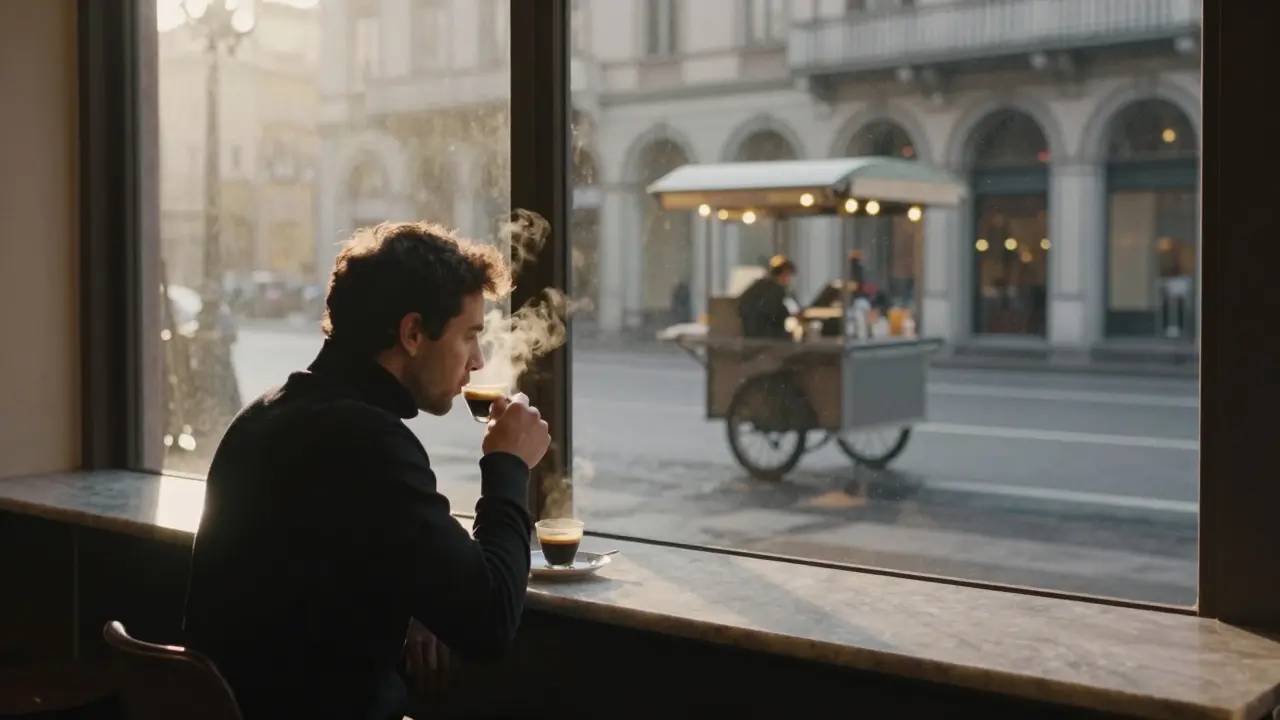
There’s no magic hour. But if you’re still at the bar after 4 a.m., you’re not partying-you’re waiting for the sun. The real night ends when the first coffee cart rolls out on the street. That’s usually around 5:30 a.m. Walk to Caffè Cova on Piazza della Scala. Order a caffè latte and watch the city wake up. The same people who were dancing two hours ago are now sipping espresso, talking about work, politics, or last night’s music. That’s Milan. It doesn’t end. It just changes.
What time do Milan bars actually open for nightlife?
Most local bars don’t really "open" for nightlife until after 11 p.m. Before that, they’re quiet cafes or wine shops. The real energy starts around midnight, especially on weekends. Clubs and underground venues often don’t even open their doors until 1 a.m. or later. If you show up before 11 p.m., you’ll mostly see people having dinner or finishing work drinks.
Is it safe to walk around Milan at night?
Yes, Milan is generally very safe at night, especially in areas like Porta Ticinese, Brera, and Zona Tortona. These neighborhoods are well-lit, populated, and patrolled. Avoid isolated streets near the train station after midnight. Stick to main roads and areas where locals are hanging out. If you’re unsure, follow the crowd-they know where it’s safe.
Do I need to speak Italian to enjoy Milan’s nightlife?
You don’t need to be fluent, but knowing a few phrases helps. Saying "Un vermouth, per favore" or "Quanto costa?" shows respect. Most bartenders understand English, but they appreciate the effort. If you don’t try, you’ll miss out on the small moments-the wink when they hand you the right glass, the nod when you get the order right. Those are the parts that make it feel like home.
Are there any dress codes I should know about?
Most bars have no dress code. But underground clubs and upscale lounges might. The rule of thumb: no shorts, no flip-flops, no sportswear. A dark turtleneck, clean jeans, and leather shoes will get you in anywhere. You don’t need designer labels. You need to look put-together. Locals dress to blend in, not to stand out.
What’s the best way to find hidden bars and clubs?
Ask someone who works late. Bartenders, taxi drivers, bookstore clerks-they all know. Don’t search online. No hidden spot is on Google Maps. Walk around after 1 a.m. in Porta Ticinese or near Via Solferino. Look for places with no sign, a single light on, or a line of people waiting. If it feels secret, it’s probably real.
How much should I expect to spend on a night out in Milan?
A vermouth or Aperol spritz costs 6-8 euros. A cocktail at a trendy bar is 12-15. Club entry is usually free, but drinks range from 10-18 euros. If you eat at a late-night trattoria, a meal will run 15-25 euros. You can have a full night out for under 60 euros if you stick to local spots. Skip the tourist traps-they’re twice the price for half the experience.
If you want to feel Milan’s soul after dark, don’t look for the party. Look for the rhythm. The hum of conversation. The clink of glasses. The silence between songs. It’s not about how loud it gets-it’s about how deep it goes.