The Best Nightlife in Milan: A Guide to the City's Hottest Nightlife Spots
When the sun sets in Milan, the city doesn’t sleep-it transforms.
Forget the quiet, elegant streets of Brera by day. At night, Milan becomes a pulsing mix of underground jazz lounges, rooftop cocktails, techno clubs, and stylish wine bars that draw locals and visitors alike. This isn’t just partying-it’s a cultural ritual. Milanese nightlife isn’t about loudness; it’s about taste, timing, and knowing where to look. If you want to experience it right, you need to know the neighborhoods, the opening hours, and the vibe of each spot. Here’s where the real action happens.
Brera: Where Art Meets Cocktails
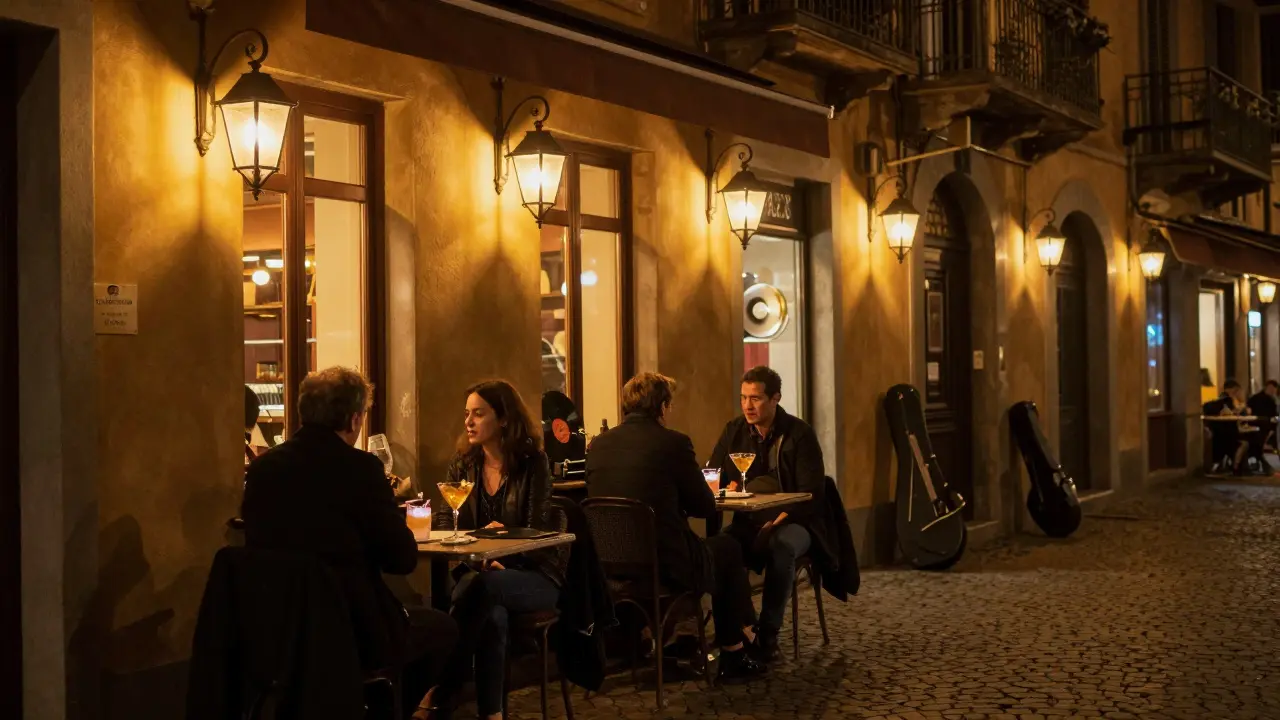
Brera is Milan’s answer to Paris’s Left Bank. By day, it’s all about galleries and vintage bookshops. By night, it’s where the city’s creatives unwind over craft cocktails and live acoustic sets. Start at Bar Basso, the legendary bar that invented the Negroni Sbagliato. It’s small, dimly lit, and packed every night-no reservations, no fuss. Just show up, order a drink, and soak in the history. Walk a few steps to Il Gatto Nero, a moody wine bar with over 200 bottles and a rotating selection of Italian natural wines. You won’t find neon signs or DJs here. Instead, you’ll hear jazz from a vinyl record, see locals debating art over a glass of Barolo, and feel like you’ve stumbled into a secret.
Navigli: The Canals Come Alive
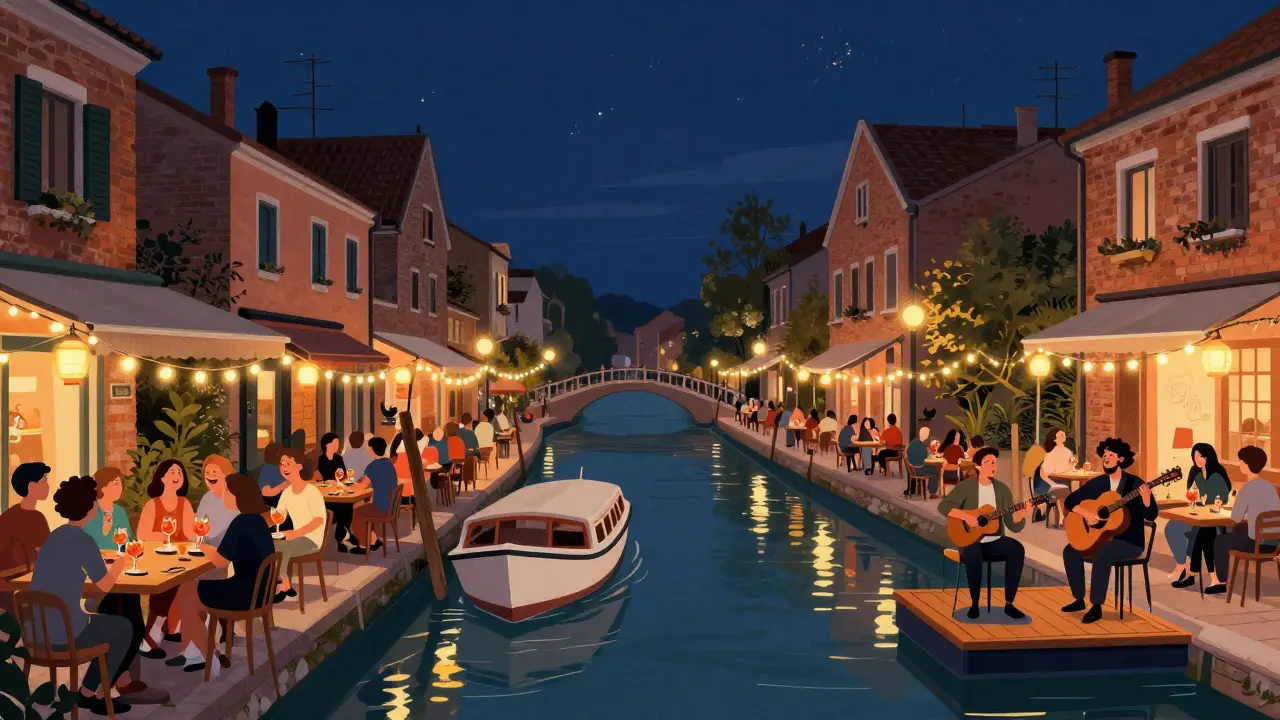
Just south of the city center, the Navigli district is where Milan’s nightlife gets its groove on. Two canals, lined with lantern-lit terraces, turn into one long party strip after dark. The best time to go? Friday and Saturday, starting around 9 p.m. Bar Vittoria is the oldest pub in the area, serving cheap beer and hearty Milanese snacks like panzerotti. For something more upscale, head to La Bicicletta, a trendy spot with a rooftop garden and cocktails named after Italian films. Don’t miss Bar Basso Navigli-yes, the same iconic bar, but with outdoor seating and a more relaxed crowd. The area stays lively until 2 a.m., with people hopping from terrace to terrace, sipping Aperol spritzes and laughing under string lights.
Porta Ticinese: The Underground Scene
If you’re looking for something raw, real, and a little rebellious, Porta Ticinese is your zone. This neighborhood used to be a gritty industrial area. Now, it’s Milan’s answer to Berlin’s Kreuzberg. The streets are lined with converted warehouses turned into clubs, art spaces, and live music venues. La Scala isn’t the opera house-it’s a gritty basement club that books underground DJs from across Europe. No bouncers, no dress code, just music that drops hard after midnight. Nearby, Ex Manifattura Tabacchi is a massive industrial complex that hosts themed parties every weekend-think 80s retro nights, techno marathons, or vinyl-only sets. It’s not polished, but it’s authentic. Locals come here to escape the tourist traps. If you want to feel like a Milanese insider, this is where you go.
Corso Como: The Fashionable Night
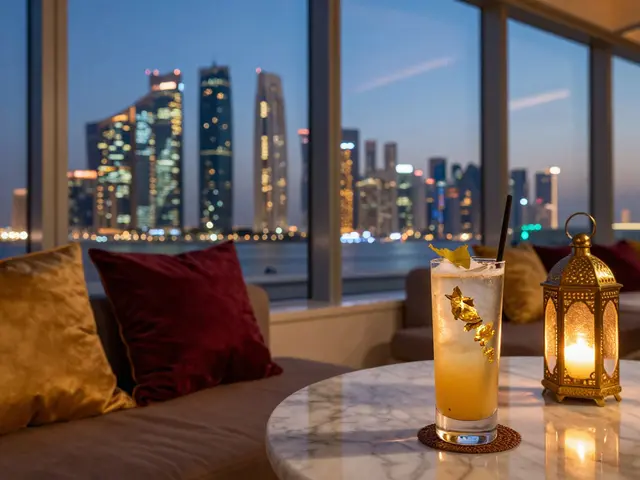
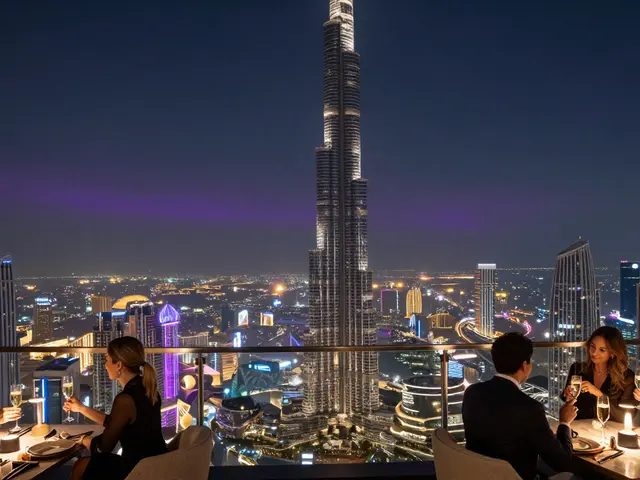
For those who want nightlife with a side of style, Corso Como is the place. It’s not a club-it’s a lifestyle. The area centers around Corso Como 10, a multi-level venue that doubles as a design showroom, restaurant, and club. The ground floor is a sleek Italian eatery. The basement? A velvet-lined lounge with DJs spinning deep house and disco. The rooftop? A garden bar with panoramic views of the city skyline. It’s the kind of place where models, architects, and entrepreneurs mix over prosecco and truffle fries. It opens at 7 p.m. and doesn’t hit peak energy until after 1 a.m. The vibe is cool, quiet, and effortlessly chic. You won’t find crowds here-you’ll find connections.
Zone 5: The New Hotspot
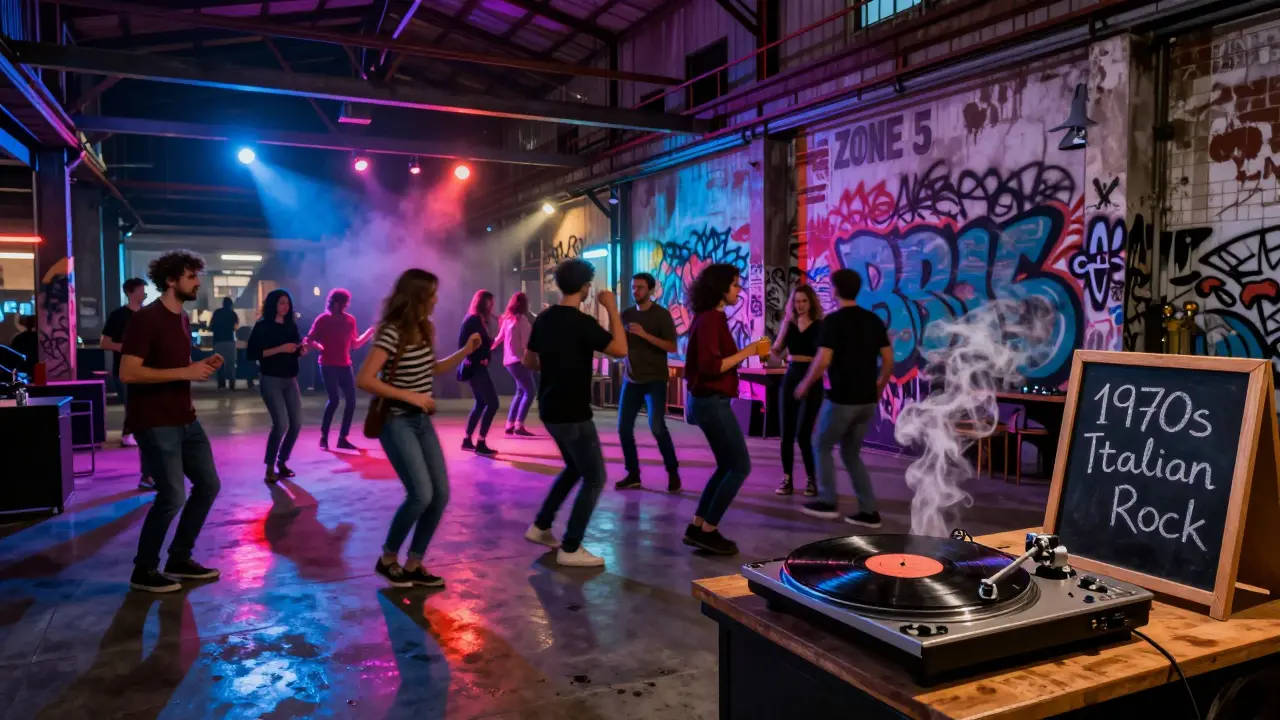
Zone 5, once a forgotten industrial zone near the airport, has exploded in the last two years. It’s now the most talked-about nightlife district in Milan. The secret? Officine Bocconi, a former factory turned into a multi-space cultural hub. On weekends, it hosts everything from underground techno parties to poetry slams. The music here isn’t for dancing-it’s for feeling. Another standout is Bar San Marco, a tiny, no-frills bar that serves only local craft beers and aperitivi. It’s run by a former DJ who now only books vinyl sets from 1970s Italian prog rock. The crowd? Students, artists, and expats who refuse to conform. If you’re looking for the next big thing in Milan nightlife, this is it. The energy here is electric, unpredictable, and totally unscripted.
What Time Do Places Actually Open?
One thing tourists always get wrong: Milan doesn’t party like London or New York. Bars open around 7 p.m. for aperitivo, but clubs don’t really get going until 1 a.m. or later. Most places close by 3 a.m., though a few, like Ex Manifattura Tabacchi, stay open until 5 a.m. on weekends. The aperitivo tradition is key-pay around €10-€15 for a drink, and you get a buffet of snacks that could pass for dinner. It’s the best value in the city. Don’t show up before 11 p.m. unless you want to sit alone. And don’t expect to walk into a club at 10 p.m. and dance. The real party starts when the city’s workers get off shift.
What to Wear
Milanese nightlife has rules-even the underground ones. You don’t need a suit, but you do need to look intentional. No sneakers, no hoodies, no baseball caps. Think dark jeans, a sharp shirt, and boots. Women wear minimalist dresses or tailored separates. The rule of thumb? If you look like you just left your apartment, you won’t get in. Even in Zone 5, where the vibe is relaxed, people dress like they care. It’s not about being rich-it’s about being present. And yes, there’s a bouncer at every major spot. They’re not mean, but they’re strict. If you’re dressed like a tourist, you’ll wait outside.
How to Get Around
Milan’s metro runs until 1 a.m. on weekdays and 2 a.m. on weekends. After that, you’ll need a taxi or ride-share. Uber and Bolt work fine, but local apps like FreeNow are cheaper. Walking is fine in Brera and Navigli, but avoid it in Zone 5 or Porta Ticinese after midnight. Public transport shuts down, and the streets get quiet. A good tip? If you’re going to a club, book a taxi before you leave. Waiting 20 minutes for a ride after the music ends is the fastest way to kill the vibe.
Why Milan’s Nightlife Stands Out
Milan doesn’t have 500 clubs like Berlin or 100 rooftop bars like Miami. What it has is depth. Every neighborhood has its own rhythm. Brera is poetic. Navigli is playful. Porta Ticinese is rebellious. Corso Como is elegant. Zone 5 is experimental. You don’t just go out here-you explore a city through its nights. And that’s what makes it unforgettable. You’ll leave with more than photos. You’ll leave with stories.
What’s the best night to go out in Milan?
Friday and Saturday nights are the peak. Bars and clubs are busiest, and the energy is highest. Thursday is a good option if you want a quieter vibe-many spots host live music or themed nights midweek. Sunday is usually dead unless there’s a special event. Avoid Monday and Tuesday unless you’re looking for a quiet drink.
Is Milan nightlife expensive?
It depends. Aperitivo in Brera or Navigli costs €10-€15 and includes food. Cocktails at upscale spots like Corso Como 10 run €18-€25. Club entry is usually free before midnight, but after that, you might pay €5-€10. The good news? You can have a full night out for under €50 if you stick to local bars and skip the tourist traps. Luxury venues charge more, but you don’t need to spend that much to have a great time.
Do I need to speak Italian to enjoy Milan nightlife?
No, but it helps. Most bartenders and club staff speak English, especially in tourist areas. But if you ask for a drink in Italian-"Un Aperol spritz, per favore"-you’ll get better service and sometimes even a free snack. Locals appreciate the effort. You don’t need to be fluent. Just learn three phrases: "Grazie," "Un altro, per favore," and "Dove si va dopo?" (Where do we go next?).
Are there any LGBTQ+-friendly spots in Milan?
Yes. Bar Luce in Brera is a quiet, welcoming spot for queer patrons. Club 69 in Porta Ticinese is a long-standing LGBTQ+ nightclub with drag shows and themed parties. La Scala also hosts regular queer nights. Milan is one of Italy’s most open cities for LGBTQ+ nightlife. You’ll feel safe and included anywhere you go, as long as you respect the local vibe.
Can I go to a club alone in Milan?
Absolutely. Milan is one of the most solo-friendly nightlife cities in Europe. People are used to seeing individuals at bars and clubs. You’ll see solo diners at aperitivo, solo drinkers at jazz bars, and solo dancers at techno clubs. Don’t be shy. Strike up a conversation at the bar. Milanese people are curious, not rude. You might end up with a new friend-or a great recommendation for the next spot.