The History of Escorting in Milan: From Glamour to Gray Zones
Milan wasn’t always known for its fashion runways and Michelin-starred restaurants. Long before designers like Armani and Versace turned the city into a global style capital, its streets held a quieter, more secretive kind of allure - one tied to companionship, discretion, and social performance. The history of escorting in Milan stretches back over a century, weaving through wars, economic booms, and shifting moral codes. It’s not a story of crime or exploitation alone, but of survival, social mobility, and the quiet negotiation of desire in one of Europe’s most polished cities.
Early 20th Century: The Rise of the Companion Class
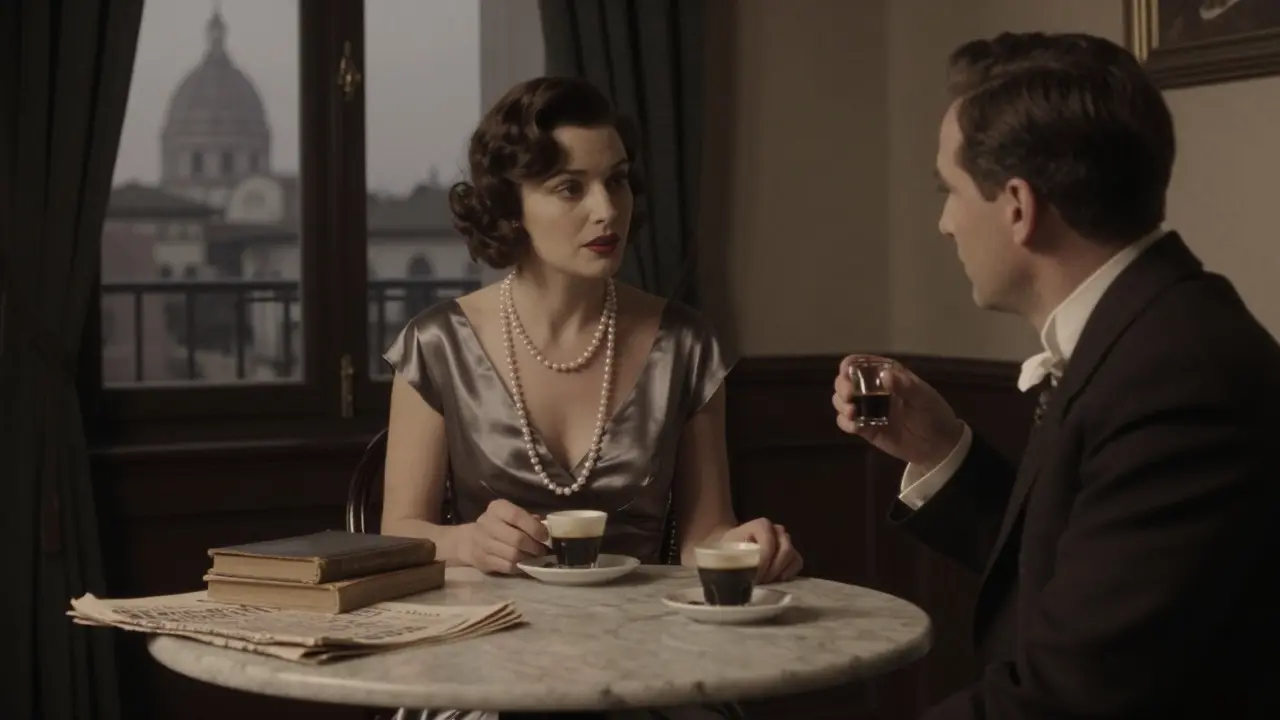
In the 1920s and 30s, Milan was a city of rapid industrialization. Wealthy industrialists, bankers, and diplomats moved through its grand piazzas, but many lived isolated lives behind closed doors. Women - often from modest backgrounds - began offering companionship as a service. These weren’t streetwalkers. They were comitivi, a term used locally to describe women who attended dinners, theater performances, and social gatherings as escorts. They dressed well, spoke multiple languages, and knew how to navigate elite circles without drawing attention.
Unlike in Rome or Naples, where prostitution was more openly tolerated, Milan’s upper class preferred discretion. The city’s aristocracy valued appearances. A woman who could hold a conversation about Puccini or the latest textile trends was more valuable than one who offered physical intimacy. Many of these women lived in small apartments near Brera or Porta Venezia, and their clients were often introduced through word of mouth or trusted intermediaries.
Post-War Boom: The Golden Age of Discretion
After World War II, Milan became Italy’s economic engine. The miracolo economico brought foreign investors, Hollywood stars on film shoots, and American GIs stationed nearby. Demand for companionship soared. Women who had worked in factories during the war now found themselves in demand for a different kind of labor.
By the 1960s, escort agencies began to emerge - not as brothels, but as matchmaking services. One of the first known, Atelier di Compagnia, opened in 1958 near Piazza Duomo. It didn’t advertise in newspapers. Its clients were vetted. Prospective escorts underwent interviews, language tests, and even etiquette training. The agency’s founder, a former opera singer named Elena Moretti, insisted: “We sell presence, not bodies.”
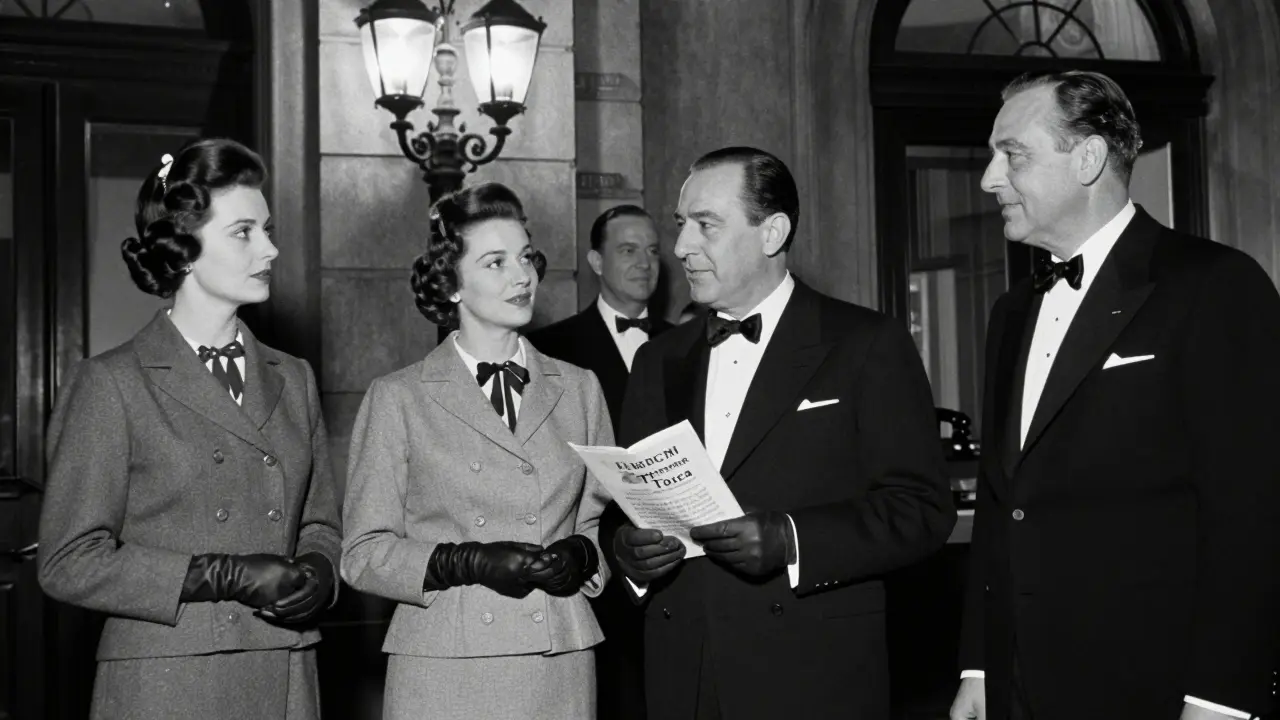
Photographs from the era show women in tailored suits, holding books or sipping espresso, posing with clients at the Teatro alla Scala. These weren’t images of prostitution. They were portraits of social currency. A man could be seen with a beautiful, intelligent woman - and no one would question the nature of their relationship.
The 1980s and 90s: Fashion, Fame, and the Blur
As Milan became the fashion capital of the world, the escort industry adapted. Models, actresses, and aspiring designers began offering companionship as a side gig. The lines between modeling agencies, talent scouts, and escort services blurred. Some women were signed to agencies that promised “exclusive social opportunities.” Others were recruited from art schools, told they’d meet “important people.”
In 1991, a scandal broke when a prominent fashion photographer was caught on hidden camera arranging meetings between clients and young women under the guise of “casting calls.” The case didn’t lead to major arrests - Milan’s legal system rarely pursued escorting unless violence or trafficking was involved. But it did force agencies to become more cautious. Many shifted to online platforms, using coded language: “cultural companion,” “event support,” “private concierge.”
By the late 90s, English was becoming the lingua franca of Milan’s elite. Foreign clients - from London, New York, Tokyo - began seeking women who could speak fluent English, understand Western etiquette, and navigate international social norms. The new standard wasn’t just beauty. It was cultural fluency.
2000s to 2020s: Digital Transformation and Legal Ambiguity
The rise of the internet changed everything. In 2005, websites like MilanCompanion.it and PrivateMilan.com began appearing. These weren’t crude classifieds. They were sleek, minimalist sites with professional photos, biographies, and curated profiles. Women listed their interests: “loves opera, speaks Mandarin, enjoys slow dinners in Navigli.”
Italy’s laws never criminalized escorting itself - only pimping, trafficking, or public solicitation. So as long as women worked independently, paid taxes, and avoided street-based activity, they operated in a gray zone. Many registered as freelance consultants, event planners, or private tutors to comply with bureaucracy.
By 2020, over 70% of Milan’s escort service providers operated entirely online. Apps like CompanionLink and MilanMeet became popular, allowing users to filter by language, age, interests, and even political views. A 2023 survey by the Milan Chamber of Commerce estimated that over 3,000 women in the city were working in independent companionship roles, generating an estimated €180 million annually.
What’s striking is how normalized it’s become. A 2024 report from the University of Bocconi found that 1 in 4 Milanese men between 35 and 55 had hired a companion at least once - not for sex, but for conversation, travel companionship, or emotional support. For many women, it’s not a last resort. It’s a career choice.
Who Are the Women Today?
Today’s escorts in Milan are diverse. There are university graduates with degrees in literature and international relations. There are former diplomats, retired ballet dancers, and single mothers running side businesses. Some work full-time. Others take one client a week to fund their art school tuition.
One woman, who asked to be called Sofia, works as a freelance translator by day and hosts private dinners for clients at night. “I don’t sell sex,” she told a local journalist in 2023. “I sell silence. I sell the feeling that someone finally listens to you.”
Another, a 42-year-old ex-model from Sicily, now runs a small agency for older women. “Men in their 60s don’t want teenagers,” she said. “They want someone who remembers the world before smartphones. Someone who can talk about the first time they saw the Mona Lisa - not just take a selfie with it.”

Why Milan? Why Now?
Milan’s history of escorting is unique because it never fully crossed into the realm of vice. It stayed close to the edges of respectability. The city’s obsession with image, social status, and elegance created a space where companionship could exist without stigma - as long as it remained private.
Compare this to Paris, where escorting is openly discussed in media, or Berlin, where it’s fully legalized and regulated. Milan’s model is quieter, more nuanced. It’s not about breaking rules. It’s about knowing which ones can be bent - and who gets to decide.
Today, the city’s escort scene thrives not because of lawlessness, but because of social intelligence. It’s a reflection of a society that values emotional labor as much as physical beauty. And in a world increasingly disconnected, that’s a service many are willing to pay for.
What’s Next?
The future of escorting in Milan won’t be about more ads or bigger apps. It’ll be about legitimacy. Some women are pushing for formal recognition - not as sex workers, but as professional companions. A new association, Associazione Italiana Compagni, was founded in 2025 to advocate for legal protections, tax clarity, and mental health support.
They’re not asking for legalization. They’re asking for acknowledgment.
And in a city that built its reputation on style, precision, and quiet elegance - that might just be enough.