The History of Escorts in Paris: From Royal Courts to Modern Companionship
Paris has long been a city of romance, art, and secrets. But behind its cobblestone streets and café-lit boulevards lies a quieter, older story - one of companionship, power, and survival. The history of escorts in Paris isn’t just about sex work. It’s about social mobility, gender roles, political influence, and how people have always found ways to connect - for money, comfort, or control.
Medieval Paris: The First Paid Companions
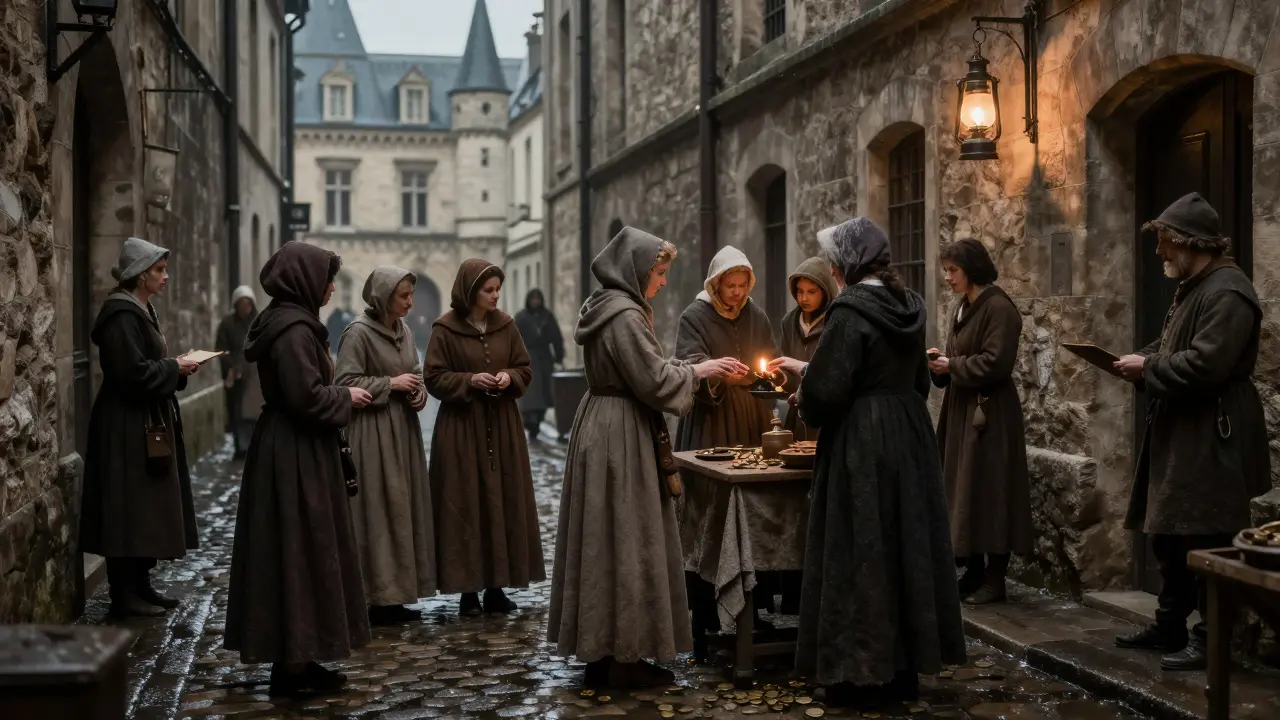
In the 13th century, Paris wasn’t just a center of theology and trade - it was also home to women who offered more than just conversation. While prostitution was technically illegal, it was tolerated in certain districts like the Rue des Mauvais-Grains. These women weren’t called "escorts" yet, but they were paid for company, travel, and intimacy. Many were widows or daughters of poor artisans who had no inheritance. Their clients? Merchants, clerks, even minor nobles who couldn’t marry for love or status.
Unlike later eras, there was no glamour here. These women lived in crowded alleys, often under the watch of local authorities who taxed their earnings. Records from the Châtelet, Paris’s medieval police force, show fines issued for "immodest conduct," but rarely arrests. The city needed them. They kept the streets alive after dark, and they kept men from causing trouble elsewhere.
The Ancien Régime: Courtesans as Political Tools
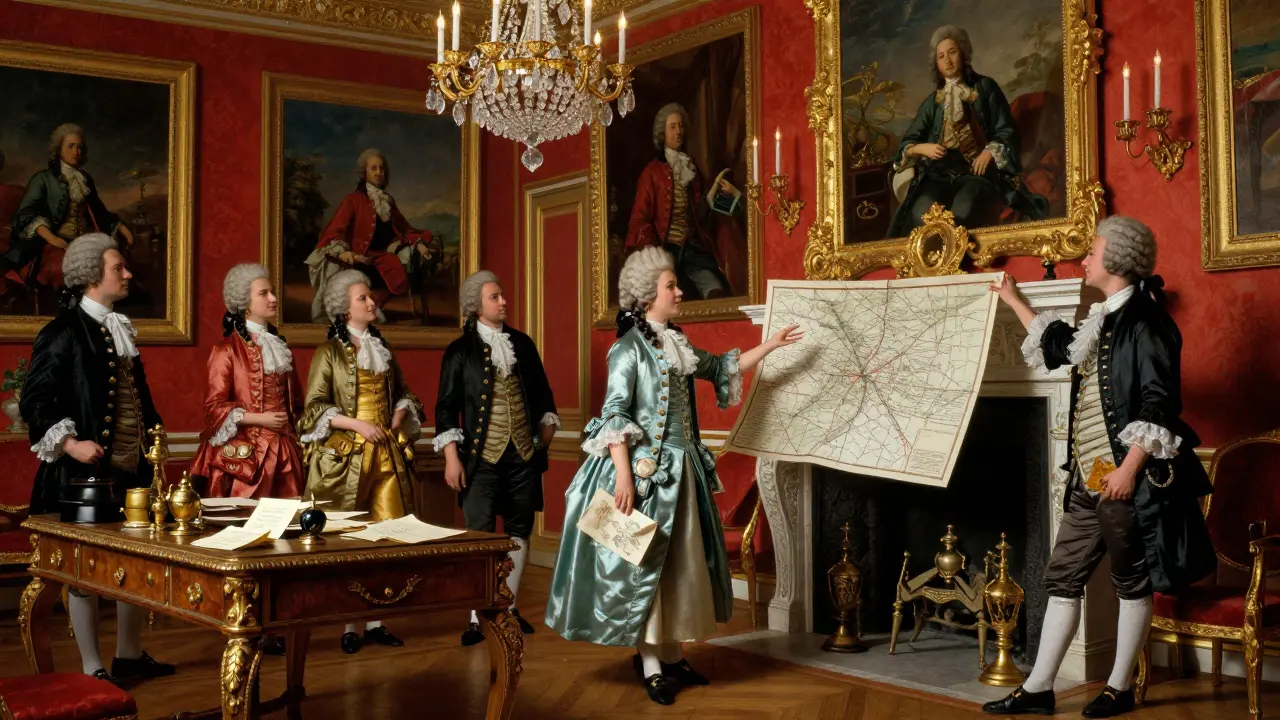
By the 1700s, Paris had transformed. The rise of salons, opera houses, and royal courts turned companionship into an art form. This was the golden age of the courtisane - educated, elegant women who moved between aristocratic circles and the royal court. They weren’t just lovers; they were advisors, translators, and influencers.
Madame de Pompadour, mistress of Louis XV, didn’t just sleep with the king - she shaped French art, politics, and even foreign policy. She chose ministers, funded artists like Boucher, and helped steer France into the Seven Years’ War. Her influence was so deep that historians now argue she was one of the most powerful women in Europe - not because of her title, but because of her role as a companion.
Other famous courtesans like Juliette Récamier and Madame du Barry lived in grand hôtels on the Right Bank, hosted intellectuals like Voltaire, and wore jewels worth more than entire provinces. They were wealthy, feared, and often hated - but never ignored. Their power came from being indispensable: they offered beauty, wit, and discretion in a world where marriage was a contract, not a choice.
The 19th Century: The Birth of the Modern Escort
The French Revolution didn’t end prostitution - it just changed its rules. With the nobility gone, a new class of wealthy bourgeois emerged. They didn’t want mistresses tied to royalty - they wanted companions who were polished, discreet, and portable.
This is when the term "escort" began to appear in Parisian newspapers. Women like La Païva and Cora Pearl became celebrities. Cora, a former English governess, earned 20,000 francs a month in the 1860s - more than a factory owner. She owned a mansion on the Champs-Élysées, drove a gold-trimmed carriage, and threw parties attended by diplomats and writers.
Paris became the first city in Europe to regulate prostitution openly. In 1804, Napoleon introduced the registre des prostituées - a government registry. Women had to register, get monthly medical exams, and carry identification. It wasn’t about morality - it was about control. The state wanted to keep syphilis out of the army and prevent public scandals.
But regulation didn’t stop demand. In fact, it created a two-tier system: registered prostitutes worked in brothels, while unregistered escorts served private clients in luxury apartments. The latter were more expensive, more protected, and far more influential. They were the original high-end companions - the ones who could open doors to salons, galleries, and even government offices.
20th Century: War, Change, and Silence
The World Wars changed everything. During WWI, Paris saw an explosion of demand. Soldiers on leave wanted comfort, and women - many widowed or displaced - stepped in. The city’s brothels were officially sanctioned by the military. But after the war, public opinion shifted. Feminism grew. Women gained the right to vote in 1944. The idea of selling companionship became harder to justify.
By the 1950s, brothels were being shut down. The 1946 Loi Marthe Richard outlawed them completely. But prostitution didn’t disappear - it went underground. Escorts adapted. They stopped working in houses and started working through networks: hotels, phone calls, discreet meetings in parks or private clubs.
Paris’s elite still sought companionship - just not in public. The 1960s and 70s saw a rise in foreign women - from Eastern Europe, North Africa, and Southeast Asia - who brought new languages, styles, and expectations. They weren’t just offering sex. They offered cultural connection: a French-speaking companion who could navigate museums, restaurants, and business dinners.
Modern Paris: The Digital Age and Beyond
Today, the escort scene in Paris is quieter but more sophisticated than ever. No one advertises openly. Instead, profiles appear on encrypted platforms, vetted by word-of-mouth. Clients include executives, diplomats, and even celebrities who want to avoid paparazzi. The most sought-after companions are multilingual, well-traveled, and trained in etiquette - not just physical appeal.
Many now work with agencies that offer more than just dates. They provide cultural tours of the Louvre, attend opera boxes with clients, or even help with business negotiations - acting as interpreters, confidantes, or social anchors. A 2023 survey by the Paris Institute of Social Studies found that 68% of clients sought emotional companionship over physical intimacy.
Legal gray areas remain. While soliciting in public is illegal, private arrangements between consenting adults are not prosecuted. The city doesn’t ban escorts - it ignores them. This silence is the new regulation.
Why This History Matters
The story of escorts in Paris isn’t about vice. It’s about agency. For centuries, women - often poor, often marginalized - used their bodies, minds, and charm to carve out space in a world that gave them few options. They weren’t victims. They were entrepreneurs, diplomats, artists, and survivors.
Today’s companions in Paris carry that legacy. They don’t wear velvet gowns or ride in carriages - but they still navigate power, privacy, and perception. The city hasn’t changed. It just lets them do it quietly.
What You Won’t Find in Tourist Brochures
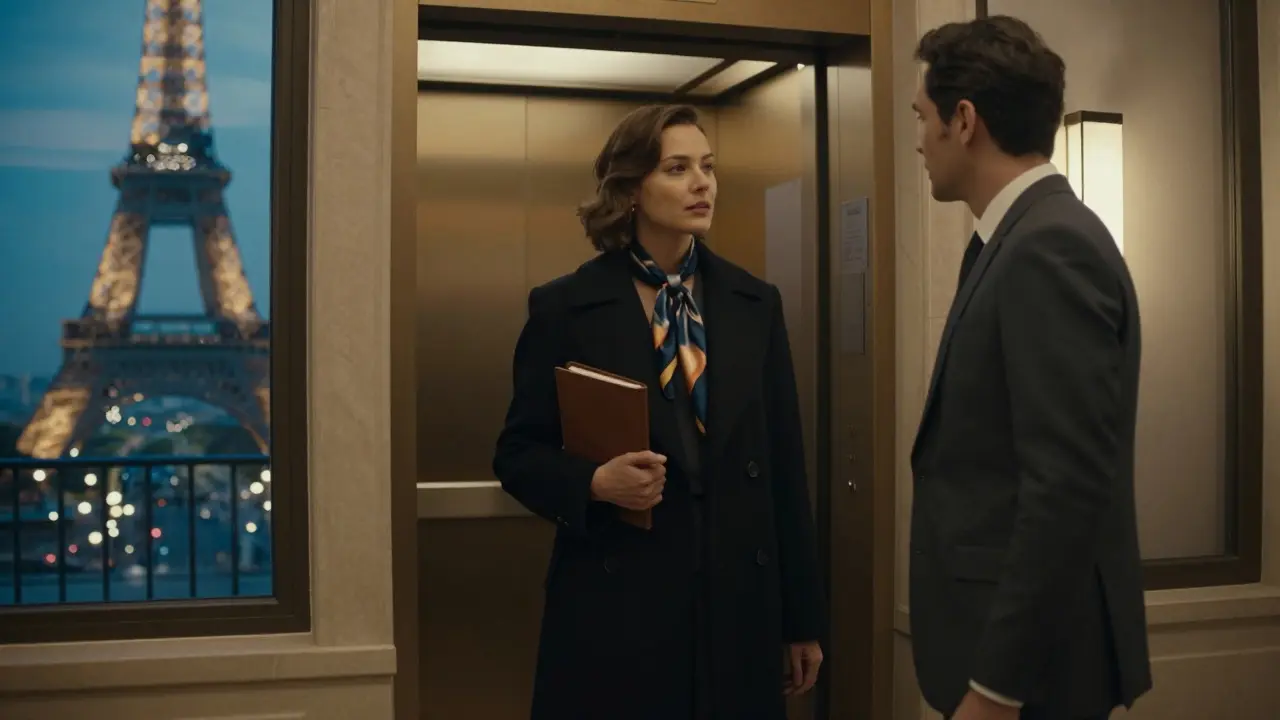
If you walk through Montmartre or Saint-Germain today, you won’t see signs for "escorts." But if you listen - really listen - you’ll hear their presence in the hushed conversations at the Café de Flore, in the private elevators of the Ritz, in the way a woman in a tailored coat leaves a dinner table with a man who isn’t her husband.
Paris never stopped needing companions. It just stopped calling them by name.
Were escorts in Paris ever legal?
Yes, but only under strict conditions. From 1804 to 1946, prostitution was regulated by the state. Women had to register, undergo medical exams, and work in licensed brothels. After the 1946 Loi Marthe Richard, brothels were banned, but private, consensual arrangements between adults were never outlawed. Today, escorting is not illegal - as long as it’s not public solicitation or organized exploitation.
How did courtesans differ from prostitutes in 18th-century Paris?
Courtesans were educated, wealthy, and socially connected. They lived in private hôtels, hosted intellectual salons, and influenced politics. Prostitutes worked in brothels or on the streets, had little social standing, and were often poor. Courtesans were seen as companions; prostitutes were seen as service providers. The difference was class, not just income.
Did any famous historical figures have Parisian escorts?
Yes. Napoleon Bonaparte had a long-term companion, Marie Walewska, who was also a political asset. Voltaire and Rousseau both had relationships with women who served as intellectual companions. Even Winston Churchill was known to hire discreet companions during his visits to Paris in the 1930s. These relationships were rarely public, but they were well-documented in private letters and memoirs.
Are modern Parisian escorts the same as those in the past?
Not exactly. While physical intimacy is still part of the arrangement for some, today’s companions often prioritize emotional connection, cultural guidance, and social access. Many are fluent in multiple languages, hold degrees, and work as independent contractors. The biggest change? Clients now pay for experience, not just presence.
Why does Paris tolerate escorts today?
Because they’re invisible. Unlike in the 1800s, when brothels were public, today’s escorts operate through private networks. The city avoids confrontation - it’s easier to ignore than to regulate. Plus, many clients are foreign dignitaries or wealthy tourists. Cracking down could damage Paris’s image as a cosmopolitan, tolerant city. Silence is the new policy.