The Hottest Nightlife in London: A Guide to the City's Trendiest Spots
London doesn’t sleep. Not really. Even at 3 a.m., you’ll find people dancing on tables in Shoreditch, sipping craft gin in a hidden basement in Mayfair, or debating the best kebab in Soho. The city’s nightlife isn’t just a list of bars and clubs-it’s a living, breathing ecosystem that changes every season. If you’re looking for the real pulse of London after dark, here’s where the energy is right now in 2026.
Shoreditch: Where the Party Started-and Still Lives
Shoreditch is the OG of London nightlife. It’s where the underground scene exploded in the early 2000s, and it’s still the heartbeat of the city’s youth culture. But don’t expect the same old indie pubs. Today, it’s a mix of high-concept lounges, 24-hour street food markets, and clubs that book global DJs you’ve only heard on SoundCloud.
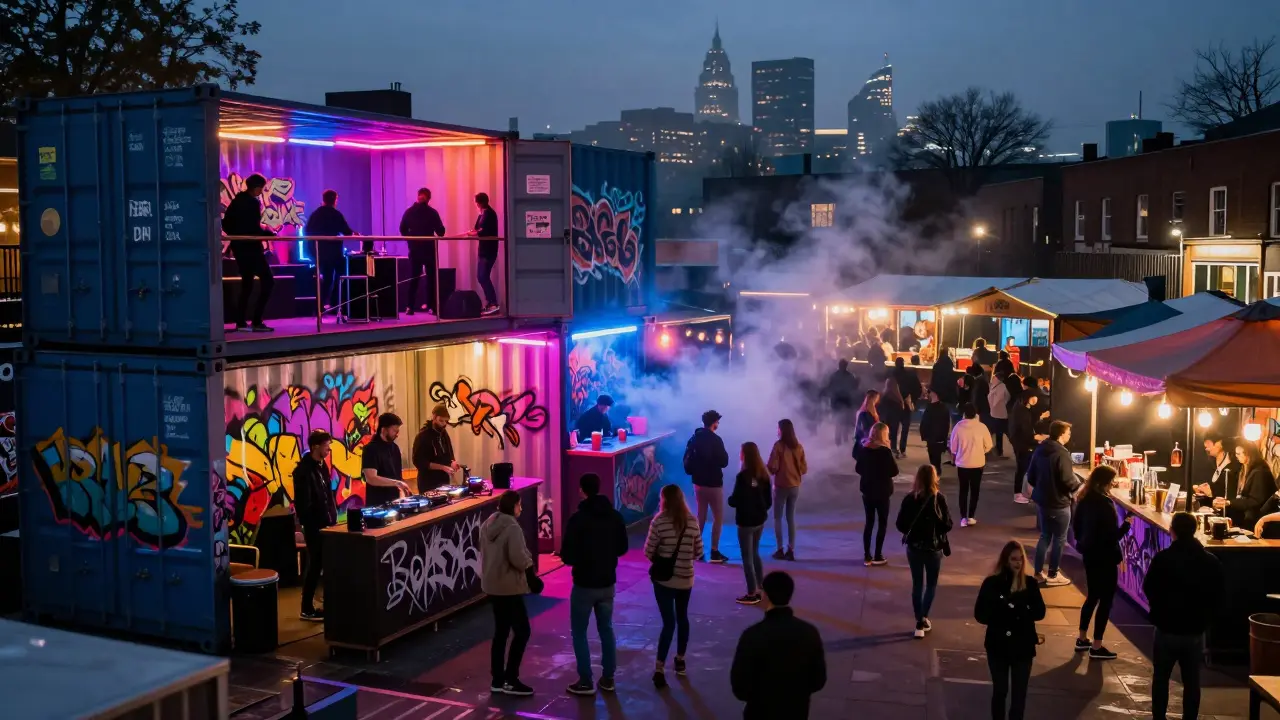
Boxpark is still a magnet for late-night crowds. It’s not a club-it’s a maze of shipping containers turned into bars, eateries, and pop-up dance floors. On weekends, the whole block turns into a street party with live graffiti artists and DJs spinning house and techno until sunrise. Nearby, THE HIDEOUT (not to be confused with the old one) is a members-only speakeasy with velvet booths, whiskey flights from Scottish micro-distilleries, and a secret rooftop garden that opens only after midnight.
If you want to dance until your feet ache, head to Printworks. Yes, it’s still open. The old printing factory turned mega-club now has a state-of-the-art sound system that vibrates your ribs. They host weekly techno nights with artists from Berlin, Tokyo, and Lagos. No VIP tables. No dress code. Just pure, unfiltered energy.
Mayfair: The Quiet Luxury of Late-Night Elegance
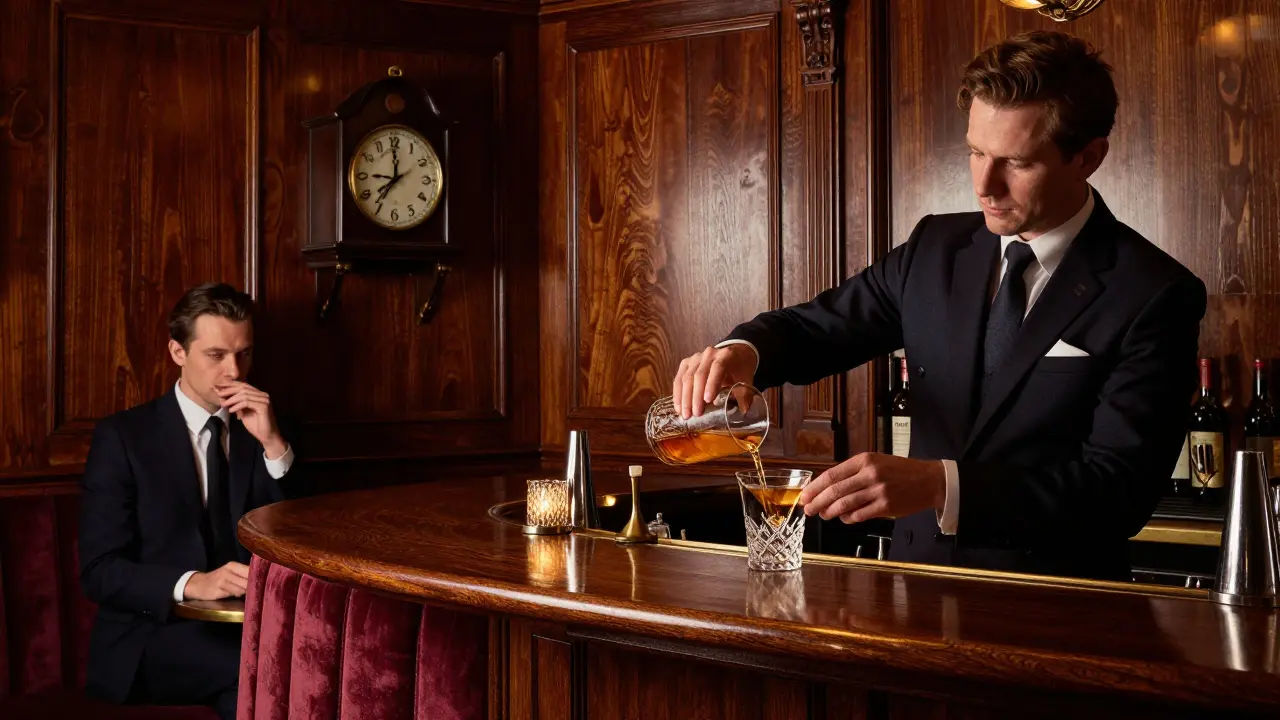
If Shoreditch is the party, Mayfair is the afterparty. This isn’t about loud music or flashing lights. It’s about silk-lined booths, 40-year-old single malts, and conversations that last until dawn. The bars here don’t advertise. You find them by word of mouth, or by following the quiet line of well-dressed people outside a nondescript door.
The Dukes Bar has been around since 1939 and still serves the original martini that James Bond supposedly invented. The bartender, Colin, has been here for 28 years. He knows your name if you come twice. Order the “Dukes Dry”-gin, a drop of vermouth, and a twist of lemon. No ice. No garnish. Just perfection.
For something newer but just as refined, try Bar 45 inside the Mandarin Oriental. It’s not a club, but it’s where London’s CEOs, artists, and celebrities unwind. The cocktails are designed by a former molecular gastronomy chef. The “Smoke & Mirrors” is a smoked mezcal sour served under a glass dome that you break open yourself. It costs £28. It’s worth every penny.
Soho: The Wild Heart of London’s Nightlife
Soho hasn’t changed much-it’s still messy, loud, and full of character. But now, it’s also the most diverse nightlife hub in Europe. You can walk from a karaoke bar where a group of Filipino friends are belting out Adele, to a queer underground ballroom party, to a rooftop cocktail lounge with views of Piccadilly-all in five minutes.
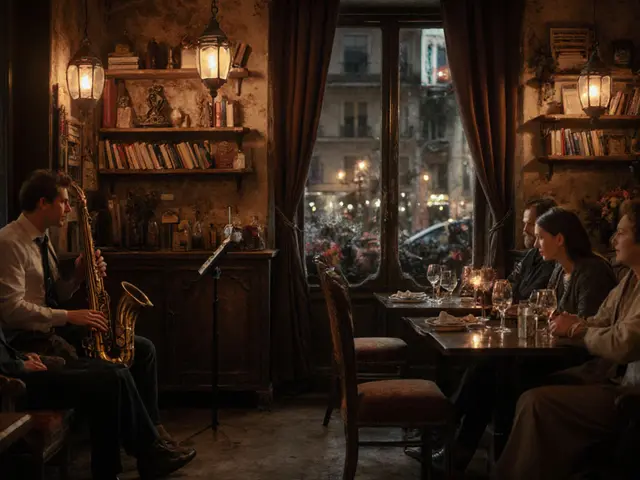
St. George’s is the new king of Soho. It’s a 1920s-style jazz bar with live bands every night. But here’s the twist: the band changes genre every hour. One hour it’s swing, the next it’s reggae, then punk. No setlist. Just pure improvisation. The crowd? A mix of tourists, locals, and musicians who just finished playing elsewhere.
For something more daring, try Wetmore’s. It’s a 24-hour gay club with drag shows, pole dancing, and themed nights like “Punk Prom” or “Tropical Trance.” It’s not fancy. It’s raw. And it’s where London’s LGBTQ+ community owns the night.
Camden: The Rock & Roll Legacy That Still Screams
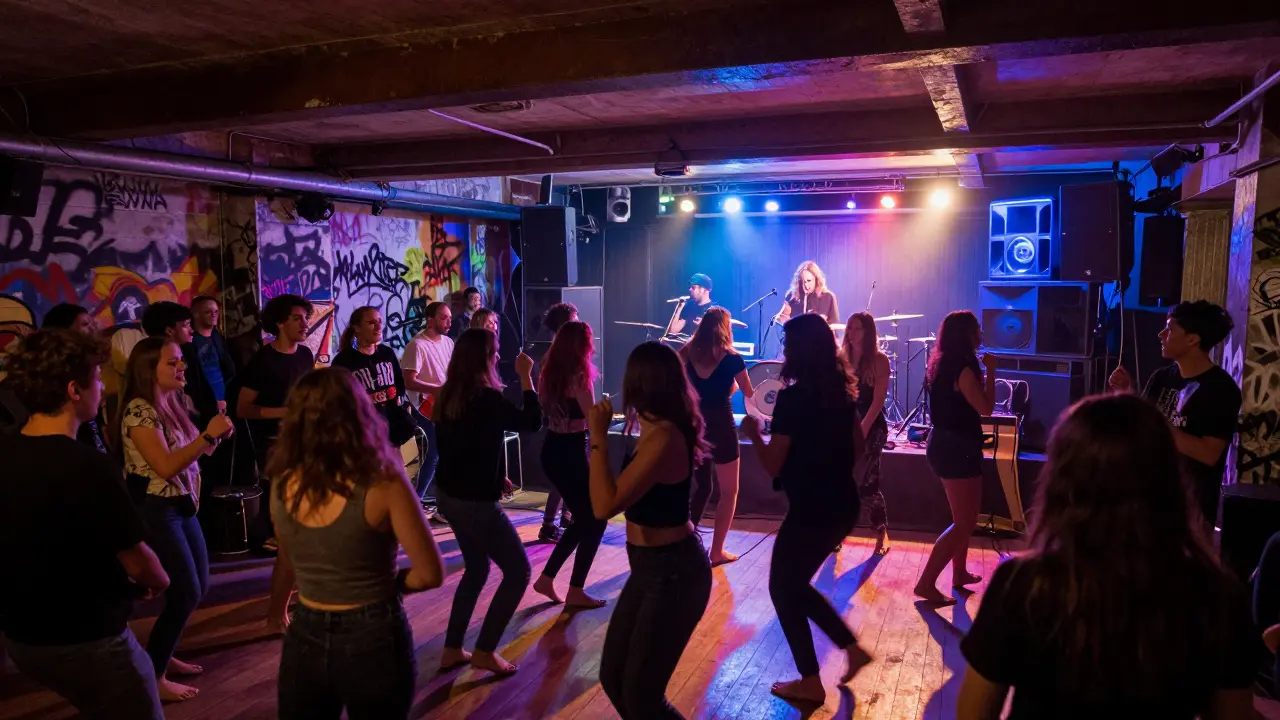
Camden isn’t just about the market. It’s about the music. Even in 2026, Camden Town is one of the few places in London where you can still find live bands playing in tiny venues for £5 cover. The crowd here isn’t here to be seen. They’re here to feel something.
The Roundhouse still hosts major acts-think Arctic Monkeys, Florence Welch, or emerging indie bands from Eastern Europe. But the real magic is in the smaller spaces. The Dublin Castle has been a pub since 1830. It’s got a back room where local punk bands play every Tuesday. The walls are covered in decades of ticket stubs and graffiti. No one’s cleaned them. No one’s supposed to.
For a more modern twist, Camden Assembly has become the go-to spot for electronic and alt-pop acts. It’s got a 1,000-person capacity, but feels intimate. The sound system? Built by a team from Abbey Road Studios. They’ve got a rule: no phones on the dance floor. You’re here to be present, not to post.
King’s Cross: The New Kid on the Block
Five years ago, King’s Cross was just a train station. Now, it’s one of the most exciting nightlife zones in London. The redevelopment brought in sleek venues, rooftop terraces, and a new generation of creatives who treat nightlife like an art form.
The Lightroom is a multi-sensory bar where cocktails are paired with immersive light installations. Each drink comes with a scent, a sound, and a visual backdrop. Order the “Midnight Mirage”-a lavender gin fizz that glows under UV light and plays a 90-second ambient track as you sip. It’s not just a drink. It’s an experience.
Across the street, St. Pancras Jazz Club reopened last year with a new twist: jazz fusion. Think Miles Davis meets hip-hop beats. The owner, a former BBC producer, books underground artists from across the UK and Europe. The crowd? Mostly under 30. The vibe? Electric.
What to Know Before You Go
London’s nightlife isn’t just about where you go-it’s about how you move through it.
- Transport: The Night Tube runs Friday and Saturday nights on the Central, Jubilee, Northern, Piccadilly, and Victoria lines. It’s the easiest way to hop between zones without cabs.
- Entry: Many clubs require advance booking-even if they’re “walk-in.” Use apps like Resy or TimeOut to check availability.
- Dress code: Mayfair and King’s Cross expect smart casual. Shoreditch and Camden? Sweatpants are fine. Soho? Anything goes.
- Payment: Cash is rare. Most places are card-only. Bring a contactless card. And always have £5 in coins for the toilet.
Final Tip: Don’t Chase the Trend-Find Your Vibe
London’s nightlife isn’t one-size-fits-all. You don’t need to hit every spot. Pick one vibe and stick with it. Want to dance? Go to Printworks. Want to talk? Head to The Dukes. Want to scream? Camden’s your place. Want to feel like you’re in a movie? Try The Lightroom.
The city doesn’t care if you’re a tourist or a local. It just wants you to show up. And when you do, you’ll realize why London’s nightlife still rules Europe-because it never stops evolving.
What’s the best time to start a night out in London?
Most Londoners start around 10 p.m. Clubs don’t really get going until 11:30 p.m., and the real energy hits after midnight. If you show up at 9 p.m., you’ll be one of the first people there. If you show up at 2 a.m., you’ll be in the thick of it. There’s no wrong time-just different experiences.
Are London clubs safe at night?
Yes, but like any big city, stay aware. Most clubs have security, CCTV, and staff trained in de-escalation. Stick to well-lit areas, avoid walking alone late in unfamiliar zones, and use the Night Tube. Avoid carrying large amounts of cash. Most venues have secure coat checks and phone lockers.
Do I need to book ahead for London nightlife spots?
For popular venues like Printworks, The Lightroom, or Wetmore’s, yes-book at least 24 hours ahead. Smaller bars and pubs in Soho or Camden rarely require booking, but checking their social media for events is smart. Some places have “guest lists” for free entry-follow them on Instagram and DM before you go.
What’s the average cost of a night out in London?
It varies. A pint in a pub? £6-£9. A cocktail in Mayfair? £15-£28. Club entry? Usually £5-£15, sometimes free with a guest list. Food after midnight? £8-£15 for a kebab or burger. Most people spend £30-£70 for a full night out, depending on how much they drink and where they go.
Is there a dress code in London nightlife?
It depends on the place. Mayfair and King’s Cross expect smart casual-no shorts, flip-flops, or sports jerseys. Shoreditch and Camden are relaxed: jeans, t-shirts, sneakers are fine. Soho is wild-anything goes. When in doubt, check the venue’s Instagram. Most post dress codes before big events.
Next time you’re in London, skip the tourist traps. Go where the locals go. The real nightlife isn’t in the brochures-it’s in the alleyways, the basement bars, and the rooftop terraces where the music doesn’t stop.