The Ultimate Guide to Nightlife in Milan: Top Spots for Party Lovers
When the sun goes down in Milan, the city doesn’t sleep - it transforms. While most tourists know Milan for fashion, design, and the Duomo, few realize how electric its nightlife becomes after dark. This isn’t just a city that has bars. It’s a place where DJs from Berlin and London drop sets in abandoned warehouses, where old-school jazz lounges hum with cigarette smoke and vinyl crackles, and where the crowd doesn’t even start moving until 1 a.m. If you’re looking for real nightlife in Milan - not the tourist traps - here’s where you actually go.
Start in Navigli: Where the River Runs with Drinks
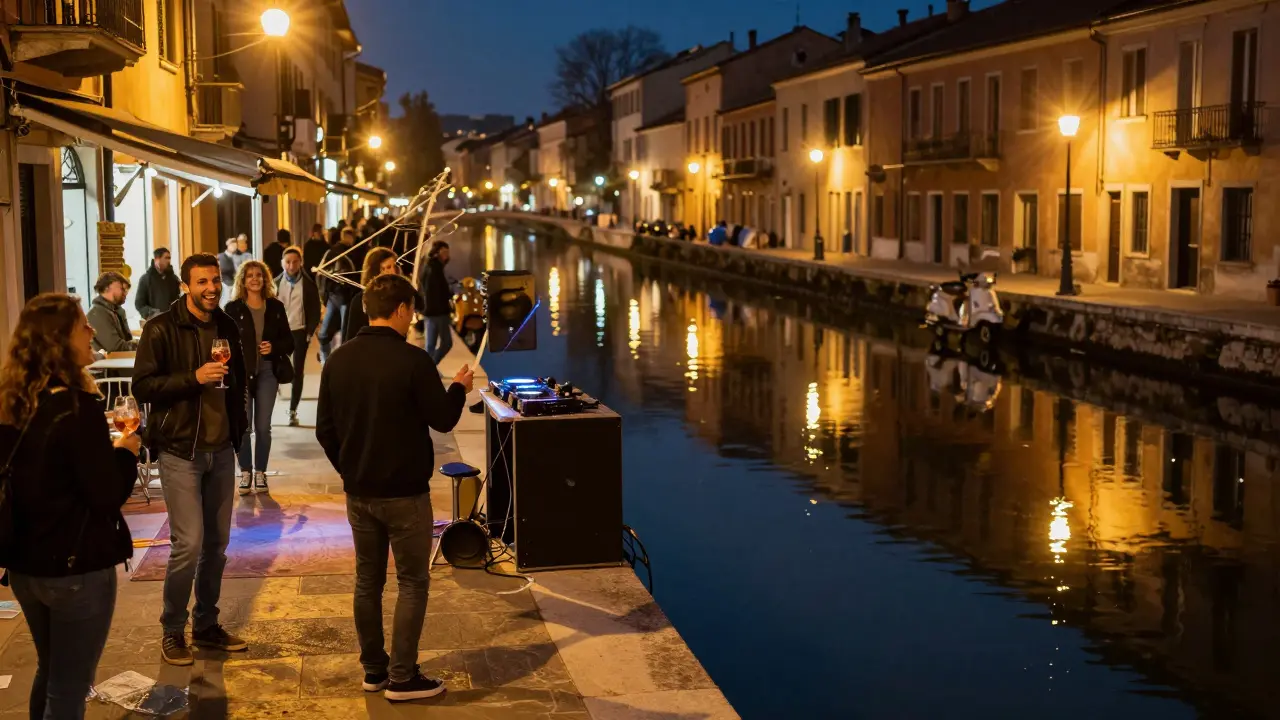
Navigli is Milan’s living heartbeat after midnight. This canal district isn’t just pretty at sunset. By 11 p.m., the sidewalks are packed with people holding Aperol spritzes, laughing over cheap pizza al taglio, and dancing on makeshift patios. The real magic? You don’t need a reservation. Just walk. The street is the club.
Start at La Baita, a no-frills beer bar with 15 local brews on tap and a backyard that turns into a dance floor when the DJ kicks in. Then wander down Via Tortona to Caffè del Naviglio, where the wine list is all Italian, the music is Italian indie rock, and the regulars know your name by the third round.
Don’t miss Sala Uno - a tiny, hidden venue tucked behind a laundry shop. It’s been around since 2008 and still hosts underground techno nights with no cover charge. The crowd? Mix of artists, students, and expats who’ve been coming for years. You’ll know you’re in the right place when the bass rattles your ribs and no one’s checking IDs.
Clubbing Like a Local: Beyond the Tourist Clubs
Most guidebooks will tell you to go to Lavazza Club or Bocconi. They’re fine. But they’re crowded, expensive, and not where the real scene lives.
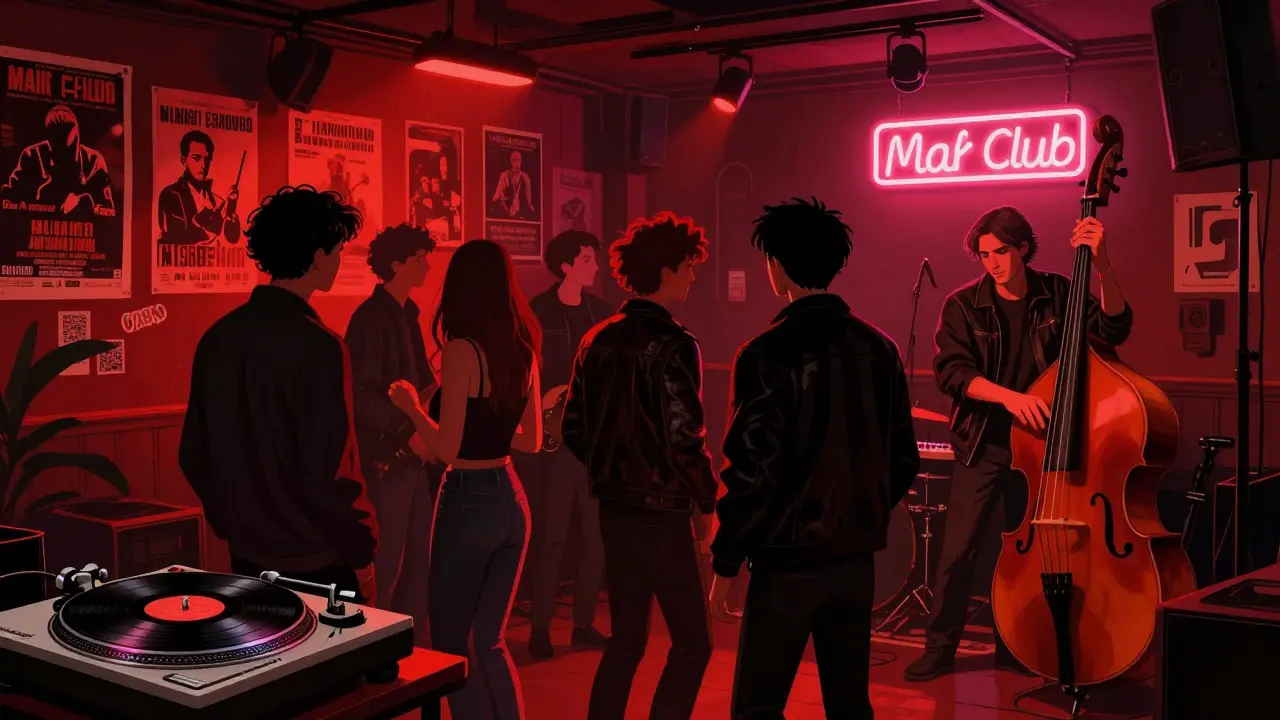
Instead, head to Mao Club in the Porta Venezia neighborhood. It’s not flashy. No velvet ropes. No bottle service. Just a 200-person space with two rooms: one for deep house, one for hip-hop and soul. The DJs here are handpicked - not booked by agencies. You’ll hear rare vinyl cuts from the 90s and live sets from Milanese producers you’ve never heard of. Entry is €10 after midnight. Cash only.
For something wilder, try La Borsa. This place used to be a stock exchange trading floor. Now it’s a 24-hour party space that opens at 10 p.m. and doesn’t close until 7 a.m. The walls are covered in graffiti. The ceiling drips with disco balls. The music shifts every hour - disco, techno, punk, reggaeton. No theme, no dress code. Just chaos. And it’s free on Wednesdays.
The Hidden Jazz and Speakeasy Scene
Not everyone wants to dance until dawn. Some just want to sit, sip, and listen. Milan has one of Europe’s best-kept secrets: its jazz and speakeasy bars.
Jazz Club Milano in Via Solferino is a 100-seat basement venue with a 1950s vibe. The musicians? All from the Milan Conservatory. The crowd? Mostly locals over 30. No phones allowed. No talking during sets. You’ll hear live piano trios playing Monk and Coltrane - not covers. Cover is €15, but it includes a complimentary glass of Barolo. Worth every euro.
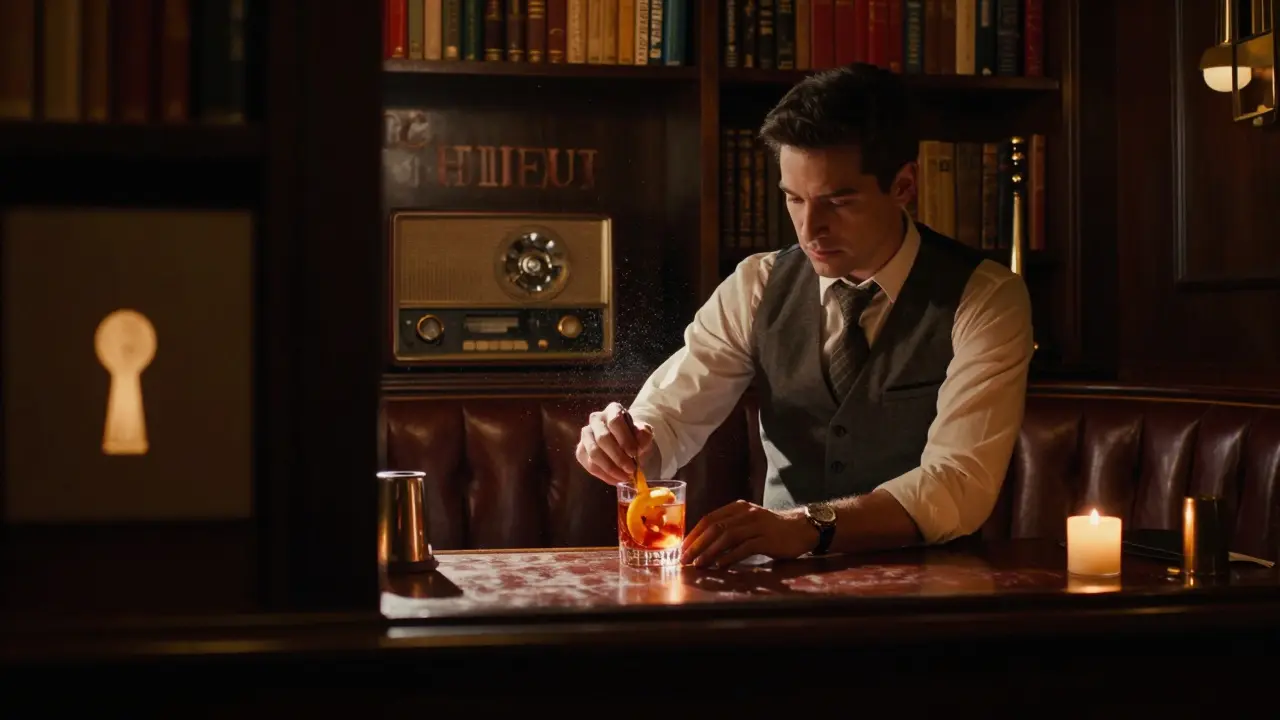
For a true speakeasy, find The Hideout. The entrance is behind a bookshelf in a quiet bookstore on Via dei Mille. You need to text a code to get in. Once inside, you’re in a 1920s-style lounge with leather booths, candlelight, and cocktails made with Italian herbs and aged bitters. Their Amaro Negroni - made with local amaro, gin, and a twist of orange from Sicily - is legendary. Reservations required. No walk-ins.
Where the Young Crowd Goes: Brera and Porta Nuova
Brera, Milan’s artsy quarter, is full of wine bars that turn into late-night hangouts. Cantina del Vino closes its doors at 1 a.m. - but the regulars just walk next door to Bar Pasticceria Della Pergola, which serves espresso martinis until 4 a.m. and has a secret rooftop with string lights and a view of the Brera Art Gallery.
Porta Nuova, the modern business district, has become the new hotspot for young professionals. Fumetto is a bar that looks like a comic book store by day and a cocktail lounge by night. Their Guinness & Grapefruit - yes, really - is a cult favorite. They also host monthly poetry slams and live beatboxing. No cover. No pressure. Just good vibes.
What to Avoid
There are plenty of places that look cool on Instagram but are overpriced and underwhelming. Skip Piazza Duomo bars after 10 p.m. - they’re packed with tourists paying €15 for a soda. Avoid La Perla and Circolo della Stampa if you want real music - they play Top 40 hits on loop and charge €30 for a drink.
Also, don’t expect to find American-style clubs with bottle service. Milan doesn’t do that. The culture here is about quality, not quantity. You’ll pay less, get better drinks, and have a real experience.
When to Go
Weekends are packed - especially Friday and Saturday. If you want to actually move, go on Thursday. Most clubs start playing serious music after 1 a.m. on Thursdays, and the crowd is thinner. Sunday nights are surprisingly lively too - especially in Navigli. People unwind with wine and live acoustic sets.
Summer (June-August) brings outdoor parties along the canals. Winter (November-February) is quieter, but the indoor spots get cozier. January is the best time to catch secret pop-up events - many venues host underground raves after Milan Fashion Week ends.
Pro Tips
- Always carry cash. Many places don’t take cards after midnight.
- Dress smart casual. No sneakers, no hoodies. Milanese nightlife has a quiet dress code - think dark jeans, a nice shirt, and boots.
- Learn a few Italian phrases. Saying “Un’altra birra, per favore” gets you better service than waving your credit card.
- Use the metro after 1 a.m. - it runs all night on weekends. Buses stop at 1 a.m.
- Don’t ask for “American-style” drinks. Ask for aperitivo - it’s the Milanese ritual of drinks + free snacks from 6-9 p.m.
What You’ll Pay
| Place Type | Drink Price | Entry Fee | Typical Crowd |
|---|---|---|---|
| Beer Bar (Navigli) | €5-€7 | €0 | Students, locals |
| Club (Mao, La Borsa) | €10-€12 | €10-€15 | 20s-30s, music lovers | Jazz Bar (Jazz Club Milano) | €12-€15 | €15 (includes wine) | 30+, jazz fans |
| Speakeasy (The Hideout) | €18-€22 | €0 (reservation) | Professionals, creatives |
| Tourist Bar (Duomo area) | €15-€20 | €0 | Visitors, influencers |
Final Thoughts
Milan’s nightlife isn’t about flashing lights or VIP sections. It’s about discovery. It’s about stumbling into a basement where a 68-year-old jazz pianist plays a Bill Evans tune like he wrote it yesterday. It’s about sharing a bottle of Lambrusco with strangers who become friends by 3 a.m. It’s about finding a bar with no sign, no website, and no Instagram - but the best gin cocktail in the city.
If you want to feel like a local, skip the guidebooks. Walk. Listen. Ask. And don’t be afraid to get lost. That’s how you find the real Milan.
What’s the best night to go out in Milan for a true party experience?
Thursday night is the secret weapon. Most clubs in Milan start playing deeper, more authentic music after midnight on Thursdays. The crowds are smaller, the energy is looser, and you’ll find locals who actually know the music. Friday and Saturday are packed, but often filled with tourists. If you want real nightlife, skip the weekend rush.
Is Milan nightlife safe at night?
Yes, absolutely. Milan is one of the safest major European cities after dark. The main areas like Navigli, Brera, and Porta Venezia are well-lit and patrolled. Avoid isolated side streets after 3 a.m., but stick to the main avenues and you’ll be fine. Most clubs have security, and the police are visible near metro stations. Just use common sense - don’t flash cash, keep your bag zipped, and don’t follow strangers into alleyways.
Do I need to make reservations for clubs in Milan?
For most clubs - no. Places like Mao Club, La Borsa, and La Baita don’t take reservations. They operate on a first-come, first-served basis. The only exceptions are speakeasies like The Hideout and upscale jazz bars like Jazz Club Milano. Those require booking ahead. If you’re going to a club on a Friday or Saturday, arrive before midnight to avoid long lines.
Can I find English-speaking staff in Milan nightlife spots?
In tourist-heavy areas, yes. But in the real spots - the hidden bars, jazz lounges, and underground clubs - most staff speak only Italian. That’s part of the charm. Don’t worry. Most bartenders will help you with gestures, a smile, or a quick Google Translate. Learning a few Italian phrases goes a long way. “Un bicchiere di vino rosso, grazie” gets you further than English.
What’s the dress code for Milan nightclubs?
Milan takes style seriously - even at clubs. No hoodies, no flip-flops, no sports jerseys. Men: dark jeans, button-down shirt or a clean tee, and leather boots. Women: dressy casual - think a black top with tailored pants or a simple dress. You don’t need to look like you’re going to a fashion show, but you do need to look like you care. Most clubs have bouncers who turn away people in sneakers or ripped jeans. It’s not about money - it’s about attitude.
Are there any 24-hour spots in Milan?
Yes - La Borsa is the only true 24-hour party space in Milan. It opens at 10 p.m. and doesn’t shut down until 7 a.m. It’s not a club - it’s an experience. Think of it as a warehouse rave that turns into a breakfast party. There’s a food truck outside serving panini at sunrise. You can nap on the couches if you’re tired. It’s chaotic, free, and unforgettable. No other place in Milan does this.