Unwind After Dark: The Most Relaxing Nightlife Spots in Istanbul
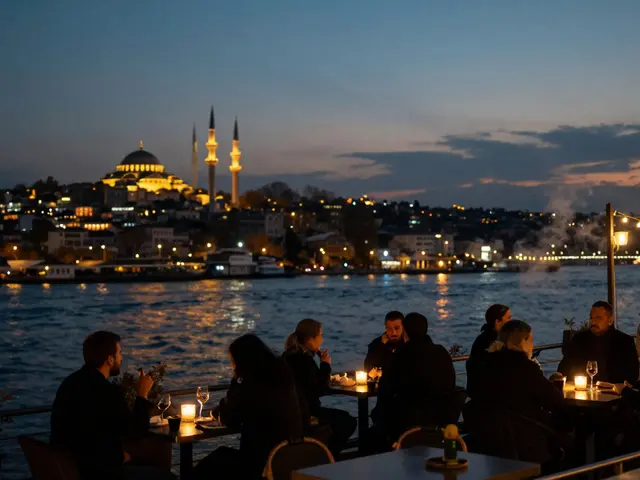
Most people think of Istanbul at night as a whirlwind of loud clubs, flashing lights, and crowded streets. But if you’ve ever sat on a rooftop after midnight, sipping tea as the Bosphorus glows under the moon, you know the city has another side. The real magic of Istanbul after dark isn’t in the bass-heavy beats-it’s in the quiet corners where conversation flows like wine, and the only rhythm is the lapping of water against the docks.
Çiçek Pasajı’s Hidden Courtyard
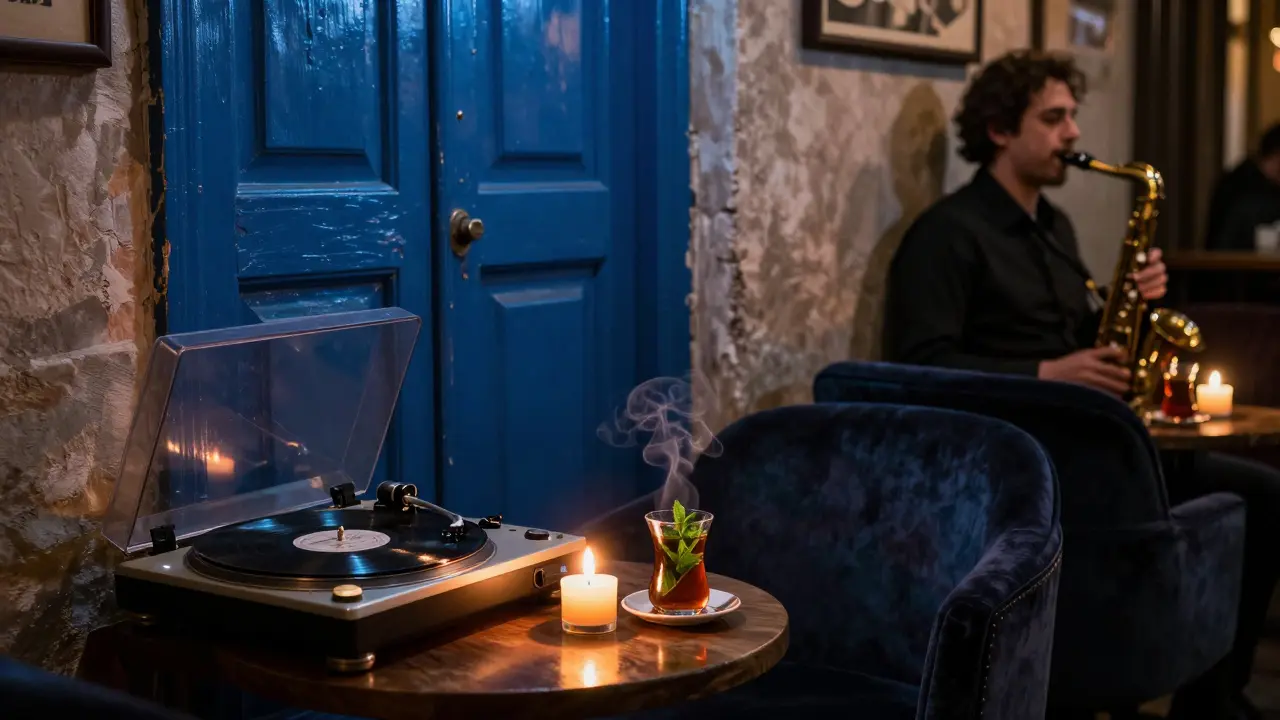
Çiçek Pasajı, the historic arcade near İstiklal Avenue, is often packed with tourists chasing cheap raki and loud music. But walk past the first few bars, past the ones with DJs spinning Turkish pop, and you’ll find a narrow staircase tucked behind a faded blue door. Downstairs is Asma Sıra, a tiny, candlelit lounge with no sign, no menu, and no pressure. The owner, a retired jazz musician, plays vinyl records from the 1960s-Bill Evans, Ella Fitzgerald, late-night Turkish jazz. The chairs are deep, the lighting low, and the drinks are served in thick glassware with a single ice cube. No one rushes you. No one even looks at your phone. You can sit here for two hours, just watching the steam rise from your mint tea, listening to the faint echo of a saxophone drifting through the walls.
Galata’s Rooftop Serenity
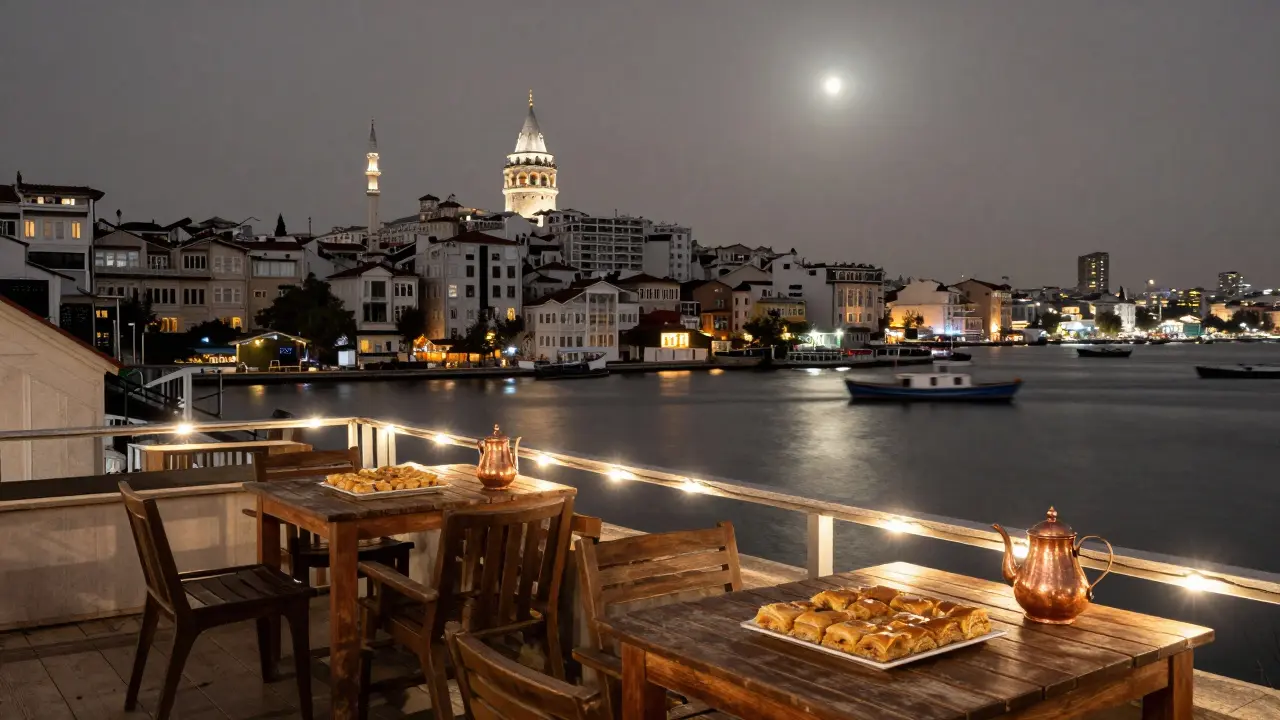
Galata Tower is packed at sunset. But if you head up to Karaköy Lokantası’s rooftop at 10:30 p.m., you’ll have the whole view to yourself. The terrace overlooks the Golden Horn, where fishing boats bob like old wooden toys. The music here is ambient-soft electronic loops, no vocals, just pulses that blend with the wind. They serve warm walnut baklava with clotted cream and black tea poured from a copper pot. The staff remembers your name after one visit. One regular told me he comes here every Friday, rain or shine, just to watch the lights on the minarets turn off one by one. It’s not a party. It’s a ritual.
Princes’ Islands’ Silent Night
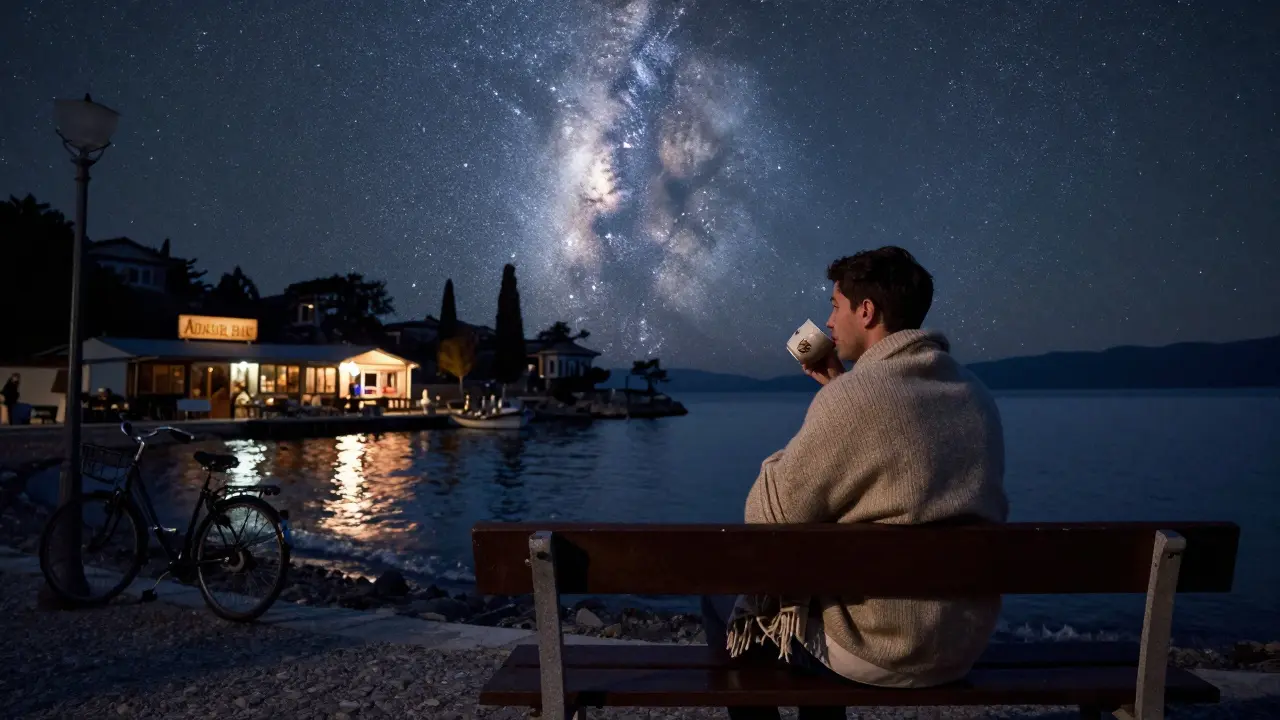
Take the last ferry from Kabataş to Büyükada at 11 p.m. The island shuts down early. Cars are banned, so the only sounds are footsteps on cobblestones and the occasional bicycle bell. At Adalar Bar, the owner, a former sailor, keeps the lights dim and the playlist on shuffle: Turkish folk songs, old French chansons, and the sound of waves hitting the shore. He doesn’t take cards. You pay with cash. He doesn’t speak much English. You don’t need to. You sit on the wooden bench outside, wrapped in a wool blanket, sipping mulled wine from a ceramic mug. The stars here are brighter than in any city center. You can see the Milky Way clearly. No one asks you to order another drink. You stay until your fingers go numb.
Beşiktaş’s Book Bar
On a quiet street behind Beşiktaş Stadium, Kitap Evi opened in 2023 as a response to the city’s noise. It’s not a bookstore. It’s not a bar. It’s both. The walls are lined with 8,000 books in Turkish, English, French, and Arabic. You pick one, sit in a leather armchair, and the bartender brings you a glass of homemade fig liqueur or a cup of cardamom coffee. There’s no Wi-Fi. No TVs. No loud music-just the occasional page turn and the soft clink of a spoon against ceramic. A local poet reads every Thursday at 9 p.m., but the audience never exceeds eight people. You come here to forget you’re in a city of 16 million. You come here to remember how to be still.
Uskudar’s Waterfront Hammam Bar
Across the Bosphorus, in the old district of Uskudar, Hamam Bar blends the calm of a traditional Turkish bath with the quiet of a late-night lounge. The space is all marble, low arches, and flickering lanterns. You sit on heated stone benches, wrapped in a soft cotton robe, drinking saffron-infused water or rosewater lemonade. The scent of lavender and eucalyptus lingers in the air. No alcohol is served-only herbal teas and honeyed nuts. The staff doesn’t rush. They don’t ask if you want another. They just refill your cup when it’s empty. At midnight, they turn off the overhead lights and leave only the glow from the floor lamps. You close your eyes. You hear the water drip. You hear your own breath. It’s the closest thing Istanbul has to silence.
Ortaköy’s Midnight Café
Ortaköy Square is busy until 1 a.m. But if you walk 50 meters down the side alley toward the mosque, you’ll find Yeni Çay Bahçesi. It’s a tiny garden café with string lights, wooden tables, and a single old man playing the ney-a traditional flute-on the corner. He plays for no one in particular. He plays because he loves it. The coffee here is slow-brewed in a cezve, served with a single sugar cube and a glass of cold water. The owner, a retired teacher, tells stories in broken English: how the square used to be a fishing dock, how the bridge was built, how his grandfather used to sell figs here. You don’t need to respond. He doesn’t expect you to. You just listen. And when he stops playing, the night feels heavier. In a good way.
Why These Places Work
These spots aren’t famous on Instagram. They don’t have neon signs or bottle service. They work because they respect time. In Istanbul, where life moves fast, these places ask you to slow down. They don’t sell drinks. They sell presence. You don’t leave here buzzed. You leave here centered. The kind of calm that doesn’t come from a pill or a meditation app. It comes from being in a city that knows how to breathe-even at midnight.
What to Bring
- A light jacket-even in summer, the breeze off the Bosphorus gets chilly after 11 p.m.
- Cash. Many of these places don’t take cards.
- Patience. No one rushes you. Don’t rush them.
- A book or a notebook. Some places encourage quiet reflection.
- Comfortable shoes. You’ll walk. You’ll wander. You’ll get lost.
When to Go
These spots are quietest between 10 p.m. and 1 a.m. Arrive before 10 p.m., and you’ll find the staff setting up. Arrive after 1 a.m., and you might find the doors closed. The sweet spot is right when the city’s energy shifts-from party to peace. That’s when the real Istanbul wakes up.
How to Find Them
Don’t search Google Maps for "quiet bars Istanbul." You won’t find them. Ask the concierge at your hotel if they’ve ever been to Asma Sıra. Ask a local bookseller if they know Kitap Evi. Ask the taxi driver who takes you to the ferry-ask him where he goes when he wants to be alone. They’ll know. And they’ll smile. Because they’ve been there too.
Are these spots safe for solo travelers at night?
Yes. These places are low-key, well-lit, and frequented by locals who value quiet. The neighborhoods they’re in-Galata, Beşiktaş, Uskudar-are residential and calm after dark. You’ll see more elderly couples and writers than partygoers. Just avoid wandering into unfamiliar side streets after 2 a.m., as you would in any city.
Do I need to make reservations?
Not usually. These places are small and don’t take bookings. But arriving between 9:30 and 10:30 p.m. guarantees you a seat. After 11 p.m., it’s first come, first served-and some spots fill up quickly, especially on weekends.
Can I find English speakers here?
Some staff speak basic English, but fluency isn’t the point. At Asma Sıra or Hamam Bar, communication happens through gestures, smiles, and shared silence. A simple "Teşekkür ederim" (thank you) goes a long way. You’ll understand more than you think.
Are these places expensive?
No. A glass of wine or tea costs between 80 and 150 Turkish lira ($2.50-$5). The value isn’t in the price-it’s in the atmosphere. You’re paying for time, not cocktails. Many places even let you stay as long as you like.
What’s the best season to visit these spots?
Spring (April-May) and autumn (September-October) are ideal. The weather is mild, the air is clear, and the nights aren’t too cold. Summer nights are warm but crowded. Winter can be beautiful-especially at Hamam Bar, where the steam rises into the frosty air-but some outdoor spots close early. Plan for shoulder seasons if you want the full experience.