Dubai's Nightlife: An Insider's Guide to the City's Best Party Spots
When the sun sets over Dubai, the city doesn’t sleep-it switches modes. The desert skyline transforms into a neon-lit playground where rooftop lounges hum with bass, underground clubs pulse with global beats, and beachside venues turn into open-air dance floors. This isn’t just a city that has nightlife. It’s a city that reinvents it every weekend.
Where the Elite Go After Dark
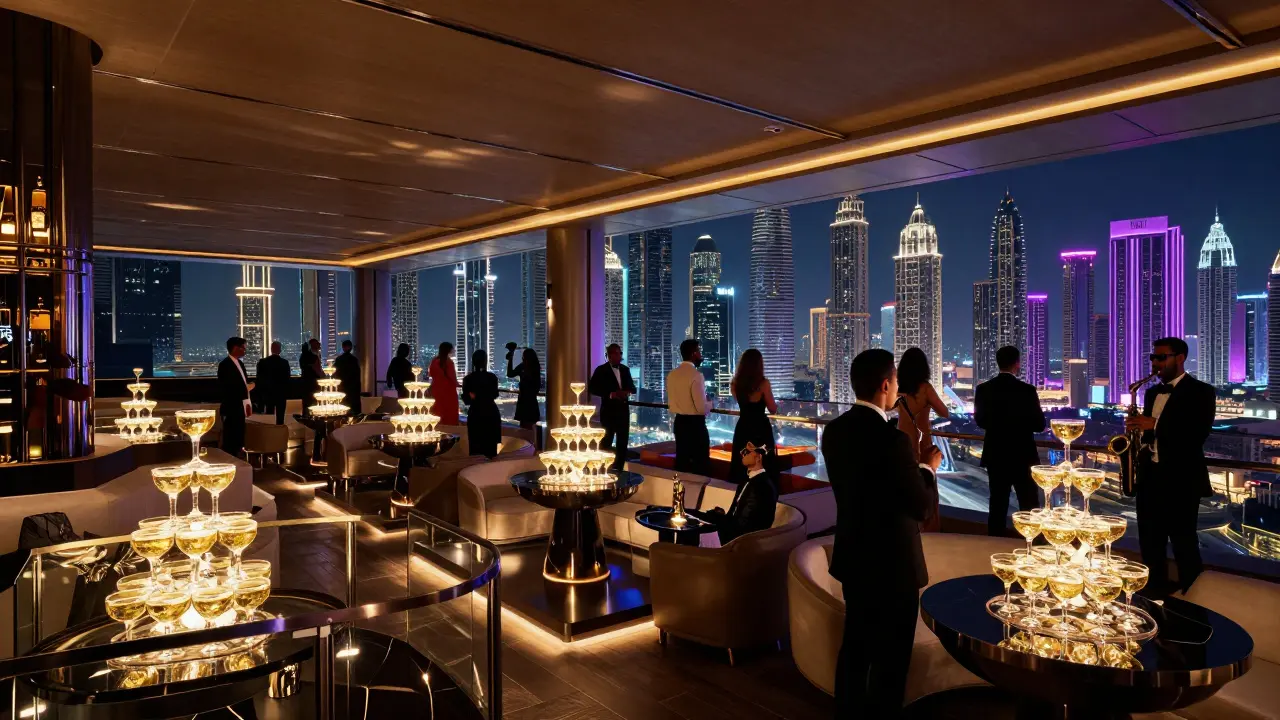
If you want to see what Dubai’s elite are really doing after midnight, head to White Dubai. Located on the 52nd floor of the Dubai Hills Mall, this isn’t your average nightclub. It’s a hybrid of high-end lounge, open-air terrace, and private club. The crowd? CEOs, influencers, and international DJs. The dress code? Sharp. No flip-flops, no tank tops. You’ll find champagne towers, live saxophone sets, and a view of the city that makes even the most jaded travelers pause. It’s not cheap-cover charges start at AED 300-but if you’re looking for a night that feels like a movie scene, this is it.
Just down the road, Sky View Bar at the Address Downtown offers something quieter but just as magnetic. Think low-slung leather sofas, whiskey flights, and a DJ spinning jazz-infused house music. It’s the place where business meetings end and real conversations begin. No strobe lights. No shouting. Just velvet tones, city lights, and a glass of aged bourbon that costs more than your hotel room.
The Underground Scene You Won’t Find on Google Maps
Dubai’s real magic isn’t in the big names. It’s in the hidden spots. Tucked behind an unmarked door in Al Quoz, 303 Club is where locals go to escape the glitter. No signage. No website. You need a password from someone who’s been there. Inside, it’s industrial-chic: exposed pipes, concrete floors, and a sound system that shakes your ribs. The music? Deep techno, experimental bass, and rare vinyl sets from DJs who fly in from Berlin and Tokyo. You won’t find a cocktail menu. Just a bartender who asks, “What vibe are you feeling tonight?” and disappears into the back.
Another secret? Al Jazira in Jumeirah. It’s a speakeasy-style bar disguised as a traditional Emirati tea house. Walk in, order a mint tea, and the server will slip you a QR code under the table. Scan it, and you’ll unlock a hidden staircase leading down to a dimly lit lounge with velvet curtains, vintage arcade games, and cocktails named after Emirati poets. It’s the kind of place you’ll tell your friends about… but only if you trust them.

Beach Clubs That Feel Like a Private Island
Dubai’s coastline turns into a party zone after dark. Za’atar on Jumeirah Beach is where the vibe shifts from luxury to laid-back. Think hammocks strung between palm trees, DJs spinning Arabic house remixes, and a menu of shisha flavors that include rose, mango, and even oud. The crowd? Young Emiratis, expat creatives, and travelers who came for the Burj Khalifa and stayed for the moonlight.
Then there’s Beachcomber at Jumeirah Beach Hotel. It’s not flashy, but it’s real. Locals bring their own coolers. The music is a mix of reggae, hip-hop, and old-school Arabic pop. You’ll see families with kids playing near the water, couples dancing barefoot in the sand, and groups of friends sharing shawarma from a food truck at 2 a.m. It’s not Instagram-perfect. But it’s the kind of night you remember.
What You Need to Know Before You Go
Dubai’s nightlife has rules. Not because it’s restrictive-but because it’s carefully curated. Here’s what actually matters:
- You must be 21 to enter any club or bar. ID is checked. Always.
- Public intoxication is illegal. You can drink, but you can’t stagger out of a club into the street drunk. Security will escort you back inside.
- Dress modestly. No tank tops, shorts above the knee, or see-through clothing in most venues-even the wildest clubs have a code.
- Payment is cash or card. No haggling. No credit for drinks. Most places don’t even accept Apple Pay.
- Reservations are non-negotiable for rooftop spots. Book at least 3 days ahead. Walk-ins are rare.
And here’s a tip most travel blogs won’t tell you: Don’t go to Dubai for the party scene alone. The best nights happen when you mix it up. Have dinner at a hidden Lebanese spot in Alserkal Avenue. Take a quiet stroll along the Dubai Creek at 11 p.m. Then head to a club. The contrast makes the party feel richer.

The Real Secret? It’s Not About the Music
Dubai’s nightlife doesn’t thrive because of the DJs or the cocktails. It thrives because of the people. You’ll find Russians sipping mojitos next to Nigerians dancing to Afrobeats. Emirati teens in designer hijabs laughing over bubble tea at 1 a.m. A British expat who moved here in 2018 and now runs a bar in Al Barsha.
The city doesn’t just host parties. It builds connections. You’ll leave not because you danced until sunrise, but because you met someone who showed you a side of Dubai you didn’t know existed.
Is Dubai’s nightlife safe for solo travelers?
Yes, but with awareness. Dubai has one of the lowest crime rates in the world, and nightlife areas are well-monitored. Solo travelers-especially women-often feel safer here than in other major cities. Stick to reputable venues, avoid isolated streets after midnight, and always use licensed taxis. Most clubs have security teams trained to assist guests, not just enforce rules.
Can I go clubbing in Dubai during Ramadan?
Yes, but with adjustments. During Ramadan, most clubs and bars close by 10 p.m. or 11 p.m., and alcohol service stops at sunset. Some venues, like Sky View and White Dubai, operate with reduced hours and no alcohol. Others, like 303 Club and Beachcomber, stay open with non-alcoholic drinks and music. The vibe shifts from party to cultural experience-many locals use this time to host intimate gatherings. Don’t expect the usual energy, but you’ll get a deeper look into how the city balances tradition with modern life.
What’s the average cost of a night out in Dubai?
It depends on where you go. At a rooftop lounge like White Dubai, expect to spend at least AED 800-1,200 for entry, two drinks, and a snack. At a beach club like Za’atar, you can get in for AED 150 and spend AED 300-500 on drinks and food. Underground spots like 303 Club often have no cover charge but require a minimum spend of AED 200-400. Budget travelers can find free-entry lounges with happy hours-just ask locals. The key? Set a limit before you go. Dubai makes it easy to overspend.
Are there any clubs that play Arabic music?
Absolutely. While EDM and house dominate the big venues, places like Al Jazira and Al Maha Lounge in Al Wasl specialize in Arabic fusion-think modern beats layered with oud and daf rhythms. There’s also Arabian Nights at the Dubai Mall, which hosts weekly live performances by Emirati artists. The music isn’t just for tourists-it’s how locals reconnect with their culture after dark.
What’s the best time to visit Dubai for nightlife?
October to March is peak season. The weather is cool, events like Dubai Shopping Festival and Dubai World Cup bring crowds, and international DJs schedule their tours. If you want fewer people and lower prices, aim for late September or early April. Avoid December and January if you hate crowds-they’re packed with holiday visitors. But honestly? Dubai’s nightlife is good year-round. Even in summer, the indoor venues stay cool and lively.
Final Thought: It’s Not Just a Night Out
Dubai’s nightlife doesn’t ask you to forget who you are. It invites you to explore new sides of yourself. You might start the night sipping whiskey in a penthouse, end it dancing barefoot on sand, and wake up wondering how you went from one to the other in a single night. That’s the magic. Not the lights. Not the music. It’s the unexpected moments you didn’t plan for.