The Best Nightlife in Milan: From Trendy Bars to Iconic Clubs
When the sun sets in Milan, the city doesn’t sleep-it transforms. Forget what you think you know about Italian nightlife. Milan isn’t just about fashion shows and espresso bars. By midnight, its backstreets buzz with basslines, cocktail shakers clink like metronomes, and the energy shifts from chic aperitivo to full-throttle clubbing. This isn’t a city that parties hard-it parties smart. And if you want to experience it right, you need to know where to go.
Where Milan’s Nightlife Really Starts: The Aperitivo Ritual
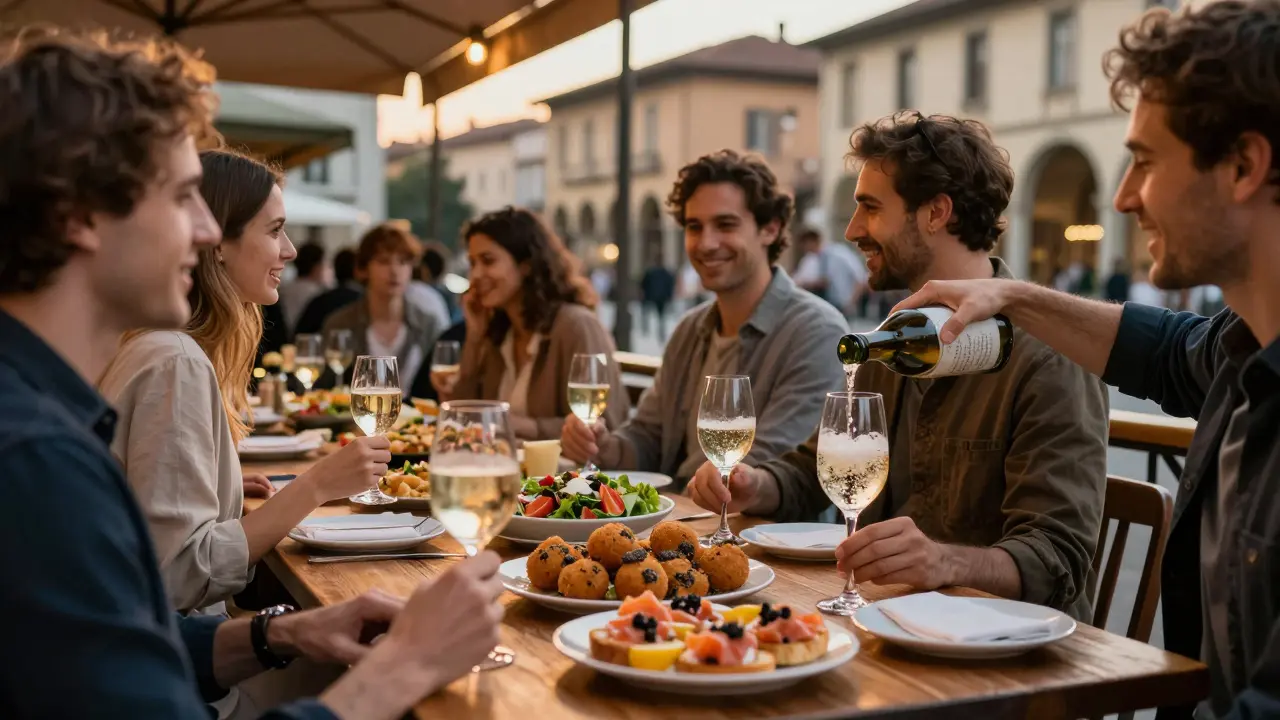
Before the clubs open, Milan’s night begins with aperitivo. It’s not just a drink. It’s a ritual. Between 7 and 9 p.m., locals flood bars in Brera, Navigli, and Porta Ticinese. You pay €10-€15, and you get a cocktail or glass of prosecco plus a buffet of snacks that could pass for dinner. Think truffle arancini, smoked salmon crostini, stuffed olives, and fresh seasonal salads.
Bar Basso in the city center is legendary-not just for its Negroni, but because it’s where the cocktail was invented. The staff don’t ask if you want it stirred or shaken. They just make it. Perfect. At Caffè del Teatro in Brera, the crowd is younger, the music is jazz, and the aperitivo spread is more artisanal. You’ll see designers, artists, and students all mingling like they’ve known each other for years.
This isn’t tourist theater. It’s how Milanese live. Skip the overpriced hotel bars. Head to local spots. You’ll taste the city better here than in any Michelin-starred restaurant.
Trendy Bars That Define Milan’s Vibe
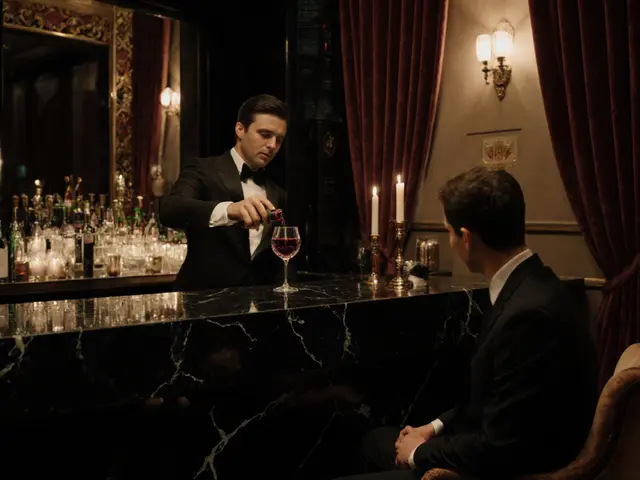
After aperitivo, the city splits into two paths: those who want quiet conversation and those who want to dance until dawn. For the former, head to Bar Basso again if you missed it, or try Loch Bar in the Porta Venezia district. It’s hidden behind an unmarked door, lit by candlelight, and serves cocktails made with house-infused spirits. Their “Milanese Old Fashioned” uses local grappa and bitter orange peel. It’s smooth, complex, and unforgettable.
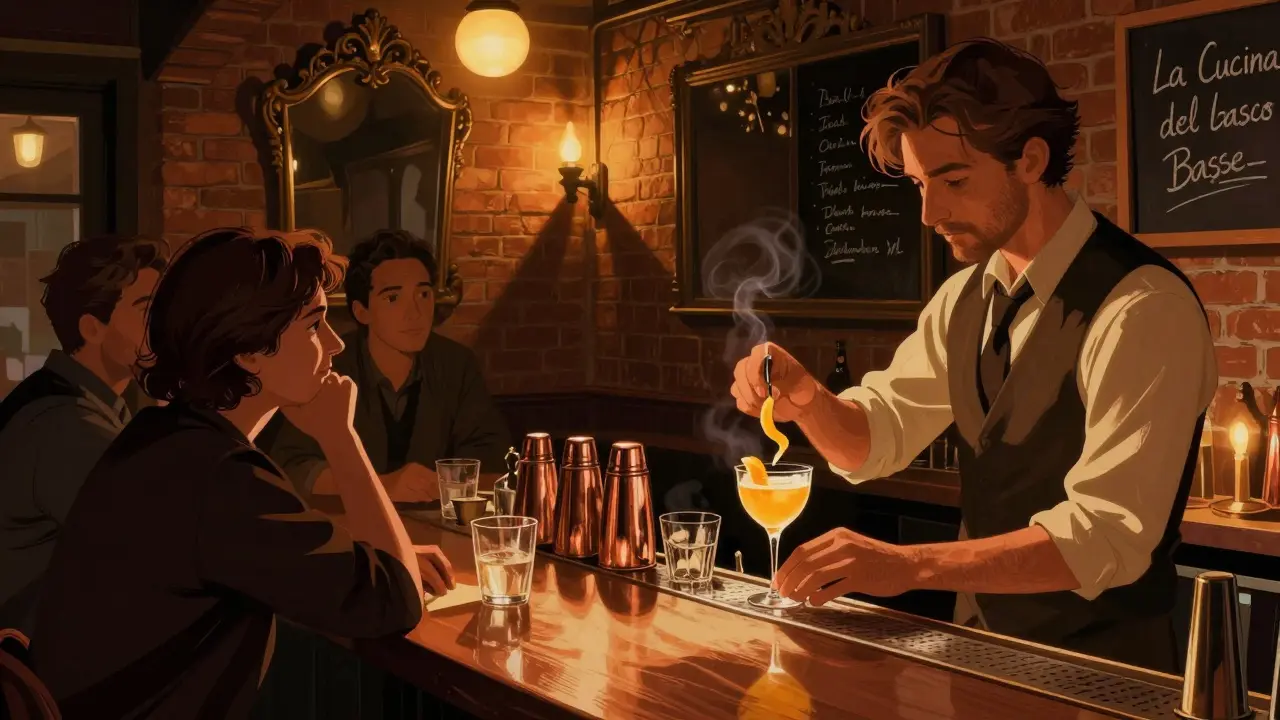
For something more modern, Bar Basso has a younger sibling: La Cucina del Basso. It’s a speakeasy-style bar inside a former kitchen, with a menu that changes weekly based on what the chef finds at the market. No printed menus. Just a waiter who tells you what’s good that night. You’ll leave knowing more about Italian ingredients than you did when you walked in.
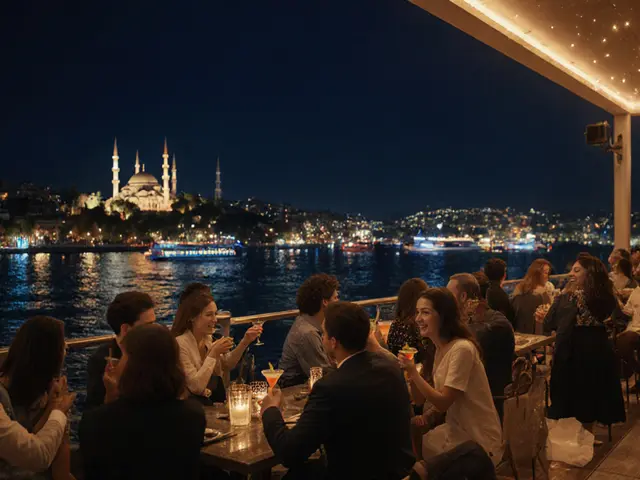
And then there’s Il Gatto Nero in Navigli. It’s a rooftop bar with a view of the canal, twinkling lights, and a playlist that blends Italian indie with deep house. It’s not loud. It’s not crowded. But it’s where everyone who matters in Milan’s creative scene ends up after work. Bring a friend. Sit by the edge. Watch the boats drift by. This is Milan’s soul.
The Iconic Clubs: Where the Music Never Stops
When the bars close, the clubs open. And Milan’s club scene isn’t just big-it’s influential. The city has been a European electronic music hub since the 1990s. And the best spots still feel like underground secrets, even if they’re packed.
Cluny is the granddaddy. Open since 1982, it’s in a converted industrial building near the Duomo. The sound system is custom-built. The DJs are international-names like Charlotte de Witte, Jeff Mills, and Marco Carola have all played here. The crowd? Mix of locals, fashion insiders, and music nerds from Berlin and London. The dress code? No jeans. No sneakers. You don’t need to wear a suit, but you do need to look like you care.
La Scala Club is the opposite. It’s smaller, quieter, and tucked under a train bridge. It doesn’t advertise. You find it by word of mouth. The music here is experimental-techno with live visuals, ambient sets, and sound art installations. It’s not for everyone. But if you’ve ever wanted to hear a track that doesn’t exist on Spotify, this is where you’ll find it.
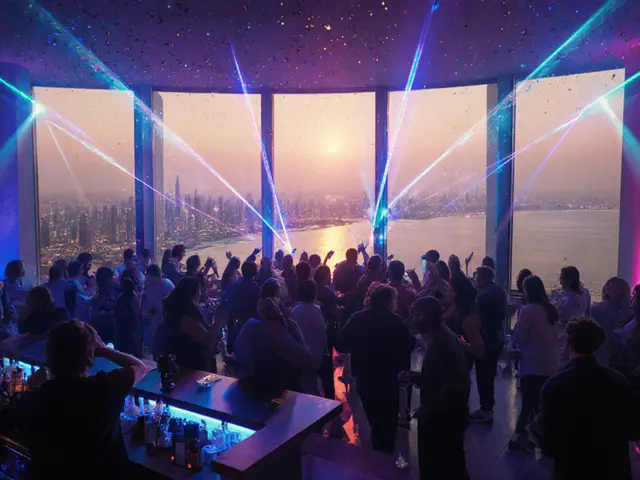
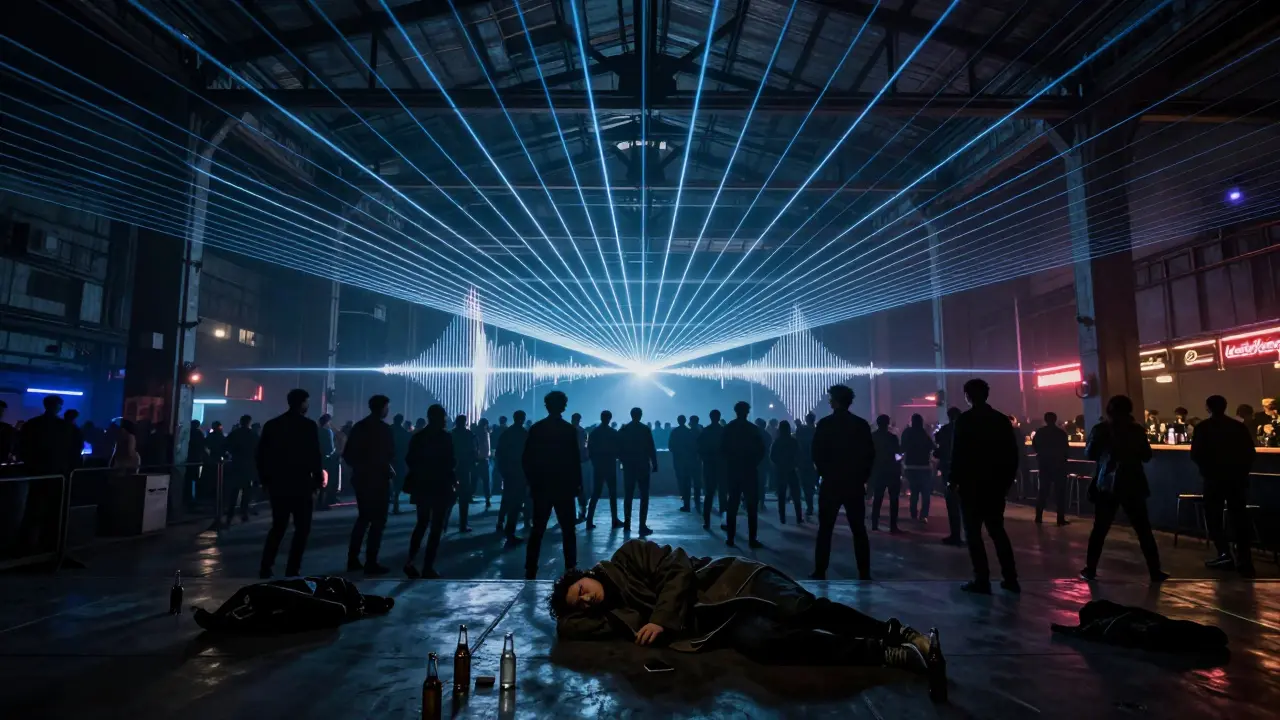
And then there’s Magazzini Generali. This isn’t a club-it’s a cultural space. Formerly a warehouse, it now hosts concerts, art exhibits, and all-night dance parties. The main room has a 20-foot ceiling, a laser grid that moves with the beat, and a sound system so powerful you feel it in your ribs. It’s open from Friday night until Monday morning. People sleep on the floor. Some never leave. It’s not just a party. It’s a movement.
What Makes Milan’s Nightlife Different
Other cities have clubs. Milan has rituals.
In Berlin, you go out to lose yourself. In Ibiza, you go to escape. In Milan, you go to be seen-but not in the way you think. It’s not about showing off your outfit or your Instagram. It’s about showing up with intention. You dress well because you respect the space. You arrive on time because punctuality is part of the culture. You don’t shout over music-you lean in and listen.
There’s a reason why Milan’s nightlife survived the pandemic when others collapsed. It wasn’t just the money. It was the community. The same people who run the bars also curate the music, design the lighting, and hand-pick the cocktails. They’re not employees. They’re artists.
And the best part? You don’t need to be rich. You just need to be curious.
When to Go and How to Navigate
Weekends are packed. If you want space, go on a Thursday or Friday. The real locals don’t start until after midnight. Clubs don’t fill up until 1 a.m. and peak at 3 a.m. The last trains leave around 2:30 a.m., so plan your ride. Uber is expensive. The metro runs late on weekends, but only on Line 1 and Line 2. Know your stops.
Most clubs don’t take walk-ins after 1 a.m. You need to RSVP. Not because they’re exclusive-because they’re small. A quick email or Instagram DM to the venue is enough. Some even let you sign up on their website. No bouncers checking your ID at the door? That’s normal. Milanese clubs trust you to be respectful. You don’t need to be famous. You just need to be polite.
And skip the tourist traps. Avoid the “Milan Night Tour” buses. They drop you off at the same three overpriced clubs with fake DJs. The real scene isn’t on Google Maps. It’s whispered between friends.
Final Tip: The Unwritten Rule
There’s one thing no guidebook will tell you: Don’t rush. Milan’s nightlife isn’t a checklist. It’s a rhythm. Start slow. Sip your aperitivo. Talk to strangers. Let the music find you. The best night doesn’t start when the club opens. It starts when you stop trying to have the best night.
What’s the best time to start a night out in Milan?
Start around 8 p.m. with aperitivo. Most bars open at 7, but the real crowd shows up after 8. Clubs don’t get busy until after midnight, so take your time. The best nights stretch from sunset to sunrise.
Do I need to dress up for Milan clubs?
Yes-sort of. No sneakers or ripped jeans. Think smart casual: tailored pants, a nice shirt, a coat if it’s cold. You don’t need a suit, but you should look like you put effort in. Milanese people notice. And they respect it.
Are Milan clubs expensive?
Entry is usually €10-€20, sometimes free before midnight. Drinks cost €12-€18. Aperitivo is €10-€15 and includes food. Compared to London or Paris, it’s fair. You’re paying for quality, not just a name.
Can I go to Milan clubs alone?
Absolutely. Milan’s nightlife is welcoming to solo visitors. Many people go alone, especially to smaller clubs like La Scala Club or Il Gatto Nero. You’ll meet people easily-Milanese are curious and friendly when you show up with respect.
Is there a dress code for aperitivo spots?
No strict dress code, but avoid sportswear. Milanese dress well even when they’re just having a drink. Think linen shirts, nice jeans, or a simple dress. You don’t need to look like you’re at a runway show-just polished.
What’s the safest way to get home after midnight?
The metro runs until 2:30 a.m. on weekends on Lines 1 and 2. After that, use Uber or a taxi. Avoid walking alone in poorly lit areas after 3 a.m. Stick to main streets like Corso Como or Via Tortona. Most clubs can call you a cab if you ask.
Don’t just visit Milan’s nightlife. Live it. One night. One bar. One song. That’s all you need to remember.